Life Style
Skin Tag Removal at Home: What Works and What to Avoid

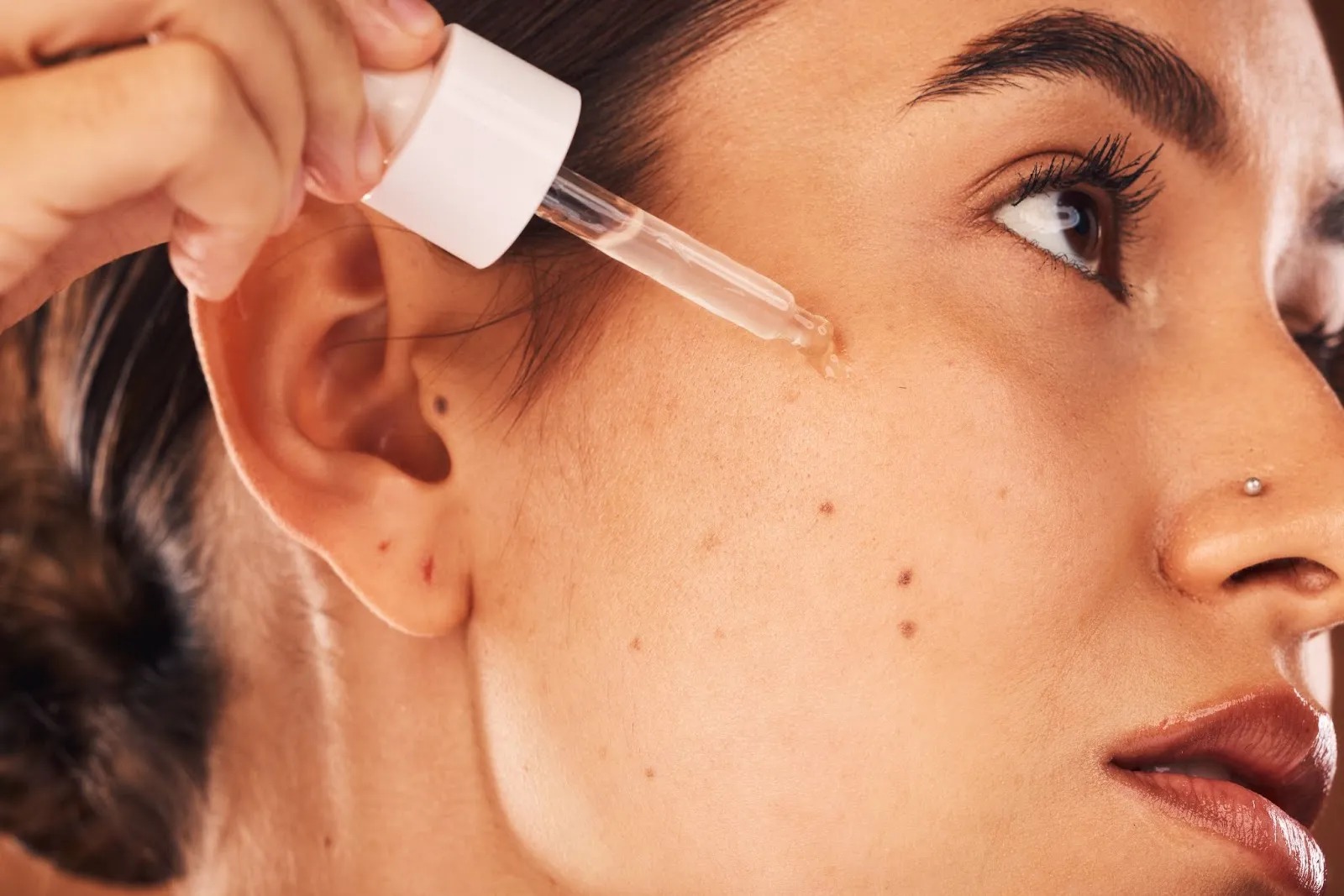
Have you ever noticed those small, fleshy bumps dangling from your neck, underarms, or eyelids? They’re called skin tags, and they’re incredibly common, affecting up to 60% of adults at some point. These benign growths, medically known as acrochordons, are usually harmless but can be annoying when they catch on clothing or jewelry. Many people turn to at-home methods for removal, drawn by the convenience and cost savings. But with so much conflicting advice online, it’s easy to wonder what’s truly effective and safe.
In this guide, we’ll explore proven strategies backed by dermatologists, highlight potential pitfalls, and share actionable tips to help you decide the best approach. Whether you’re dealing with a single tag or several, understanding the dos and don’ts can prevent irritation or complications. Let’s dive in and empower you to make informed choices for smoother, tag-free skin.
Effective Home Remedies
For small skin tags, over-the-counter freezing kits can be a viable option when used correctly. These kits mimic professional cryotherapy by applying a cold solution to freeze the tag, causing it to dry up and fall off within 7-10 days. Look for FDA-approved products and follow instructions meticulously—apply only to the tag, not surrounding skin, to prevent burns. A 2025 review highlights their success rate of about 70% for tiny tags under 3mm, but larger ones may require multiple applications.
Another approach involves home removal of skin tags, bands or patches, which work by cutting off blood supply. Tie a sterile band tightly around the base, and the tag should wither and detach in a week. This method is low-risk for pedunculated tags with a narrow stalk, but sterilize tools and monitor for signs of infection like redness or pus. Pairing it with natural oils can enhance comfort during the process.
Methods to Avoid at Home
Steer clear of apple cider vinegar (ACV) applications, a popular DIY hack that’s more harmful than helpful. Soaking a cotton ball in ACV and taping it to the tag may seem straightforward, but its acidity often causes chemical burns, scarring, or ulceration. Dermatologists warn that without scientific backing, this method risks permanent damage, especially on sensitive areas like the face or genitals. Recent 2025 warnings from health authorities underscore infections from improper use, affecting thousands annually.
Tea tree oil is another to avoid undiluted, despite its natural appeal. While it has antiseptic properties, applying it directly can irritate skin, leading to dermatitis or allergic reactions. Studies show no reliable evidence for tag removal, and overuse might exacerbate issues rather than resolve them. Similarly, banana peels or vitamin E lack proven efficacy and could introduce bacteria if not handled hygienically.
Natural Products for Safe Removal
Turning to essential oils? Diluted frankincense or lavender oil blends show promise in anecdotal reports for drying out tags gently. Mix a few drops with a carrier like coconut oil and apply twice daily; they may flake off over weeks. A 2024 study suggests their anti-inflammatory properties aid in reducing size without harsh chemicals, but always patch-test to avoid sensitivity.
For a formulated option, Amoils Natural Oils offer a blend of thuja occidentalis and calendula, designed to flake tags away painlessly. Users report success on various skin types, with no scarring when used as directed—apply drops via cotton swab thrice daily. This 100% natural product aligns with trends toward holistic skincare, updated in 2025 formulations for faster absorption.
When to Seek Professional Help
If home methods fail or tags are large, it’s time for expert intervention. Dermatologists use excision, snipping the tag with sterile tools under local anesthesia for quick, scar-minimal results. Cryotherapy freezes them off in seconds, with 2025 advancements in precision tools reducing side effects like blistering to under 5%.
Laser removal is gaining popularity for its non-invasive nature, targeting tags without cutting. It’s especially useful for facial areas, promoting faster healing. Insurance may cover if tags cause medical issues like bleeding, but cosmetic removal is often out-of-pocket—averaging $100-300 per session.
Prevention Tips
Preventing skin tags starts with managing friction—wear loose clothing and keep skin folds dry to reduce irritation. Maintaining a healthy weight is crucial, as obesity links to higher incidence; a 2025 study ties weight loss to 40% fewer new tags in at-risk groups.
Incorporate skincare routines with gentle exfoliation and moisturizing to minimize buildup. Avoid harsh scrubs that could inflame areas. For those with diabetes, stable blood sugar levels help, per recent endocrine research.


Do Watch Colors Match Seasons?

Choosing the Right Cavitation Machine: What Every Clinic Owner Should Know Before Buying

How to Spot a More Trustworthy Phone Tarot Service
Beware, the cult that victimized teenagers has brought its performances to Japan

How Does the FRM Exam Help Build a Career in Risk Analytics?

What Happens When You Stop Taking Ozempic For Weight Loss?

Generative Furniture Modeling Review 2026: Automating Prototyping Workflows
Why Healthcare Press Releases Need Regulatory Awareness
How to Turn Your Bahrain Registration Into a Competitive Advantage

Company License in Saudi Arabia: Matching Activity for UK Firms
Do Watch Colors Match Seasons?
Choosing the Right Cavitation Machine: What Every Clinic Owner Should Know Before Buying
How to Spot a More Trustworthy Phone Tarot Service
Beware, the cult that victimized teenagers has brought its performances to Japan
How Does the FRM Exam Help Build a Career in Risk Analytics?
What Happens When You Stop Taking Ozempic For Weight Loss?
Generative Furniture Modeling Review 2026: Automating Prototyping Workflows
Why Healthcare Press Releases Need Regulatory Awareness
How to Turn Your Bahrain Registration Into a Competitive Advantage
Company License in Saudi Arabia: Matching Activity for UK Firms

The Private World of Marina Pearl LeBlanc, Matt LeBlanc’s Only Child

What is Shoujo Ramune? The Comprehensive Guide

Who is Christina Erika Carandini Lee? Everything About Christopher Lee’s Daughter

Who is Amra Nor Jenkins? The Untold Story About Jeezy’s Daughter

The Untold Truth of William Mapel: A Deep Dive into His Personal Life

The Untold Story of Denika Kisty: Her Family, Net Worth, and More

The Rise of Ryan Nikolaos Sampras: From Humble Beginnings to Stardom

Who is Nicoletta Ruhl? Age, Family, Bio

William Givens Jensen Today: What We Know About Robin Givens’ Son

Who Is Stephanie Sarkisian? All You Need To Know AboutSteve Sarkisian’s Ex-Wife
-
 Celebrity1 year ago
The Private World of Marina Pearl LeBlanc, Matt LeBlanc’s Only Child
-
 Entertainment2 years ago
What is Shoujo Ramune? The Comprehensive Guide
-
 Celebrity2 years ago
Who is Christina Erika Carandini Lee? Everything About Christopher Lee’s Daughter
-
 Life Style2 years ago
Who is Amra Nor Jenkins? The Untold Story About Jeezy’s Daughter
-
 Celebrity2 years ago
The Untold Truth of William Mapel: A Deep Dive into His Personal Life
-
 Celebrity2 years ago
The Untold Story of Denika Kisty: Her Family, Net Worth, and More
-
 Celebrity2 years ago
The Rise of Ryan Nikolaos Sampras: From Humble Beginnings to Stardom
-
 Life Style2 years ago
Who is Nicoletta Ruhl? Age, Family, Bio