Blog
Construction Waste Management: What Every Project Needs to Consider

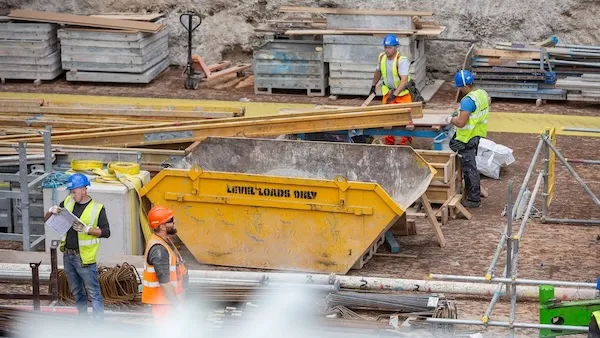
Construction waste management is often discussed as a compliance or housekeeping issue, but in practice it is an operational system that influences nearly every aspect of a project. From site layout and labor efficiency to scheduling and cost control, how waste is handled affects how work actually gets done. For contractors, understanding what every project needs to consider when planning waste management helps reduce friction and keep jobs moving predictably from start to finish.
Effective waste management is not about reacting to debris once it becomes a problem. It is about anticipating how waste will be generated, moved, and removed throughout the project lifecycle.
Waste Generation Is Not Uniform
One of the first considerations in construction waste management is recognizing that waste does not appear at a steady rate. Different phases of a project generate different types and volumes of debris. Site prep and demolition create dense, bulky materials, while framing and interior work introduce packaging, offcuts, and surplus materials. Final phases tend to produce lighter cleanup waste.
Planning waste management as if output will be consistent often leads to mismatches between capacity and need. Contractors benefit from aligning disposal strategies with the most waste-intensive phases rather than average conditions. This approach reduces overflow during peak periods and avoids paying for unused capacity later in the project.
Container Strategy and Capacity Planning
Selecting the right disposal method and container size is a foundational decision. Containers that are too small fill quickly and require emergency service, while oversized containers can take up valuable space or create access issues.
Capacity planning should account for both volume and material type. Heavy materials such as concrete, masonry, plaster, or roofing can reach weight limits before containers appear full. Understanding what materials will be removed and when helps contractors choose container options that support smooth operations rather than introduce complications.
Adjusting container strategy as the project progresses is often more effective than relying on a single static solution.
Placement Affects Workflow More Than Expected
Dumpster and container placement is often treated as a minor logistical detail, yet it has daily consequences for productivity. Long carry distances increase labor time and fatigue. Poor placement can block access routes, interfere with deliveries, or create congestion around active work zones.
Thoughtful placement considers how crews move through the site, where waste is generated most heavily, and how access needs will change over time. When placement supports natural workflow, waste disposal becomes part of the process rather than a recurring interruption.
Planning placement early also reduces the likelihood of having to move containers mid-project, which often causes downtime and coordination challenges.
Labor Efficiency and Cleanup Practices
Construction waste management directly affects how labor is used. When disposal is inconvenient or inconsistent, skilled workers are often pulled into cleanup tasks that fall outside their primary responsibilities. Over time, these small diversions add up.
Projects run more efficiently when waste can be disposed of incrementally as work progresses. Accessible disposal encourages continuous cleanup rather than large, disruptive efforts at the end of a phase or day. This keeps work areas usable and allows crews to focus on productive tasks.
Clear expectations around daily cleanup, supported by reliable disposal options, help maintain site order without constant supervision.
Scheduling and Trade Coordination
Waste management is closely tied to scheduling, especially on projects with multiple trades working in sequence. Debris left behind by one phase can delay the next if removal is not aligned with the schedule.
Contractors should plan waste removal around project milestones rather than fixed intervals. Clearing debris promptly at the end of a phase supports smoother handoffs and reduces downtime between trades. This coordination is particularly important on compressed schedules where delays are difficult to recover.
Including waste removal in scheduling discussions helps prevent it from becoming an afterthought that disrupts progress later.
Site Safety and Access Considerations
Accumulated debris affects more than appearance. It can block exits, restrict access to equipment, and create trip hazards that slow work or trigger corrective action. On confined sites, even small amounts of clutter can have outsized impacts.
Consistent waste removal supports clearer paths and better visibility, contributing to safer working conditions. While safety planning often focuses on equipment and procedures, housekeeping supported by effective waste management is a key part of maintaining a functional site.
Budget Control and Predictability
Waste removal costs are typically modest compared to total project budgets, but poor planning can introduce indirect expenses. Emergency hauls, extended rental periods, or labor downtime all affect profitability.
Including waste management in early budgeting improves cost visibility and reduces surprises. Contractors who account for phase-specific waste needs are better positioned to maintain predictable margins and communicate clearly with clients about project costs.
Flexibility for Changing Conditions
Even the best plans must adapt. Scope changes, unexpected conditions, or weather delays can alter waste output and timing. Rigid waste management arrangements often struggle to keep up with these changes.
Planning for flexibility allows contractors to adjust service levels without disrupting the broader project. This adaptability is most effective when it is anticipated upfront rather than negotiated midstream.
Responsibility and Communication
Waste management problems frequently stem from unclear responsibility. On many projects, it is not explicitly defined who monitors fill levels, schedules service, or adjusts plans when conditions change.
Establishing clear responsibility ensures accountability and prevents missed pickups or overflow. Clear communication between contractors, subcontractors, and service providers helps waste management remain predictable rather than reactive.
Working with Experienced Providers
Effective construction waste management is easier when working with providers that understand construction workflows and project-based service. Familiarity with different debris profiles, scheduling pressures, and site constraints helps align disposal solutions with real-world conditions.
Many contractors rely on experienced providers such as Waste Removal USA, whose approach supports a wide range of construction projects and evolving waste needs. Local knowledge and project experience contribute to smoother coordination and fewer disruptions.
Viewing Waste Management as a System
Perhaps the most important consideration is perspective. Waste management should be viewed as an operational system rather than a series of isolated decisions. Container selection, placement, service timing, and cleanup practices all interact with one another.
When these elements are planned together, waste removal supports productivity instead of competing with it. When they are addressed piecemeal, waste becomes a recurring source of friction.
Construction waste management touches every phase of a project, from the first day of demolition to final cleanup. For contractors, considering how waste will be generated, handled, and removed is as important as planning labor, materials, and schedules.
By aligning waste management with project phases, workflow, and site conditions, contractors can reduce delays, improve labor efficiency, and maintain cleaner, safer jobsites. When waste management is treated as a core planning element rather than an afterthought, projects are better positioned to run smoothly, predictably, and profitably from start to finish.


Do Watch Colors Match Seasons?

Choosing the Right Cavitation Machine: What Every Clinic Owner Should Know Before Buying

How to Spot a More Trustworthy Phone Tarot Service
Beware, the cult that victimized teenagers has brought its performances to Japan

How Does the FRM Exam Help Build a Career in Risk Analytics?

What Happens When You Stop Taking Ozempic For Weight Loss?

Generative Furniture Modeling Review 2026: Automating Prototyping Workflows
Why Healthcare Press Releases Need Regulatory Awareness
How to Turn Your Bahrain Registration Into a Competitive Advantage

Company License in Saudi Arabia: Matching Activity for UK Firms
Do Watch Colors Match Seasons?
Choosing the Right Cavitation Machine: What Every Clinic Owner Should Know Before Buying
How to Spot a More Trustworthy Phone Tarot Service
Beware, the cult that victimized teenagers has brought its performances to Japan
How Does the FRM Exam Help Build a Career in Risk Analytics?
What Happens When You Stop Taking Ozempic For Weight Loss?
Generative Furniture Modeling Review 2026: Automating Prototyping Workflows
Why Healthcare Press Releases Need Regulatory Awareness
How to Turn Your Bahrain Registration Into a Competitive Advantage
Company License in Saudi Arabia: Matching Activity for UK Firms

The Private World of Marina Pearl LeBlanc, Matt LeBlanc’s Only Child

What is Shoujo Ramune? The Comprehensive Guide

Who is Christina Erika Carandini Lee? Everything About Christopher Lee’s Daughter

Who is Amra Nor Jenkins? The Untold Story About Jeezy’s Daughter

The Untold Truth of William Mapel: A Deep Dive into His Personal Life

The Untold Story of Denika Kisty: Her Family, Net Worth, and More

The Rise of Ryan Nikolaos Sampras: From Humble Beginnings to Stardom

Who is Nicoletta Ruhl? Age, Family, Bio

William Givens Jensen Today: What We Know About Robin Givens’ Son

Who Is Stephanie Sarkisian? All You Need To Know AboutSteve Sarkisian’s Ex-Wife
-
 Celebrity1 year ago
The Private World of Marina Pearl LeBlanc, Matt LeBlanc’s Only Child
-
 Entertainment2 years ago
What is Shoujo Ramune? The Comprehensive Guide
-
 Celebrity2 years ago
Who is Christina Erika Carandini Lee? Everything About Christopher Lee’s Daughter
-
 Life Style2 years ago
Who is Amra Nor Jenkins? The Untold Story About Jeezy’s Daughter
-
 Celebrity2 years ago
The Untold Truth of William Mapel: A Deep Dive into His Personal Life
-
 Celebrity2 years ago
The Untold Story of Denika Kisty: Her Family, Net Worth, and More
-
 Celebrity2 years ago
The Rise of Ryan Nikolaos Sampras: From Humble Beginnings to Stardom
-
 Life Style2 years ago
Who is Nicoletta Ruhl? Age, Family, Bio