Business
Dumpster Rentals for Interior Cleanup Projects

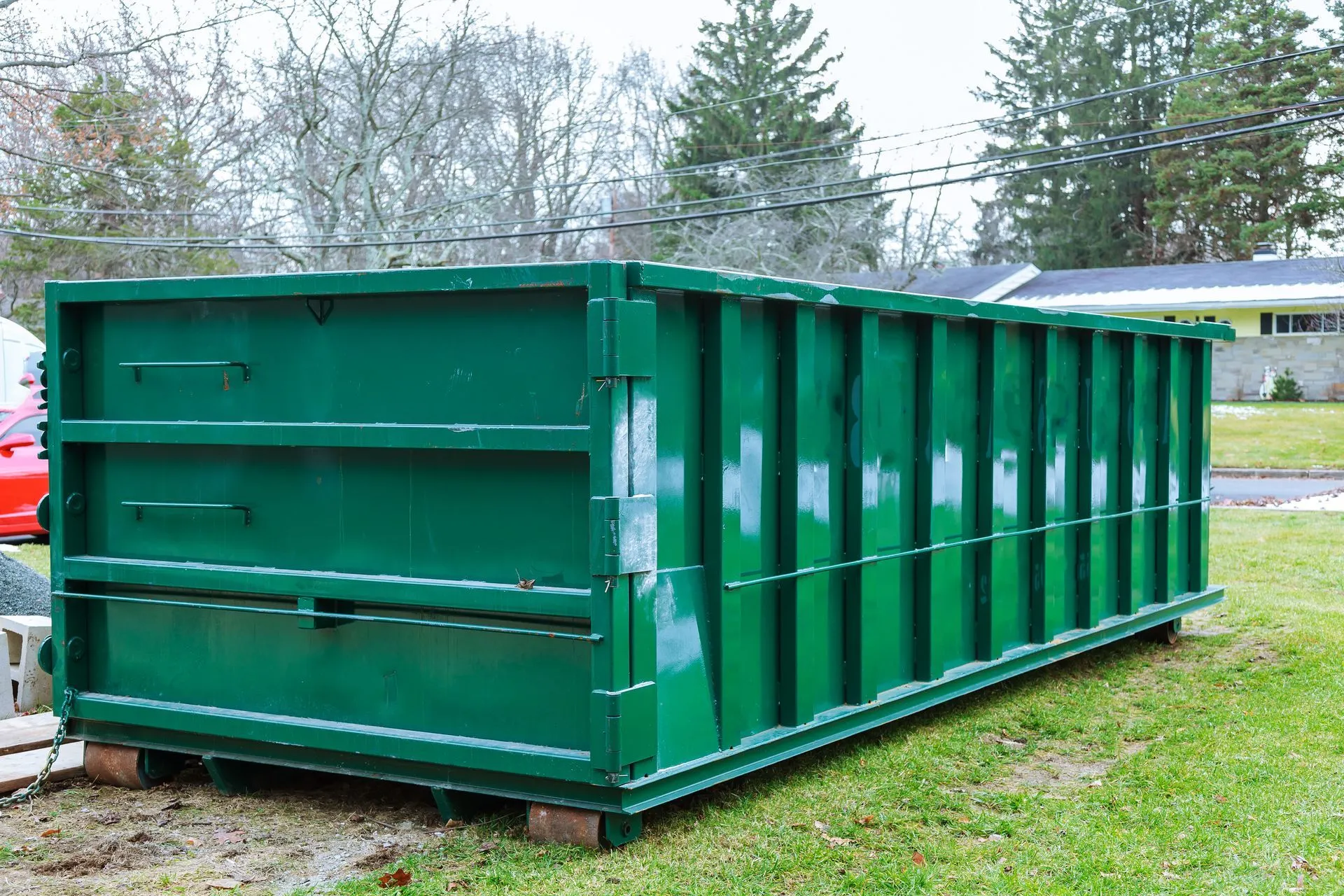
Interior cleanup projects are a regular part of home improvement and renovation work, particularly for contractors handling remodels, repairs, or selective demolition. While these projects may not involve exterior tear-offs or heavy equipment, they can still generate significant amounts of debris in a confined space. Dumpster rentals are commonly used to keep interior cleanup work organized and prevent waste from disrupting progress.
This article outlines how dumpster rentals typically support interior cleanup projects and what contractors consider when planning disposal.
The Nature of Interior Cleanup Debris
Interior projects often involve removing drywall, flooring, cabinetry, trim, fixtures, and built-in components. These materials are bulky, awkward to handle, and produced quickly once demolition begins. Packaging from new materials adds to the waste stream as installation progresses.
Because interior work takes place within enclosed spaces, debris buildup can quickly restrict movement, block access points, and slow coordination between trades.
Why Dumpsters Are Used for Interior Work
Dumpster rentals provide centralized disposal outside the structure, allowing crews to move debris out of the work area as it is generated. This reduces clutter inside the home and helps maintain clear pathways for workers, tools, and materials.
For contractors, having a designated disposal point streamlines cleanup and minimizes time spent staging waste or rearranging debris piles between tasks.
Coordinating Dumpster Placement with Interior Access
Placement planning is especially important for interior projects. Dumpsters are typically positioned close to entry points used for debris removal, such as doors, garages, or walkout basements. Shorter carrying distances reduce labor time and fatigue while helping crews maintain momentum.
Contractors also consider surface protection, access for delivery trucks, and proximity to neighboring properties when selecting placement locations.
Timing Delivery Around Demolition Phases
Interior cleanup is often most intense during early demolition phases. Dumpsters are usually delivered shortly before tear-out begins to ensure disposal capacity is available from the start. As work transitions into installation and finishing, waste volume decreases, and the container can be removed or swapped if needed.
Aligning dumpster use with these phases helps prevent unnecessary on-site clutter while still supporting peak debris output.
Managing Weight and Mixed Materials
Interior debris can vary widely in weight. Flooring materials, tile, plaster, and old fixtures can add density quickly, even if a container does not appear full. Contractors typically monitor loading practices to distribute weight evenly and avoid reaching limits prematurely.
Clear guidance for crews on what materials belong together helps prevent pickup delays or mid-project interruptions.
Coordination with Service Providers
Interior cleanup projects still require reliable scheduling and communication with waste service providers. Contractors may adjust pickup timing if demolition finishes early or if debris volume exceeds initial estimates.
In practice, contractors often work with providers such as Temporary Dumpster alongside local haulers. For interior projects, flexibility and responsiveness tend to matter more than long-term service arrangements.
Supporting Clean and Efficient Workspaces
A clean interior workspace improves safety and efficiency. Removing debris promptly reduces trip hazards, protects finished surfaces, and allows multiple trades to work without interference. For occupied homes, organized cleanup also minimizes disruption for homeowners during renovation work.
Consistent waste handling supports a more professional jobsite environment from start to finish.
Dumpster rentals play a practical role in interior cleanup projects by keeping debris contained and workflows organized. When planned around demolition timing, access points, and material types, they help contractors maintain control over confined work environments.
For interior renovations and cleanups, effective waste removal supports smoother execution, safer conditions, and more predictable project outcomes, allowing contractors to focus on delivering quality results rather than managing accumulating debris.


Healing the Whole Person: The Ultimate Guide to Dual Diagnosis Treatment at LIV Recovery Center

Do Watch Colors Match Seasons?

Choosing the Right Cavitation Machine: What Every Clinic Owner Should Know Before Buying

How to Spot a More Trustworthy Phone Tarot Service
Beware, the cult that victimized teenagers has brought its performances to Japan

How Does the FRM Exam Help Build a Career in Risk Analytics?

What Happens When You Stop Taking Ozempic For Weight Loss?

Generative Furniture Modeling Review 2026: Automating Prototyping Workflows
Why Healthcare Press Releases Need Regulatory Awareness
How to Turn Your Bahrain Registration Into a Competitive Advantage
Healing the Whole Person: The Ultimate Guide to Dual Diagnosis Treatment at LIV Recovery Center
Do Watch Colors Match Seasons?
Choosing the Right Cavitation Machine: What Every Clinic Owner Should Know Before Buying
How to Spot a More Trustworthy Phone Tarot Service
Beware, the cult that victimized teenagers has brought its performances to Japan
How Does the FRM Exam Help Build a Career in Risk Analytics?
What Happens When You Stop Taking Ozempic For Weight Loss?
Generative Furniture Modeling Review 2026: Automating Prototyping Workflows
Why Healthcare Press Releases Need Regulatory Awareness
How to Turn Your Bahrain Registration Into a Competitive Advantage

The Private World of Marina Pearl LeBlanc, Matt LeBlanc’s Only Child

What is Shoujo Ramune? The Comprehensive Guide

Who is Christina Erika Carandini Lee? Everything About Christopher Lee’s Daughter

Who is Amra Nor Jenkins? The Untold Story About Jeezy’s Daughter

The Untold Truth of William Mapel: A Deep Dive into His Personal Life

Who is Nicoletta Ruhl? Age, Family, Bio

The Rise of Ryan Nikolaos Sampras: From Humble Beginnings to Stardom

The Untold Story of Denika Kisty: Her Family, Net Worth, and More

William Givens Jensen Today: What We Know About Robin Givens’ Son

Meet Dominique Boxley: Anthony Fantano’s Mysterious and Supportive Partner
-
 Celebrity1 year ago
The Private World of Marina Pearl LeBlanc, Matt LeBlanc’s Only Child
-
 Entertainment2 years ago
What is Shoujo Ramune? The Comprehensive Guide
-
 Celebrity2 years ago
Who is Christina Erika Carandini Lee? Everything About Christopher Lee’s Daughter
-
 Life Style2 years ago
Who is Amra Nor Jenkins? The Untold Story About Jeezy’s Daughter
-
 Celebrity2 years ago
The Untold Truth of William Mapel: A Deep Dive into His Personal Life
-
 Life Style2 years ago
Who is Nicoletta Ruhl? Age, Family, Bio
-
 Celebrity2 years ago
The Rise of Ryan Nikolaos Sampras: From Humble Beginnings to Stardom
-
 Celebrity2 years ago
The Untold Story of Denika Kisty: Her Family, Net Worth, and More