Health
Checklist To Follow Before Getting Braces From A General Dentist

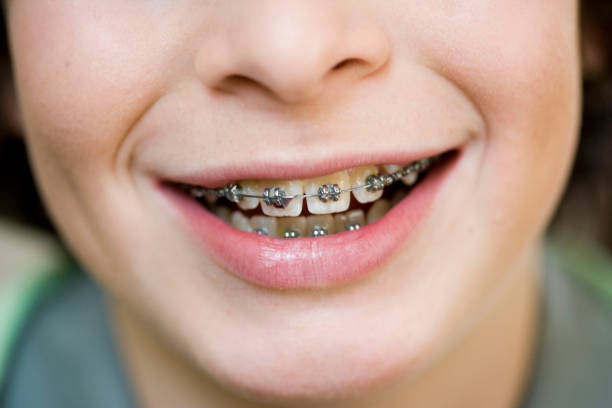
Getting braces is not simply about straightening your teeth; it is an investment in your oral health over the long term. However, there are crucial factors to keep in mind before rushing to the dentist’s chair to ensure your orthodontic treatment is healthy, safe, and prosperous.
Many people think braces are a simple procedure, but inadequate preparation can lead to complications, unnecessary pain, or even longer treatment time.
This article breaks down a checklist you can use in practice before obtaining braces with a general dentist. By the end, you will be well informed about what to search for, what questions to ask, and how to ensure the investment is paying off with a healthy, confident smile.
1. Verify Your Dentist’s Qualifications
Before getting braces, the first thing you should check is whether your dentist is qualified to do orthodontic treatment. Although general dentists may treat minor cases of braces, most complex cases may require specialized training.
That said, if you live around places like the Belleville area and are considering braces, then you’re in luck. Most dentists in Belleville undergo extensive training before entering practice. So, you’ll easily find a well-trained dentist in Belleville, NJ, who can handle many of these cases.
However, you should still ask questions such as “Have you taken orthodontic courses?” and “How many patients have you treated with braces?”
The reason credentials matter is that braces are not simply cosmetic; they influence your bite, jaw structure, and oral health. Choosing dentists who are properly trained will reduce risks such as misalignment, prolonged treatment, and tooth damage.
2. Understand Your Treatment Options
Not all braces are the same. Traditional metal braces, ceramic braces, and invisible aligners all have advantages and disadvantages. A general dentist may advise you on the type that fits; however, the general ones are:
- Metal Braces: Strong and work well in most situations, but they are more conspicuous.
- Ceramic Braces: Blend with your teeth for a discreet look, though slightly fragile.
- Invisible Aligners: Removable and aesthetic, they are only suitable for minor adjustments and must be strictly adhered to.
Being informed about your treatment options will help you make better decisions and avoid surprises during treatment.
3. Book an Entire Dental Check-up
Before braces are applied, your dentist must examine you about the general state of the mouth. This involves X-rays, bite analysis, and a check-up for any underlying issues such as cavities, periodontal disease, or tooth misalignment.
Skipping this step is risky. For example, braces can exacerbate existing, untreated tooth decay or periodontal disease. The overall evaluation will ensure that your teeth are suitable for braces, and your treatment plan is customized.
4. Discuss the Treatment Plan and Timeline
Every patient’s journey is different. Inquire with your dentist for details on your treatment plan, expected duration, adjustment frequency, and follow-up care.
Knowing the schedule is vital in establishing achievable expectations. You will be informed of the duration of your braces, the timing of follow-ups, and the length of time you will wear retainers after removing your braces.
Complete transparency in this case eliminates the element of surprise and makes the braces experience stress-free.
5. Consider Costs and Payment Options
Braces are an investment, and their cost may vary based on the materials used, the complexity of the treatment, and the treatment duration. Request that all possible charges be broken down before committing.
Ask whether the dental cover provides partial coverage of the treatment. Most dentists also offer payment plans to make the process more affordable. Awareness of the cost will prevent you from being caught in unexpected difficulties midway through treatment.

6. Evaluate Comfort and Lifestyle Considerations
Braces are not only a dental procedure; they also influence your life. Discuss how your chosen brace type might affect your eating and oral care regimen, and how it may cause discomfort.
For example, metal braces require additional attention to brushing and flossing. Some foods, such as hard or sticky foods, should be avoided. This knowledge will prepare you, both psychologically and practically, to live with braces.
7. Get to Know Emergency Procedures
Braces occasionally break or cause pain. Ask the dentist to take some emergency measures. Questions to ask:
- What do you think I should do in case a wire breaks?
- How soon can I have a pressing appointment?
- Can I do some momentary repairing at home?
Being prepared to address emergencies will ensure small issues do not escalate and keep your treatment on schedule.
8. Ask About Success Rates and Patient Reviews
Patients’ prior experiences provide a strong indicator of a dentist’s knowledge. Research reviews or ask for “before and after“ photos. Look for patterns in satisfaction, treatment effectiveness, and subsequent care.
Realistic expectations are key. Although braces can significantly improve your smile, every patient’s experience is unique. Honest reviews help you understand potential challenges and set achievable goals.

9. Plan for Long-Term Oral Health
Braces are not only a short-term change; they also have long-term effects on oral health. Inquire about retainers, bite maintenance, and follow-up visits. Even after removing your braces, you need to maintain good oral hygiene to keep your teeth straight and healthy.
Again, it is important to remember that braces are a long-term investment. Now is the time to plan and commit to oral hygiene practices, and it will save time, pain, and money in the future.
Your Braces Journey Starts With Preparation
Getting braces can be a positive experience if you follow an excellent checklist. The first thing to keep in mind is preparation; verify qualifications and understand the different choices before going ahead.
Think of it this way: the more you plan your pre-braces, the better and more certain your smile transformation will be. When you follow this checklist, you are not simply purchasing braces, but you are on your way to being healthy, beautiful, and having a permanent smile that builds confidence daily.


Healing the Whole Person: The Ultimate Guide to Dual Diagnosis Treatment at LIV Recovery Center

Do Watch Colors Match Seasons?

Choosing the Right Cavitation Machine: What Every Clinic Owner Should Know Before Buying

How to Spot a More Trustworthy Phone Tarot Service
Beware, the cult that victimized teenagers has brought its performances to Japan

How Does the FRM Exam Help Build a Career in Risk Analytics?

What Happens When You Stop Taking Ozempic For Weight Loss?

Generative Furniture Modeling Review 2026: Automating Prototyping Workflows
Why Healthcare Press Releases Need Regulatory Awareness
How to Turn Your Bahrain Registration Into a Competitive Advantage
Healing the Whole Person: The Ultimate Guide to Dual Diagnosis Treatment at LIV Recovery Center
Do Watch Colors Match Seasons?
Choosing the Right Cavitation Machine: What Every Clinic Owner Should Know Before Buying
How to Spot a More Trustworthy Phone Tarot Service
Beware, the cult that victimized teenagers has brought its performances to Japan
How Does the FRM Exam Help Build a Career in Risk Analytics?
What Happens When You Stop Taking Ozempic For Weight Loss?
Generative Furniture Modeling Review 2026: Automating Prototyping Workflows
Why Healthcare Press Releases Need Regulatory Awareness
How to Turn Your Bahrain Registration Into a Competitive Advantage

The Private World of Marina Pearl LeBlanc, Matt LeBlanc’s Only Child

What is Shoujo Ramune? The Comprehensive Guide

Who is Christina Erika Carandini Lee? Everything About Christopher Lee’s Daughter

Who is Amra Nor Jenkins? The Untold Story About Jeezy’s Daughter

The Untold Truth of William Mapel: A Deep Dive into His Personal Life

Who is Nicoletta Ruhl? Age, Family, Bio

The Untold Story of Denika Kisty: Her Family, Net Worth, and More

The Rise of Ryan Nikolaos Sampras: From Humble Beginnings to Stardom

William Givens Jensen Today: What We Know About Robin Givens’ Son

Meet Dominique Boxley: Anthony Fantano’s Mysterious and Supportive Partner
-
 Celebrity1 year ago
The Private World of Marina Pearl LeBlanc, Matt LeBlanc’s Only Child
-
 Entertainment2 years ago
What is Shoujo Ramune? The Comprehensive Guide
-
 Celebrity2 years ago
Who is Christina Erika Carandini Lee? Everything About Christopher Lee’s Daughter
-
 Life Style2 years ago
Who is Amra Nor Jenkins? The Untold Story About Jeezy’s Daughter
-
 Celebrity2 years ago
The Untold Truth of William Mapel: A Deep Dive into His Personal Life
-
 Life Style2 years ago
Who is Nicoletta Ruhl? Age, Family, Bio
-
 Celebrity2 years ago
The Untold Story of Denika Kisty: Her Family, Net Worth, and More
-
 Celebrity2 years ago
The Rise of Ryan Nikolaos Sampras: From Humble Beginnings to Stardom