Business
The Rise of Women in Coffee Farming Worldwide

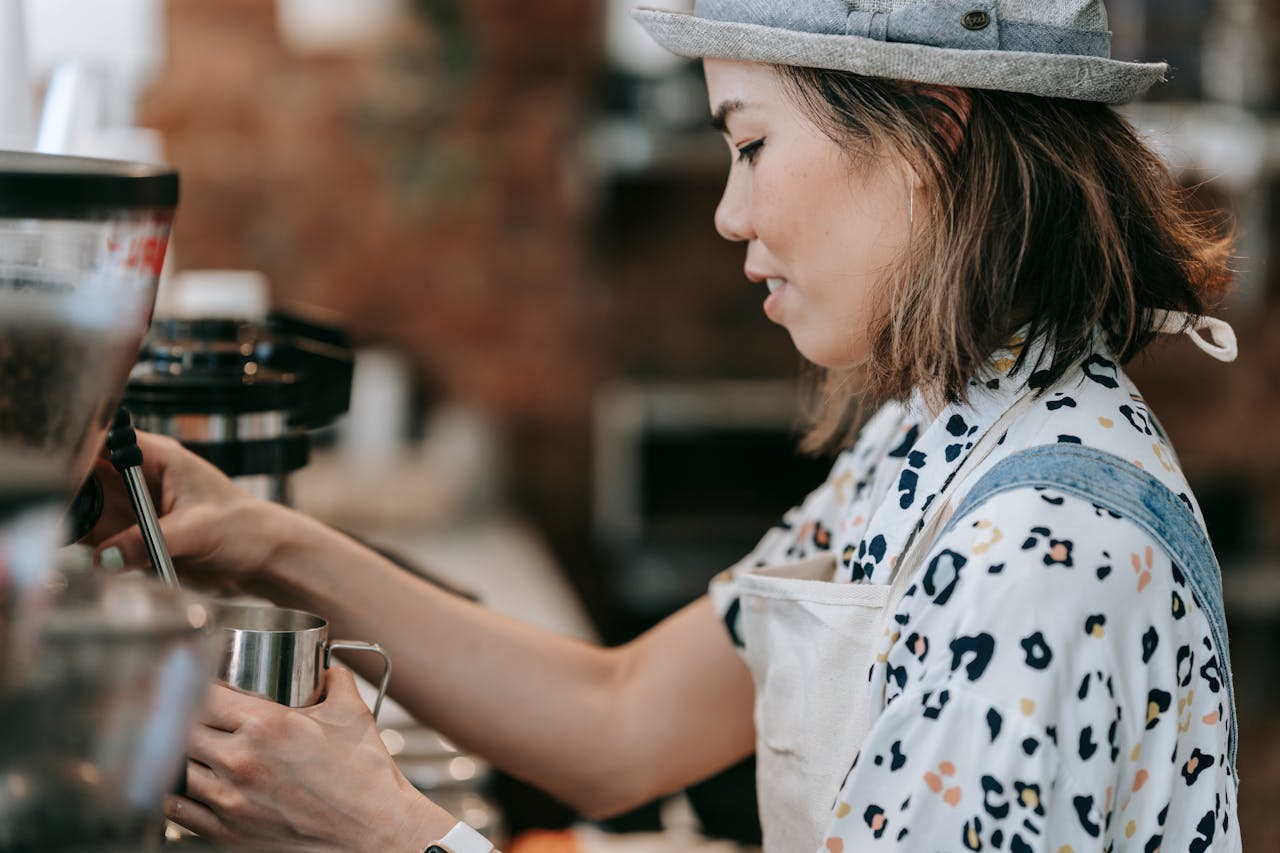
The global coffee industry has undergone a remarkable transformation over the past two decades, and women are increasingly taking center stage in farming operations across major producing regions. For too long, women coffee farmers were marginalized in agricultural decision-making and ownership, despite their substantial contributions. Today, they’re finally being recognized as essential contributors to both economic sustainability and quality improvement in the specialty coffee sector. This shift represents more than just social progress, it’s a fundamental restructuring of how coffee production operates in countries from Ethiopia to Colombia, from Kenya to Indonesia.
Breaking Traditional Barriers in Coffee Production
Women have always performed substantial labor in coffee farming, yet their contributions remained frustratingly invisible in formal records and economic structures. Traditional land ownership laws in many coffee-producing nations prevented women from owning farms outright, relegating them to supporting roles despite performing up to 70% of agricultural work in some regions. The landscape started shifting about fifteen years ago, when deliberate efforts began dismantling these barriers through legal reforms, cooperative initiatives, and targeted development programs. Rwanda stands out as a compelling example, having implemented progressive land inheritance laws that guarantee women’s property rights, which resulted in increased female farm ownership and greater economic autonomy.
Economic Impact and Quality Improvements
Here’s something that challenges old assumptions: research consistently demonstrates that women-led coffee farms achieve comparable or superior quality metrics compared to male-managed operations. Studies from the International Coffee Organization reveal that farms with female decision-makers often implement more sustainable agricultural practices, including organic pest management and soil conservation techniques that enhance long-term productivity. What’s particularly striking is that women coffee farmers tend to reinvest a higher percentage of their income into family welfare, education, and community development, creating multiplier effects throughout their local economies. The specialty coffee market has caught on to this correlation between women’s empowerment and quality improvement, with numerous roasters and importers actively seeking partnerships with women-led cooperatives and farms.
Cooperative Models and Collective Strength
Women-focused coffee cooperatives have emerged as powerful vehicles for economic advancement and social change throughout coffee-producing regions. These cooperatives provide members with collective bargaining power that individual smallholders simply can’t match on their own, enabling better pricing negotiations and direct market access to international buyers. Organizations like the International Women’s Coffee Alliance have facilitated knowledge exchange among women farmers across continents, creating networks that share best practices in cultivation, processing, and business management. Cooperative membership offers women farmers access to technical training, certification programs, and quality control resources that would be financially prohibitive for individual producers.
Beyond the obvious economic benefits, these cooperatives create social infrastructure supporting women’s leadership development and community organizing skills, capabilities that extend far beyond coffee farming itself. Many women’s cooperatives have expanded beyond coffee production into complementary enterprises including savings and loan programs, agricultural input supply, and processing facility management, diversifying income sources and building comprehensive economic ecosystems. When sourcing ethically produced coffee, many specialty roasters and conscious consumers seek women produced coffee products that directly support these cooperative networks and ensure fair compensation reaches the farmers themselves.
Challenges and Ongoing Barriers
Despite significant progress, women coffee farmers continue confronting systemic obstacles that limit their full participation in the industry. Access to land remains problematic in regions where customary laws contradict formal legal protections, leaving women vulnerable to dispossession following divorce or widowhood, a heartbreaking reality that undermines everything they’ve worked for. Educational disparities mean many women farmers lack literacy skills necessary for navigating certification requirements, contract negotiations, and financial record-keeping essential for business growth. Time poverty presents a persistent challenge that doesn’t get discussed enough: women typically bear primary responsibility for household duties and childcare in addition to farm labor, limiting their availability for training programs and cooperative meetings.
The Role of Certification and Market Recognition
Sustainability certification programs have increasingly incorporated gender equity criteria into their standards, creating market-based incentives for improving women’s participation and compensation. Certifications such as Fair Trade and Organic include provisions addressing gender discrimination, equal pay, and women’s representation in cooperative governance structures, requirements that actually carry weight. Some importers and roasters have developed sourcing programs specifically highlighting coffees produced by women farmers, creating differentiated market channels that command premium pricing. These market mechanisms generate financial benefits while raising visibility for women’s contributions to coffee production, which is long overdue.
Future Outlook and Transformative Potential
The trajectory of women’s advancement in coffee farming suggests continued growth in their influence and leadership across the global coffee sector. Demographic shifts in coffee-producing regions, including male migration to urban areas and younger generations’ changing career preferences, are creating opportunities for women to assume greater management responsibilities on family farms. Technology adoption, particularly mobile banking and digital agricultural extension services, may help overcome some traditional barriers women face in accessing information and financial services, barriers that once seemed insurmountable. The specialty coffee market’s emphasis on traceability and relationship-based sourcing creates opportunities for women farmers to build direct connections with roasters and consumers, bypassing intermediaries who historically captured most of the value.
Conclusion
The rise of women in coffee farming worldwide represents both a justice imperative and a strategic opportunity for the entire coffee industry. The evidence is clear: empowering women farmers drives quality improvements, enhances sustainability, and strengthens community resilience in coffee-producing regions. While significant barriers remain, and we shouldn’t minimize them, the progress achieved over recent decades proves that systematic change is possible when markets, policies, and development initiatives align around gender equity goals. The coffee sector’s future sustainability depends substantially on continuing this momentum, ensuring that women farmers receive the recognition, resources, and agency they deserve as essential contributors to one of the world’s most valuable agricultural commodities.
Read More Find Magazine


Do Watch Colors Match Seasons?

Choosing the Right Cavitation Machine: What Every Clinic Owner Should Know Before Buying

How to Spot a More Trustworthy Phone Tarot Service
Beware, the cult that victimized teenagers has brought its performances to Japan

How Does the FRM Exam Help Build a Career in Risk Analytics?

What Happens When You Stop Taking Ozempic For Weight Loss?

Generative Furniture Modeling Review 2026: Automating Prototyping Workflows
Why Healthcare Press Releases Need Regulatory Awareness
How to Turn Your Bahrain Registration Into a Competitive Advantage

Company License in Saudi Arabia: Matching Activity for UK Firms
Do Watch Colors Match Seasons?
Choosing the Right Cavitation Machine: What Every Clinic Owner Should Know Before Buying
How to Spot a More Trustworthy Phone Tarot Service
Beware, the cult that victimized teenagers has brought its performances to Japan
How Does the FRM Exam Help Build a Career in Risk Analytics?
What Happens When You Stop Taking Ozempic For Weight Loss?
Generative Furniture Modeling Review 2026: Automating Prototyping Workflows
Why Healthcare Press Releases Need Regulatory Awareness
How to Turn Your Bahrain Registration Into a Competitive Advantage
Company License in Saudi Arabia: Matching Activity for UK Firms

The Private World of Marina Pearl LeBlanc, Matt LeBlanc’s Only Child

What is Shoujo Ramune? The Comprehensive Guide

Who is Christina Erika Carandini Lee? Everything About Christopher Lee’s Daughter

Who is Amra Nor Jenkins? The Untold Story About Jeezy’s Daughter

The Untold Truth of William Mapel: A Deep Dive into His Personal Life

The Untold Story of Denika Kisty: Her Family, Net Worth, and More

The Rise of Ryan Nikolaos Sampras: From Humble Beginnings to Stardom

Who is Nicoletta Ruhl? Age, Family, Bio

William Givens Jensen Today: What We Know About Robin Givens’ Son

Who Is Stephanie Sarkisian? All You Need To Know AboutSteve Sarkisian’s Ex-Wife
-
 Celebrity1 year ago
The Private World of Marina Pearl LeBlanc, Matt LeBlanc’s Only Child
-
 Entertainment2 years ago
What is Shoujo Ramune? The Comprehensive Guide
-
 Celebrity2 years ago
Who is Christina Erika Carandini Lee? Everything About Christopher Lee’s Daughter
-
 Life Style2 years ago
Who is Amra Nor Jenkins? The Untold Story About Jeezy’s Daughter
-
 Celebrity2 years ago
The Untold Truth of William Mapel: A Deep Dive into His Personal Life
-
 Celebrity2 years ago
The Untold Story of Denika Kisty: Her Family, Net Worth, and More
-
 Celebrity2 years ago
The Rise of Ryan Nikolaos Sampras: From Humble Beginnings to Stardom
-
 Life Style2 years ago
Who is Nicoletta Ruhl? Age, Family, Bio