Health
Understanding Your Treatment Options for Thyroid Autoimmune Conditions

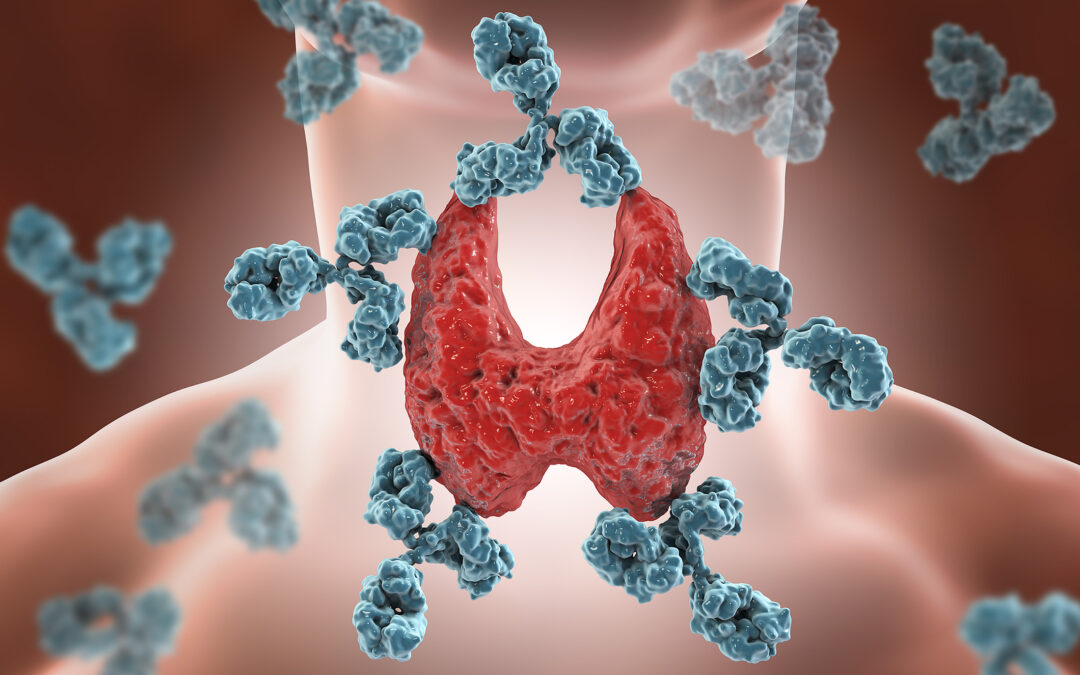
Being diagnosed with a thyroid autoimmune condition can feel overwhelming — but understanding what treatment involves helps turn that uncertainty into a clear, manageable path forward. The right treatment plan makes an enormous difference in how you feel day to day and how well the condition is controlled over the long term.
Why Treatment Requires a Personalized Approach
Thyroid autoimmune conditions affect people differently. Some individuals experience significant symptoms from early in the disease course, while others remain largely asymptomatic for years before thyroid function becomes measurably impaired. Treatment decisions are therefore not one-size-fits-all — they are guided by a combination of laboratory results, symptom severity, the individual’s overall health profile, and how the condition is progressing over time.
This is why ongoing monitoring and a strong relationship with a knowledgeable specialist are as important as any single treatment decision. The most effective management plans are ones that evolve alongside the condition rather than remaining static.
Thyroid Hormone Replacement Therapy
For many people with thyroid autoimmune conditions, the immune system’s attack on thyroid tissue eventually reduces the gland’s ability to produce adequate levels of thyroid hormone — a state known as hypothyroidism. When this occurs, thyroid hormone replacement therapy becomes the cornerstone of treatment.
Levothyroxine
Levothyroxine is a synthetic form of thyroxine — the primary hormone produced by the thyroid gland — and is the most widely prescribed medication for hypothyroidism associated with thyroid autoimmune conditions. Taken as a daily oral tablet, it replaces the hormone the thyroid can no longer produce in sufficient quantities, restoring normal hormonal balance and relieving the symptoms of hypothyroidism.
Getting the dosage right is a process that requires patience and careful monitoring. Too little levothyroxine leaves symptoms unresolved, while too much can produce symptoms of hyperthyroidism — including palpitations, anxiety, and bone density loss over time. Regular blood tests measuring thyroid stimulating hormone levels are used to fine-tune the dose until the optimal level is established.
Combination Therapy
A subset of patients find that levothyroxine alone does not fully resolve their symptoms, even when blood test results fall within the normal range. For these individuals, combining levothyroxine with a small amount of liothyronine — a synthetic form of triiodothyronine, the active thyroid hormone — may provide more complete symptom relief.
Combination therapy is not appropriate for everyone and requires careful management due to liothyronine’s shorter half-life and more pronounced effect on heart rate and other physiological parameters. It is a decision made collaboratively between the patient and their specialist based on a thorough evaluation of symptom history and treatment response.
Desiccated Thyroid Extract
Desiccated thyroid extract is a natural thyroid hormone preparation derived from porcine thyroid glands. It contains both thyroxine and triiodothyronine in their naturally occurring ratios and has been used as a thyroid hormone replacement for well over a century.
Some patients report better symptom control with desiccated thyroid extract than with synthetic alternatives, though individual responses vary considerably. It remains a legitimate treatment option that can be discussed with a specialist for patients who have not achieved satisfactory results with synthetic hormone replacement alone.
Addressing the Autoimmune Component
Unlike conditions where the immune system’s role is less central, thyroid autoimmune conditions involve an ongoing immune attack on thyroid tissue that continues regardless of whether thyroid hormone levels are adequately replaced. For this reason, some specialists and patients choose to address the autoimmune component of the condition directly — not just its thyroid function consequences.
Selenium Supplementation
Selenium is a trace mineral that plays an important role in thyroid hormone metabolism and immune regulation. Several clinical studies have found that selenium supplementation can reduce the levels of thyroid peroxidase antibodies — the immune markers that characterize thyroid autoimmune conditions — and may help slow the progression of thyroid tissue damage over time.
Selenium supplementation is generally well tolerated at appropriate doses and is one of the more accessible complementary strategies available. However, because selenium toxicity is possible at high doses, supplementation should always be undertaken with the guidance of a healthcare provider who can recommend an appropriate dose based on the individual’s current selenium status.
Low-Dose Naltrexone
Low-dose naltrexone is an off-label treatment that has attracted growing interest in the context of autoimmune conditions. At doses far below those used for its primary approved indications, naltrexone is thought to modulate immune function in a way that may reduce autoimmune activity. Some patients with thyroid autoimmune conditions report meaningful improvements in symptoms and antibody levels with low-dose naltrexone, though the evidence base is still developing and it is not yet a mainstream treatment recommendation.
It is a conversation worth having with a specialist who is familiar with the emerging research and can evaluate whether it is an appropriate consideration given the individual’s full clinical picture.
The Importance of Regular Monitoring
Treatment for thyroid autoimmune conditions is not a set-and-forget proposition. Thyroid function can change over time — sometimes gradually, sometimes more rapidly — and treatment plans must be adjusted accordingly. Regular blood tests measuring thyroid stimulating hormone, free thyroxine, free triiodothyronine, and thyroid antibody levels give both the patient and their specialist the information needed to make informed, timely adjustments.
Symptoms should also be monitored and communicated openly at every appointment. Laboratory values and lived experience do not always tell the same story, and a specialist who listens carefully to how a patient feels — not just what the numbers show — is better positioned to deliver genuinely effective care.
Finding the Right Specialist
Access to a knowledgeable, attentive specialist is the single most important factor in managing a thyroid autoimmune condition effectively. People seeking help with Hashimoto’s disease in Hinsdale have access to experienced endocrinologists and integrative medicine specialists who are well versed in both conventional and emerging approaches to thyroid autoimmune care. Establishing care with the right provider early gives the condition the serious, sustained attention it requires.
Conclusion
Treating a thyroid autoimmune condition is a long-term commitment — but it is one that, with the right specialist and the right plan, leads to meaningful symptom relief and a much better quality of life. Understanding your options is the first step toward taking confident, informed control of your health.


Do Watch Colors Match Seasons?

Choosing the Right Cavitation Machine: What Every Clinic Owner Should Know Before Buying

How to Spot a More Trustworthy Phone Tarot Service
Beware, the cult that victimized teenagers has brought its performances to Japan

How Does the FRM Exam Help Build a Career in Risk Analytics?

What Happens When You Stop Taking Ozempic For Weight Loss?

Generative Furniture Modeling Review 2026: Automating Prototyping Workflows
Why Healthcare Press Releases Need Regulatory Awareness
How to Turn Your Bahrain Registration Into a Competitive Advantage

Company License in Saudi Arabia: Matching Activity for UK Firms
Do Watch Colors Match Seasons?
Choosing the Right Cavitation Machine: What Every Clinic Owner Should Know Before Buying
How to Spot a More Trustworthy Phone Tarot Service
Beware, the cult that victimized teenagers has brought its performances to Japan
How Does the FRM Exam Help Build a Career in Risk Analytics?
What Happens When You Stop Taking Ozempic For Weight Loss?
Generative Furniture Modeling Review 2026: Automating Prototyping Workflows
Why Healthcare Press Releases Need Regulatory Awareness
How to Turn Your Bahrain Registration Into a Competitive Advantage
Company License in Saudi Arabia: Matching Activity for UK Firms

The Private World of Marina Pearl LeBlanc, Matt LeBlanc’s Only Child

What is Shoujo Ramune? The Comprehensive Guide

Who is Christina Erika Carandini Lee? Everything About Christopher Lee’s Daughter

Who is Amra Nor Jenkins? The Untold Story About Jeezy’s Daughter

The Untold Truth of William Mapel: A Deep Dive into His Personal Life

The Untold Story of Denika Kisty: Her Family, Net Worth, and More

The Rise of Ryan Nikolaos Sampras: From Humble Beginnings to Stardom

Who is Nicoletta Ruhl? Age, Family, Bio

William Givens Jensen Today: What We Know About Robin Givens’ Son

Who Is Stephanie Sarkisian? All You Need To Know AboutSteve Sarkisian’s Ex-Wife
-
 Celebrity1 year ago
The Private World of Marina Pearl LeBlanc, Matt LeBlanc’s Only Child
-
 Entertainment2 years ago
What is Shoujo Ramune? The Comprehensive Guide
-
 Celebrity2 years ago
Who is Christina Erika Carandini Lee? Everything About Christopher Lee’s Daughter
-
 Life Style2 years ago
Who is Amra Nor Jenkins? The Untold Story About Jeezy’s Daughter
-
 Celebrity2 years ago
The Untold Truth of William Mapel: A Deep Dive into His Personal Life
-
 Celebrity2 years ago
The Untold Story of Denika Kisty: Her Family, Net Worth, and More
-
 Celebrity2 years ago
The Rise of Ryan Nikolaos Sampras: From Humble Beginnings to Stardom
-
 Life Style2 years ago
Who is Nicoletta Ruhl? Age, Family, Bio