Blog
Should I Repair or Replace My 10-Year-Old Hot Water System?

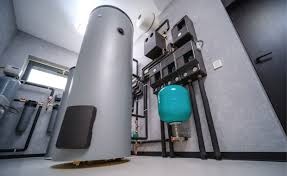
If your hot water system is around 10 years old and starting to show signs of trouble, you’re at a critical decision point. Do you fix the issue and extend its life, or replace it entirely?
The answer isn’t always straightforward. It depends on the condition of your system, the type of fault, and how much you’re likely to spend over time. What’s important to understand is this: most hot water systems are designed to last around 8–12 years. So if yours is already a decade old, it’s naturally approaching the end of its lifespan. This is where professional advice from Hot water repairs Adelaide experts becomes crucial; they can assess whether your system still has life left in it or if replacement is the smarter move.
When Repairs Still Make Sense
Not every issue means your system needs to be replaced. In many cases, repairs are still a practical and cost-effective option, especially if the problem is isolated. For example, components like thermostats, heating elements, and valves are designed to wear out over time and can usually be replaced without major expense.
If your system is otherwise functioning well, with no leaks, no rust, and consistent water temperature, repairing these parts can extend its life by a few years. Repairs are generally the better option when the issue is minor, and the system hasn’t required frequent callouts. If this is the first problem you’ve encountered, and the cost is relatively low, fixing it can be a reasonable short-term solution.
However, even in these cases, age still matters. A 10-year-old system is already near the upper limit of its expected lifespan, so any repair should be considered with caution.
When Replacement Is the Better Choice
Once your system reaches the 10-year mark, the balance often shifts toward replacement, especially if multiple issues are present. Certain warning signs strongly indicate replacement is the smarter option.
If you’re noticing rust on the tank or rust-coloured water coming from your taps, this usually points to internal corrosion. At this stage, the system is deteriorating from the inside, and repairs won’t solve the underlying issue. Leaks are another major red flag. If the tank itself is leaking, it cannot be repaired and must be replaced.
Frequent breakdowns are also a clear sign that the system is nearing the end of its life. If you’ve needed multiple repairs within a short period, more issues will likely follow. You may also notice your energy bills increasing. Older systems lose efficiency over time and require more energy to heat water. This not only affects performance but also increases running costs.
Unusual noises, such as banging or rumbling, can indicate sediment buildup inside the tank. While this can sometimes be addressed, it often signals deeper wear in older systems. In these situations, replacement is not just about fixing the current problem; it’s about avoiding a series of future failures.
Cost vs Long-Term Value
At first glance, repairing your system may seem like the cheaper option. A single repair is often significantly less expensive than installing a new unit. However, this is where long-term thinking becomes important.
If you’re paying for repairs every few months, those costs add up quickly. Over time, you may end up spending more on repeated fixes than you would have on a replacement. A commonly used guideline is the “50% rule.” If the cost of repairs exceeds half the price of a new system, replacement is usually the better investment.
New systems also offer improved energy efficiency. This means lower running costs, which can offset the initial investment over time. Additionally, a new unit comes with a warranty, giving you peace of mind that you won’t face unexpected repair costs in the near future. In contrast, continuing to repair an ageing system often means dealing with uncertainty and the risk of sudden failure.
The Role of Professionals
Deciding whether to repair or replace isn’t always clear-cut. This is why professional assessment is so important. Qualified Hot water repairs Adelaide specialists can inspect your system and evaluate several key factors, including:
- The age and overall condition of the unit
- The type and severity of the fault
- Signs of internal corrosion or wear
- Efficiency and energy usage
The same applies when it comes to termite treatment. Professionals don’t just address the visible issue – they assess the full extent of the problem and recommend a long-term solution. In many cases, they can identify issues that aren’t visible from the outside, such as hidden termite activity or structural damage. This insight is critical in determining whether a short-term fix will actually last.
Making the Right Decision
A 10-year-old hot water system sits right on the edge of its expected lifespan. While repairs may still be possible, they are often short-term solutions rather than long-term fixes. If your system has been reliable and the issue is minor, a repair could buy you some extra time. But if problems are becoming more frequent, or if there are signs of corrosion, leaks, or inefficiency, replacement is usually the smarter choice.
The key is to avoid waiting until the system fails completely. Sudden breakdowns can leave you without hot water and force you into emergency decisions, which are often more expensive. Planning ahead allows you to choose the right system, compare options, and install it on your terms.
Conclusion
When your hot water system reaches 10 years of age, it’s no longer just about fixing problems as they arise; it’s about making a strategic decision. Repairs can still make sense for minor issues, but ongoing problems, rising costs, and reduced efficiency are strong indicators that replacement is the better option.
Consulting experienced Hot water repairs Adelaide professionals ensures you get a clear, practical recommendation based on your system’s condition. Making the right decision early can save you money, reduce stress, and ensure your home always has reliable hot water.
FAQs
1. How long does a hot water system usually last?
Most systems last around 8–12 years, depending on type, maintenance, and usage. with
2. Is it worth repairing a 10-year-old hot water system?
It depends on the issue. Minor faults may be worth repairing, but frequent problems or major faults usually mean replacement is more cost-effective.
3. What are the signs my system needs replacing?
Leaks, rust, rising energy bills, inconsistent water temperature, and repeated breakdowns are all strong indicators.
4. When should I call a professional?
As soon as you notice issues. Hot water repairs Adelaide experts can assess whether repair or replacement is the better option.


Do Watch Colors Match Seasons?

Choosing the Right Cavitation Machine: What Every Clinic Owner Should Know Before Buying

How to Spot a More Trustworthy Phone Tarot Service
Beware, the cult that victimized teenagers has brought its performances to Japan

How Does the FRM Exam Help Build a Career in Risk Analytics?

What Happens When You Stop Taking Ozempic For Weight Loss?

Generative Furniture Modeling Review 2026: Automating Prototyping Workflows
Why Healthcare Press Releases Need Regulatory Awareness
How to Turn Your Bahrain Registration Into a Competitive Advantage

Company License in Saudi Arabia: Matching Activity for UK Firms
Do Watch Colors Match Seasons?
Choosing the Right Cavitation Machine: What Every Clinic Owner Should Know Before Buying
How to Spot a More Trustworthy Phone Tarot Service
Beware, the cult that victimized teenagers has brought its performances to Japan
How Does the FRM Exam Help Build a Career in Risk Analytics?
What Happens When You Stop Taking Ozempic For Weight Loss?
Generative Furniture Modeling Review 2026: Automating Prototyping Workflows
Why Healthcare Press Releases Need Regulatory Awareness
How to Turn Your Bahrain Registration Into a Competitive Advantage
Company License in Saudi Arabia: Matching Activity for UK Firms

The Private World of Marina Pearl LeBlanc, Matt LeBlanc’s Only Child

What is Shoujo Ramune? The Comprehensive Guide

Who is Christina Erika Carandini Lee? Everything About Christopher Lee’s Daughter

Who is Amra Nor Jenkins? The Untold Story About Jeezy’s Daughter

The Untold Truth of William Mapel: A Deep Dive into His Personal Life

The Untold Story of Denika Kisty: Her Family, Net Worth, and More

The Rise of Ryan Nikolaos Sampras: From Humble Beginnings to Stardom

Who is Nicoletta Ruhl? Age, Family, Bio

William Givens Jensen Today: What We Know About Robin Givens’ Son

Who Is Stephanie Sarkisian? All You Need To Know AboutSteve Sarkisian’s Ex-Wife
-
 Celebrity1 year ago
The Private World of Marina Pearl LeBlanc, Matt LeBlanc’s Only Child
-
 Entertainment2 years ago
What is Shoujo Ramune? The Comprehensive Guide
-
 Celebrity2 years ago
Who is Christina Erika Carandini Lee? Everything About Christopher Lee’s Daughter
-
 Life Style2 years ago
Who is Amra Nor Jenkins? The Untold Story About Jeezy’s Daughter
-
 Celebrity2 years ago
The Untold Truth of William Mapel: A Deep Dive into His Personal Life
-
 Celebrity2 years ago
The Untold Story of Denika Kisty: Her Family, Net Worth, and More
-
 Celebrity2 years ago
The Rise of Ryan Nikolaos Sampras: From Humble Beginnings to Stardom
-
 Life Style2 years ago
Who is Nicoletta Ruhl? Age, Family, Bio