Blog
Why Specifying the Right uPVC Drainage Pipes Can Make or Break Your Next MEP Project

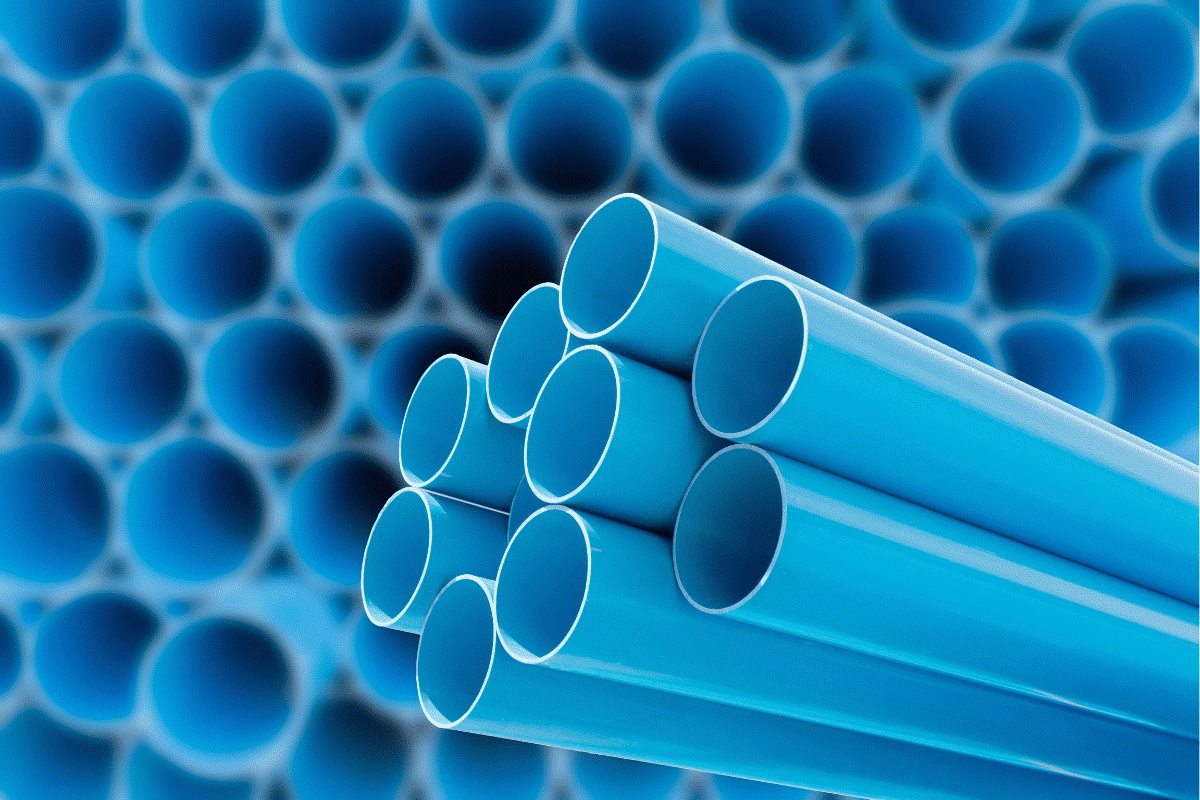
In the fast-moving world of construction across the UAE and the wider Middle East, decisions made at the specification stage tend to echo throughout a building’s lifecycle. Material selection, in particular, is one area where the difference between a well-informed choice and a rushed one becomes painfully obvious — often years after the project has been handed over.
Drainage pipework is a good place to start. It doesn’t get much airtime in design reviews, but it sits squarely at the core of how a building functions day to day. MEP engineers, specifiers, and procurement teams who’ve been caught out by a poorly specified drainage system will tell you the same thing — the time to get it right is at the spec stage, not during defects liability.
The Case for uPVC Drainage Pipes in Modern Construction
There’s a reason uPVC drainage pipes have become a fixture across construction projects in the region. Lightweight and corrosion-resistant, they’re practical to install and built to handle the demands of high-occupancy residential and commercial buildings alike. In a market like the UAE — where materials are expected to perform in punishing heat and withstand intensive use — durability is simply the starting point, not a selling feature.
Balancing performance against budget is a pressure every procurement team and mechanical engineer knows well. The good news with uPVC drainage pipes is that you don’t have to sacrifice one for the other. They go in quickly, they don’t demand much once they’re in, and they last. When you factor all of that into the total cost picture — rather than just the purchase price — they tend to come out ahead of most alternatives, especially on projects where the client is closely watching operational expenditure.
Acoustic Performance: The Specification Detail That’s Often Missed
There is one area of drainage specification that has historically been underweighted, particularly in the Middle East market: acoustic performance.
In a hospital ward, a five-star hotel corridor, or a premium residential apartment, the sound of water rushing through drainage pipes is not an abstract engineering concern — it is a direct quality-of-life issue for occupants and, by extension, a reputational issue for developers and contractors. In noise-sensitive environments, standard drainage pipework — even well-manufactured uPVC drainage pipes — may not provide sufficient acoustic attenuation. For these applications, a dedicated acoustic drainage solution warrants serious consideration at the specification stage.
What to Look for in an Acoustic Drainage System
When evaluating acoustic drainage solutions for a project, there are several technical criteria that specifiers and MEP engineers should assess:
Multi-layer construction. Effective acoustic drainage pipes use a layered pipe wall — typically combining standard polymer layers with a mineral-filled middle layer — to absorb vibration and dampen airborne noise generated by wastewater flow. Single-layer pipes, regardless of material, cannot achieve the same level of sound attenuation.
Independent acoustic testing is non-negotiable. If a product can’t point to third-party lab results from a recognized testing body, that’s reason enough to ask harder questions. EN 14366 is the standard to look for — it’s the benchmark for measuring noise from drainage systems in a controlled laboratory setting, and it gives specifiers a reliable, apples-to-apples basis for comparing what’s actually on the market.
Standards compliance. For projects in the UAE and wider GCC region, compliance with EN 1451 and DIN 19560 is increasingly specified by consultants and demanded by end clients. Confirming that a proposed product meets these standards from the outset avoids costly substitution requests further down the procurement chain.
Fitting and bracket design. Acoustic performance is not just about the pipe itself. Fittings, couplers, and wall brackets all help prevent noise transfer into the building structure. A well-engineered acoustic system treats the entire drainage assembly — not just individual pipe sections — as a noise control solution.
Local manufacturing and supply chain reliability. For contractors working to demanding program schedules, lead times, and supply chain consistency are rarely an afterthought. UAE-manufactured or locally distributed products offer a genuine logistical edge for GCC projects — reduced exposure to import delays and a stronger foundation for meeting on-site just-in-time delivery needs.
When evaluating options, look for acoustic drainage systems — typically manufactured from multi-layer polypropylene rather than standard uPVC — that carry Fraunhofer-certified acoustic test results and full compliance with the standards listed above. UAE-based manufacturers supplying the GCC market are increasingly offering locally produced solutions that meet these benchmarks, which is worth factoring into the procurement decision alongside price and availability.
The Specifier’s Role in Raising the Standard
There is a broader point worth making here. The construction industry across the Middle East has matured considerably over the past two decades. Clients are more sophisticated, end users are more demanding, and the consequences of post-handover defects — acoustic or otherwise — are more significant than ever. In this environment, specifying to minimum acceptable standards is a risk that increasingly backfires.
Buildings that perform well acoustically, maintain their drainage systems with minimal intervention, and meet the expectations of discerning occupants protect the reputations of everyone involved in their delivery. The drainage system is one part of that picture — and one of the more straightforward parts to get right, provided the specification decision is made thoughtfully and early in the design process.
A Practical Checklist for MEP Teams
For mechanical engineers and specifiers reviewing drainage system options on an upcoming project, the following questions are worth asking of any proposed product:
- Does it carry independent acoustic test certification to EN 14366 or an equivalent standard?
- Is it compliant with EN 1451 and DIN 19560?
- Is the full system — pipes, fittings, and brackets — engineered as an integrated acoustic solution?
- What is the manufacturer’s stated design life, and what warranty is offered?
- Is the product available from a locally based manufacturer or distributor with proven supply chain capability in the GCC?
- Has it been successfully specified on comparable projects in the region?
These are not onerous questions. But they are the right ones — and asking them early in the specification process is significantly less expensive than addressing acoustic complaints after a building has been handed over.
The Bottom Line
The right uPVC drainage pipes, specified correctly and supplemented with acoustic drainage solutions where required, represent one of the most straightforward ways to improve building performance and reduce post-handover risk on any MEP project. For construction professionals working across the UAE and the wider Middle East, it is a specification decision that deserves considerably more attention than it typically receives — and one that the best practitioners in the industry are already getting right.


Do Watch Colors Match Seasons?

Choosing the Right Cavitation Machine: What Every Clinic Owner Should Know Before Buying

How to Spot a More Trustworthy Phone Tarot Service
Beware, the cult that victimized teenagers has brought its performances to Japan

How Does the FRM Exam Help Build a Career in Risk Analytics?

What Happens When You Stop Taking Ozempic For Weight Loss?

Generative Furniture Modeling Review 2026: Automating Prototyping Workflows
Why Healthcare Press Releases Need Regulatory Awareness
How to Turn Your Bahrain Registration Into a Competitive Advantage

Company License in Saudi Arabia: Matching Activity for UK Firms
Do Watch Colors Match Seasons?
Choosing the Right Cavitation Machine: What Every Clinic Owner Should Know Before Buying
How to Spot a More Trustworthy Phone Tarot Service
Beware, the cult that victimized teenagers has brought its performances to Japan
How Does the FRM Exam Help Build a Career in Risk Analytics?
What Happens When You Stop Taking Ozempic For Weight Loss?
Generative Furniture Modeling Review 2026: Automating Prototyping Workflows
Why Healthcare Press Releases Need Regulatory Awareness
How to Turn Your Bahrain Registration Into a Competitive Advantage
Company License in Saudi Arabia: Matching Activity for UK Firms

The Private World of Marina Pearl LeBlanc, Matt LeBlanc’s Only Child

What is Shoujo Ramune? The Comprehensive Guide

Who is Christina Erika Carandini Lee? Everything About Christopher Lee’s Daughter

Who is Amra Nor Jenkins? The Untold Story About Jeezy’s Daughter

The Untold Truth of William Mapel: A Deep Dive into His Personal Life

The Untold Story of Denika Kisty: Her Family, Net Worth, and More

The Rise of Ryan Nikolaos Sampras: From Humble Beginnings to Stardom

Who is Nicoletta Ruhl? Age, Family, Bio

William Givens Jensen Today: What We Know About Robin Givens’ Son

Who Is Stephanie Sarkisian? All You Need To Know AboutSteve Sarkisian’s Ex-Wife
-
 Celebrity1 year ago
The Private World of Marina Pearl LeBlanc, Matt LeBlanc’s Only Child
-
 Entertainment2 years ago
What is Shoujo Ramune? The Comprehensive Guide
-
 Celebrity2 years ago
Who is Christina Erika Carandini Lee? Everything About Christopher Lee’s Daughter
-
 Life Style2 years ago
Who is Amra Nor Jenkins? The Untold Story About Jeezy’s Daughter
-
 Celebrity2 years ago
The Untold Truth of William Mapel: A Deep Dive into His Personal Life
-
 Celebrity2 years ago
The Untold Story of Denika Kisty: Her Family, Net Worth, and More
-
 Celebrity2 years ago
The Rise of Ryan Nikolaos Sampras: From Humble Beginnings to Stardom
-
 Life Style2 years ago
Who is Nicoletta Ruhl? Age, Family, Bio