Business
How Heat Styling Tools Affect Hair Health and Care

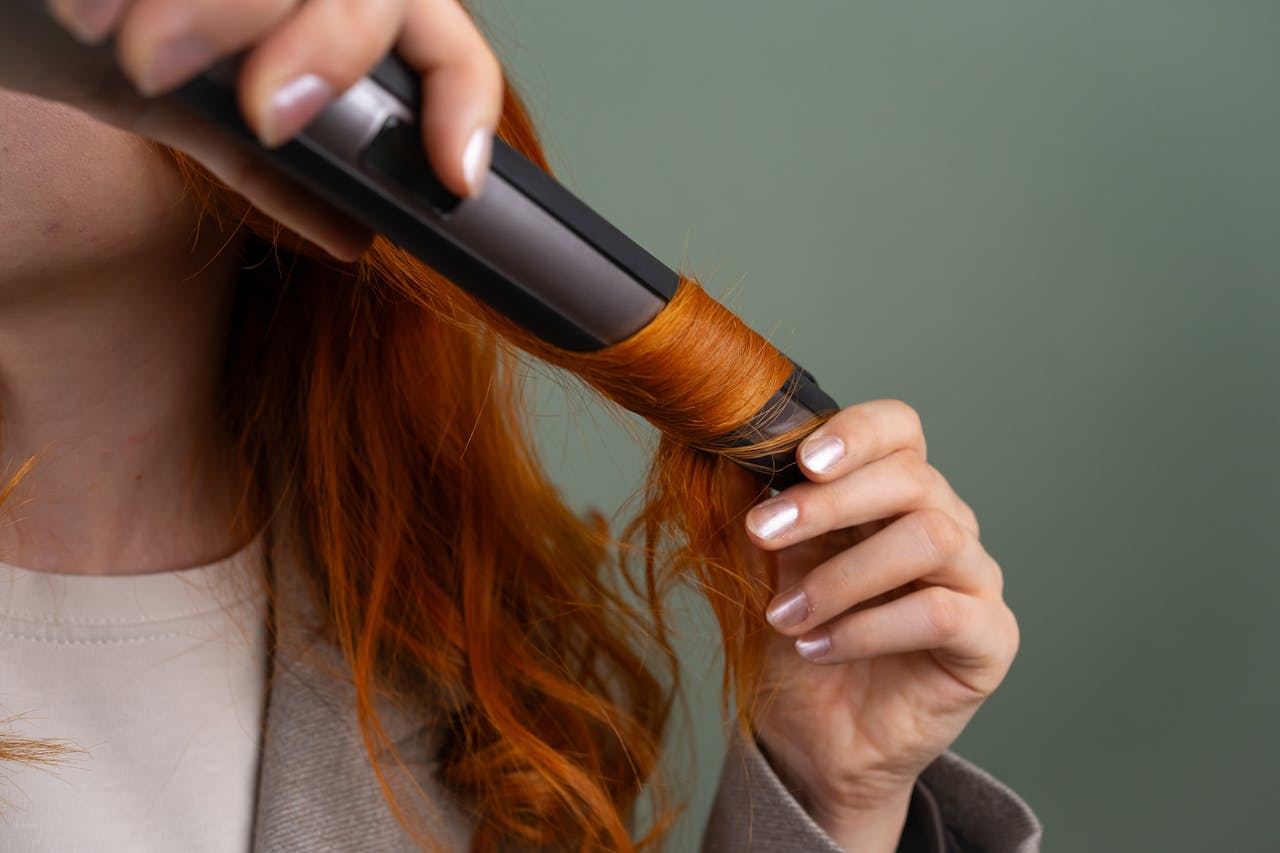
Heat styling tools have become absolute essentials in modern hair care routines, there’s just no denying their power to transform hair texture, create styles that last, and bring professional salon results right into our homes. Whether it’s flat irons, curling wands, blow dryers, or hot rollers, these devices harness controlled heat to temporarily reshape the hydrogen bonds within hair strands, opening up a world of styling possibilities. But here’s the thing: while we love the convenience and those gorgeous aesthetic results, there’s a real trade-off when it comes to hair health that deserves serious attention. The relationship between heat and hair integrity isn’t simple, it involves changes to protein structures, moisture depletion, and potential harm to that protective outer layer every strand depends on.
The Science Behind Heat-Induced Hair Damage
Here’s what’s really going on when you apply heat styling tools to your hair: they break down temporary hydrogen bonds that naturally give hair its shape and texture, which is exactly what allows you to restyle it. The problem starts when temperatures climb above 300 degrees Fahrenheit, that’s when permanent damage kicks in, affecting keratin, the fundamental protein that gives healthy hair its strength and structure. Think of the cuticle layer as overlapping roof shingles protecting your hair’s inner core. When excessive heat hits those scales, they lift up or break down entirely, creating rough texture and robbing your hair of its natural shine.
Common Signs of Heat Damage and Their Implications
Catching the warning signs of heat damage early means you can adjust your approach before things get really bad. Split ends, technically called trichoptilosis, stand out as one of the most obvious red flags, showing up when the protective cuticle has deteriorated so much that the hair fiber literally starts splitting apart lengthwise. When your hair becomes increasingly brittle and breaks easily, that’s telling you the structural integrity has been compromised, causing strands to snap under everyday stress from brushing or styling. If you’ve got color-treated hair, heat damage often shows itself through rapid fading or those unwanted brassy tones, since the damaged, lifted cuticle allows color molecules to escape while also letting in oxidation that changes the pigments left behind.
Protective Strategies for Heat Styling
You can dramatically reduce heat damage while still enjoying regular styling that makes you feel confident and put-together, it just takes some strategic protective measures. Heat protectant products serve as your first and most crucial defense line, laying down a barrier between your hair and those hot tools through ingredients like silicones, polymers, and conditioning agents that spread heat more evenly and minimize direct contact with vulnerable proteins. Temperature selection matters enormously here: fine or already-damaged hair needs gentler settings around 250-300 degrees Fahrenheit, while thick or coarse hair can typically handle temperatures up to 350-380 degrees without suffering excessive damage. Cutting back on heat styling frequency by working in heat-free methods on alternating days gives your hair breathing room to recover from thermal stress and lets natural moisture balance restore itself through your scalp’s sebum production and humidity absorption from the air. Proper technique makes a big difference too, keeping your styling tools moving continuously instead of clamping down on one section for extended periods distributes heat exposure more evenly and prevents those concentrated damage spots. When creating versatile looks for different occasions, professionals who need to achieve salon-quality results rely on premium hair styling tools that provide consistent heat distribution and reduced styling time, minimizing overall heat exposure while achieving superior results.
The Role of Hair Moisture in Heat Styling Safety
Moisture content fundamentally determines how vulnerable your hair is to heat damage and whether it can withstand thermal styling without permanent structural changes. Well-hydrated hair maintains better elasticity and flexibility, letting it bend and reshape under heat without fracturing or losing those essential proteins that give strands their strength and bounce. Deep conditioning treatments that actually penetrate past the cuticle layer replenish lipids and proteins stripped away during previous styling sessions, essentially rebuilding damaged areas and creating a stronger foundation for whatever styling comes next. Leave-in conditioners and hair oils applied before heat styling offer both protective coating and moisture supplementation, though you absolutely must ensure hair is bone dry before hot tools touch it to avoid that steam damage we talked about earlier.
Advanced Hair Care for Regular Heat Tool Users
If you’re someone who regularly reaches for heat styling tools, your hair care routine needs to level up specifically to address the cumulative effects of all that thermal stress. Protein treatments administered about once a month help rebuild the keratin structure that heat exposure damages, with formulations containing hydrolyzed proteins small enough to actually penetrate the hair shaft and latch onto damaged sites deep within the cortex. Regular trims every six to eight weeks remove compromised ends before splits can travel up the hair shaft, think of it as preventive maintenance that stops minor damage from becoming major breakage requiring a big chop later. Alternating between different styling tools and techniques prevents hammering the same hair sections over and over, spreading damage more evenly and giving specific areas recovery time between styling sessions.
Conclusion
Heat styling tools deliver remarkable versatility and convenience for achieving diverse hairstyles, but their impact on hair health demands careful consideration and proactive protective measures that actually work. Understanding how heat damage happens, spotting early warning signs, putting protective strategies into action, maintaining optimal moisture levels, and adopting advanced care routines all work together to minimize the negative effects of regular heat styling. The real key to successful long-term heat tool use comes down to balancing your aesthetic goals with hair health priorities, selecting appropriate temperatures for your specific hair type, and investing in quality tools and protective products that genuinely reduce damage potential. When you approach heat styling as a practice that requires both knowledge and discipline, you can enjoy all the creative freedom these tools provide while maintaining the strength, shine, and vitality that truly healthy hair radiates.


The Rise of the Syna x Nike Tracksuit in Urban Fashion

Upgrade Your Wardrobe with a Syna x Nike Tracksuit

5 Financial Habits That Help You Grow Wealth Over Time

Private Jet Prices: What Influences the Total Flight Cost

How Heat Styling Tools Affect Hair Health and Care

5 Steps to Take If You Suspect Asbestos Exposure

Top 5 Boston Red Sox Jackets to Upgrade Your Game-Day Style

The Life and Career of Danny Glover

Who is Jovan Arriaga?

The Legacy of André the Giant Daughter
The Rise of the Syna x Nike Tracksuit in Urban Fashion
Upgrade Your Wardrobe with a Syna x Nike Tracksuit
5 Financial Habits That Help You Grow Wealth Over Time
Private Jet Prices: What Influences the Total Flight Cost
How Heat Styling Tools Affect Hair Health and Care
5 Steps to Take If You Suspect Asbestos Exposure
Top 5 Boston Red Sox Jackets to Upgrade Your Game-Day Style
The Life and Career of Danny Glover
Who is Jovan Arriaga?
The Legacy of André the Giant Daughter

The Private World of Marina Pearl LeBlanc, Matt LeBlanc’s Only Child

What is Shoujo Ramune? The Comprehensive Guide

Who is Amra Nor Jenkins? The Untold Story About Jeezy’s Daughter

The Untold Truth of William Mapel: A Deep Dive into His Personal Life

Who is Christina Erika Carandini Lee? Everything About Christopher Lee’s Daughter

The Rise of Ryan Nikolaos Sampras: From Humble Beginnings to Stardom

The Untold Story of Denika Kisty: Her Family, Net Worth, and More

Who Is Stephanie Sarkisian? All You Need To Know AboutSteve Sarkisian’s Ex-Wife

Ranch World Ads Review: Everything You Need to Know

Gomovies Alternatives: Best Free Streaming Platforms
-
 Celebrity10 months ago
The Private World of Marina Pearl LeBlanc, Matt LeBlanc’s Only Child
-
 Entertainment1 year ago
What is Shoujo Ramune? The Comprehensive Guide
-
 Life Style1 year ago
Who is Amra Nor Jenkins? The Untold Story About Jeezy’s Daughter
-
 Celebrity1 year ago
The Untold Truth of William Mapel: A Deep Dive into His Personal Life
-
 Celebrity1 year ago
Who is Christina Erika Carandini Lee? Everything About Christopher Lee’s Daughter
-
 Celebrity1 year ago
The Rise of Ryan Nikolaos Sampras: From Humble Beginnings to Stardom
-
 Celebrity1 year ago
The Untold Story of Denika Kisty: Her Family, Net Worth, and More
-
 Celebrity1 year ago
Who Is Stephanie Sarkisian? All You Need To Know AboutSteve Sarkisian’s Ex-Wife