Travel
How Much Does an Everest Expedition Cost in 2026?

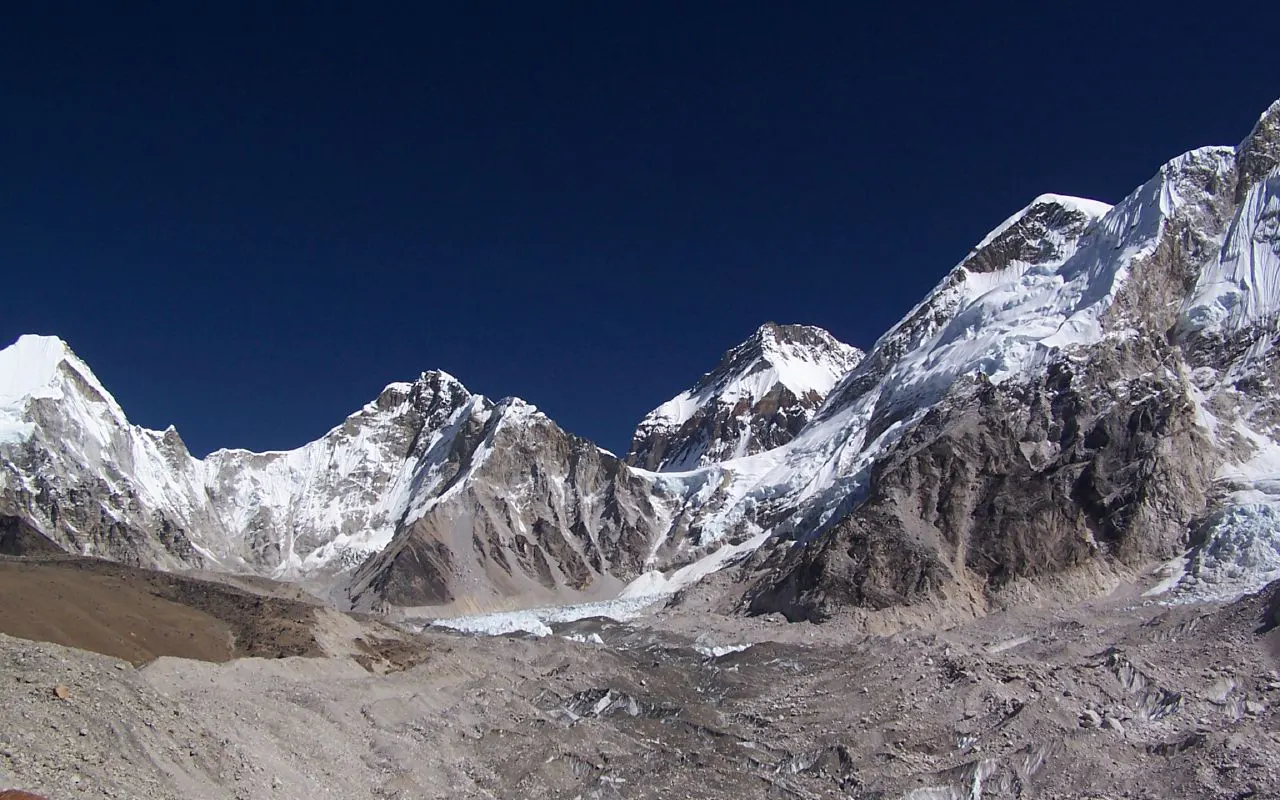
Climbing Mount Everest, the world’s highest mountain at 8,849 meters (29,032 feet), is one of the most ambitious adventures a person can undertake. The peak takes months to prepare, and it involves special gear and a huge team. It is also very expensive in terms of finance.
An expedition to Everest in 2026 is strongly dependent on the cost, depending on the type of expedition service, the route, and the level of service that a climber wants to engage in. Some of the less advanced expeditions can be as reasonable as about $ 30,000-40,000, but the more luxurious ones can be $ 120,000 or higher. The average cost of an expedition is approximately $ 60,000, and most climbers usually spend between $ 50,000 and 70,000.
Knowing how this money is consumed will reveal the reasons why climbing Everest is very costly. The government permits up to oxygen systems and Sherpa support; there are a lot of aspects that make up the final cost of an expedition to Everest.
The Price Range of an Everest Expedition in 2026
The price of the Mount Everest expedition in 2026 will be greatly affected by the nature of the expedition service. Some opt to use budget operators, which offer simple logistics, and those who opt to use high-end guided expeditions, which offer a lot of support and comfort.
Due to the Sherpa-led trip, an easy one can cost around $ 33000 to 45000, whereas a middle-level trip costs between $ 50000 and 60000. International organizers of luxury expeditions may cost more than $ 100,000, particularly in the case of such other services as guides, helicopter rides, and high-level support.
Such packages usually do include the majority of the logistics through the two-month expedition, including base camp services, climbing gear like fixed ropes, and professional guiding services.
The Government Permit Fee
A climbing permit issued by the Government of Nepal is considered to be one of the initial significant expenditures in any Everest expedition.
By 2025-2026, the climbing permit fee to climb Everest in the popular spring season has risen to $15,000 per climber, with the former charge being $ 11,000.
Such a permit allows the climbers to make an attempt at the summit through the South Col route in Nepal. Besides the principal permit, the climbers are also required to pay a number of administrative charges, including national park entry permits, local municipality charges, and waste management deposits.
Despite the permit being a high cost, it is an insignificant part of the overall cost of the expedition to Everest.
Expedition Operator and Guide Costs
To the majority of climbers, the cost of the expedition operator or guiding service is the highest cost. These companies plan everything about climbing, such as logistics, food, climbing gear, and knowledgeable support personnel.
Guided expeditions provide professional mountain guides, well-trained Sherpa climbers, fixed rope installation, base camp infrastructure, healthcare, and networking services.
These services are safe and organized in the expedition. Due to the fact that Everest climbing typically requires an average of 60 to 65 days, the logistics are complicated and costly.
The price of the expedition greatly depends on the quality of the operator. The budget operators might offer a common Sherpa assistance and a small amount of oxygen, whereas the premium operators offer a greater amount of support and security.
Sherpa Support and Staffing
The Sherpa climbers are also important in the Everest expeditions. They assist in the transportation of heavy equipment, the setup of camps, the repair of ropes on the path, and aid the climbers in the summit push.
On the normal South Col path, mountaineers walk through various camps above the Everest Base Camp of approximately 5,364 meters (17,598 feet). The expedition is only made possible by Sherpas who transport supplies and oxygen bottles between camps.
Depending on the expedition package, most of the climbers are allocated one or more high-altitude Sherpas. Their salaries, insurance, and equipment are part of the expedition fee, which adds up to a big amount.
Oxygen Systems and Climbing Equipment
Above 8,000 meters (26,247 feet) on Everest is what climbers refer to as the death zone. The oxygen concentration at this height is very minimal, and climbers use supplemental oxygen so that life is sustained to enable them to go forward with climbing.
Every climber usually needs a number of oxygen cylinders, masks, and regulators. Even the oxygen systems will cost thousands of dollars.
Besides oxygen, special high-altitude equipment is necessary for climbers, including down suits that keep out extreme cold, high-altitude boots, ice axes and crampons, and severe temperature sleeping bags.
The cost of buying or renting this equipment is between $ 7000 and 10,000 or more, depending on the brand and quality of the equipment.
Travel, Insurance, and Personal Expenses
Travel and insurance are another significant component of the cost of the Everest expedition.
The majority of the climbers come to Nepal and begin their expedition from Kathmandu, and fly to Lukla, the entry point to the Everest region. From Lukla, they trek to Everest Base Camp through Khumbu Valley.
These are travel costs that involve domestic flights to Lukla, hotels and meals in Kathmandu, and trekking of supplies up to base camp.
Moreover, climbers also need to buy medical and rescue insurance that is high-altitude insurance that covers emergency evacuation by helicopters in case of need.
All these costs put together may increase the overall cost of the expedition by several thousand dollars.
Base Camp Life and Logistics
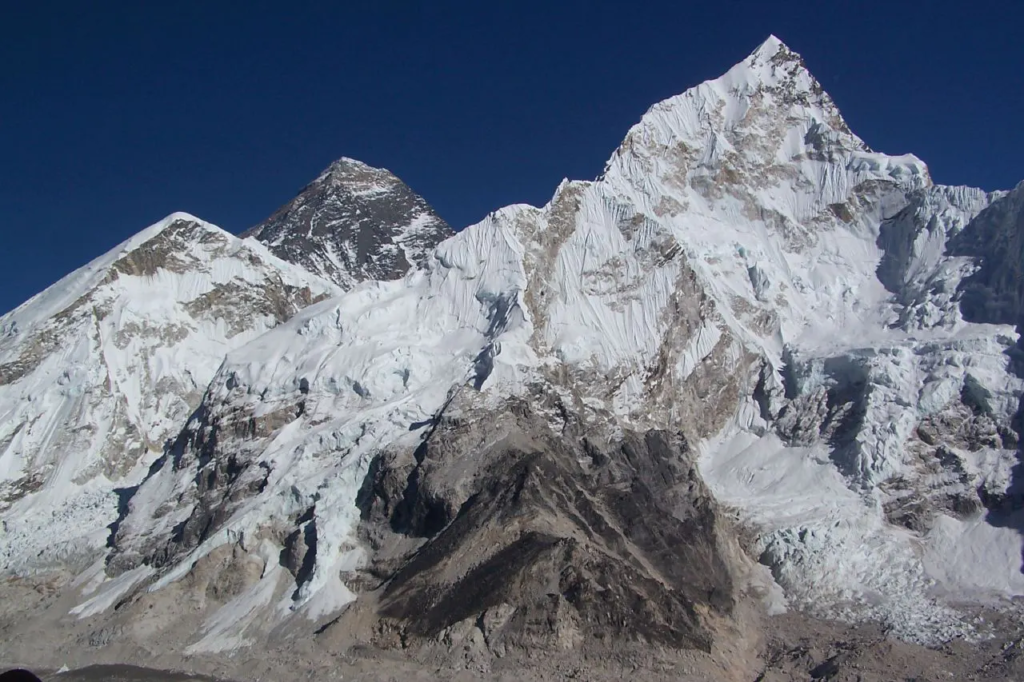
During the climbing season, Everest Base Camp, which is situated at 5,364 meters (17,598 feet), turns into a temporary village. Mountaineers established huge camps and tents, kitchens, communication gear, and hospitals.
When the climbers are at the base camp, they might take several weeks to get used to the height and prepare to make attempts of climbing the summit. They alternate between the higher camps during this period and get back to base camp to rest.
The base camp should have a huge amount of support staff, such as cooks, porters, and logistic personnel, to run a base camp for a period of 2 months. These services normally form part of the expedition package and will make up the total cost.
Additional Hidden Costs
Although most packages of the expeditions offer one price, climbers usually face extra expenses on their trips.
These may include international flights, replacement of equipment or upgrades, tips to Sherpa guides and staff, extra oxygen bottles, use of satellite phone or internet, and emergency rescue services.
Due to such additional costs, the end cost of climbing Everest may at times be even higher than the initial cost of the expedition.
Why Everest Expeditions Are So Expensive
Mount Everest is a very expensive climb due to the hostile conditions and the complicated logistics of the climb.
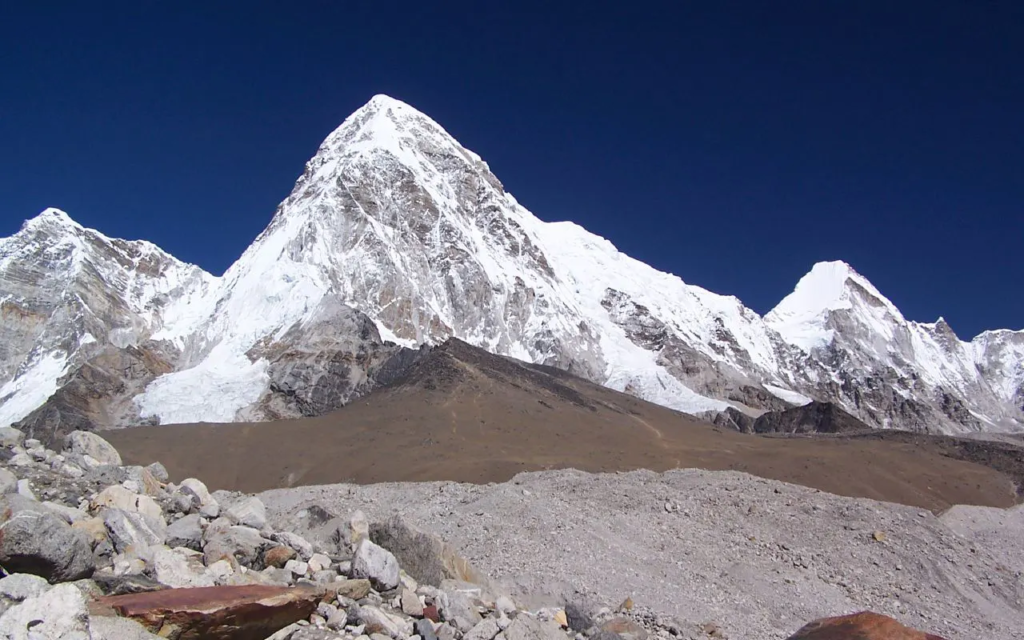
Mount Everest is 8,849 meters (29,032 feet) above sea level, and summiting it takes months of practice, special gear, and professional teams. The risk of the expedition being an extreme adventure in the world is due to the remote location, extreme weather, and the height.
Thousands of individuals are involved in the planning of every successful summit effort, including Sherpas and cooks, expedition leaders, and logistics staff.
Final Thoughts
In 2026, the average price of an expedition to Everest is $ 50,000-70,000, but there are also budget trips with a price of about $ 30,000 and luxury tours of more than $ 100,000.
It is not only the opportunity to reach the top that is included in its price. It includes permits, guides, Sherpa support, oxygen systems, equipment, logistics, and high-altitude weeks of preparation.
To climbers who aspire to climb Mount Everest, this is not a matter of just physical prowess and mental perseverance, but a matter of well-planned finances. Nevertheless, thousands of adventurers still aim to make the jump to the top of the world, which is very expensive, but it is still possible to do it annually.


Must-Have Features Every Successful Resort Should Include

How Much Does an Everest Expedition Cost in 2026?

Budget Home Improvements That Actually Add Value — And Why Waterproofing Paints Should Top Your List

Elevated Living: Curating Luxurious Spaces with Timeless Design

How Private Tutoring Improves Academic Performance

Who is Miki Yim? A closer look at the rising star

Sung Kang Wife: A Closer Look at the Actor’s Personal Life

Essential Tips for AC Repair

Laurie Metcalf: A Versatile Actress with a Stellar Career

Discovering the Vibrant Community of Dubai Marina
Must-Have Features Every Successful Resort Should Include
How Much Does an Everest Expedition Cost in 2026?
Budget Home Improvements That Actually Add Value — And Why Waterproofing Paints Should Top Your List
Elevated Living: Curating Luxurious Spaces with Timeless Design
How Private Tutoring Improves Academic Performance
Who is Miki Yim? A closer look at the rising star
Sung Kang Wife: A Closer Look at the Actor’s Personal Life
Essential Tips for AC Repair
Laurie Metcalf: A Versatile Actress with a Stellar Career
Discovering the Vibrant Community of Dubai Marina

The Private World of Marina Pearl LeBlanc, Matt LeBlanc’s Only Child

What is Shoujo Ramune? The Comprehensive Guide

Who is Amra Nor Jenkins? The Untold Story About Jeezy’s Daughter

Who is Christina Erika Carandini Lee? Everything About Christopher Lee’s Daughter

The Untold Truth of William Mapel: A Deep Dive into His Personal Life

The Rise of Ryan Nikolaos Sampras: From Humble Beginnings to Stardom

The Untold Story of Denika Kisty: Her Family, Net Worth, and More

Who Is Stephanie Sarkisian? All You Need To Know AboutSteve Sarkisian’s Ex-Wife

Gomovies Alternatives: Best Free Streaming Platforms

Ranch World Ads Review: Everything You Need to Know
-
 Celebrity10 months ago
The Private World of Marina Pearl LeBlanc, Matt LeBlanc’s Only Child
-
 Entertainment1 year ago
What is Shoujo Ramune? The Comprehensive Guide
-
 Life Style1 year ago
Who is Amra Nor Jenkins? The Untold Story About Jeezy’s Daughter
-
 Celebrity1 year ago
Who is Christina Erika Carandini Lee? Everything About Christopher Lee’s Daughter
-
 Celebrity1 year ago
The Untold Truth of William Mapel: A Deep Dive into His Personal Life
-
 Celebrity1 year ago
The Rise of Ryan Nikolaos Sampras: From Humble Beginnings to Stardom
-
 Celebrity1 year ago
The Untold Story of Denika Kisty: Her Family, Net Worth, and More
-
 Celebrity1 year ago
Who Is Stephanie Sarkisian? All You Need To Know AboutSteve Sarkisian’s Ex-Wife