Business
How Italian Restaurants Create Warm and Welcoming Dining Environments


Italian restaurants create warm and welcoming dining environments through thoughtful design choices, genuine hospitality, and attention to small details that make you feel at home.
This decor automatically wraps around you before you even sit down. It’s warmer than other dining spots, more inviting, and somehow makes you want to linger over your meal.
But this atmosphere doesn’t happen by accident. Every detail, from lighting to music to the way staff greet customers, works together to build the unique experience that Italy is known for.
This guide breaks down exactly how Italian restaurants like Fiore Restaurant craft these memorable dining experiences. You’ll also see:
- What goes into creating that rustic charm
- Why certain hospitality practices matter
- How even background details change the way you enjoy your food
So, let’s get started.
Italian Hospitality: The Foundation of Every Great Meal
Italian hospitality means treating every guest like family from the moment they walk in until they leave satisfied. This warm hospitality sets the tone for everything else that follows during your meal.

Here are the details about hospitality that you’ll receive at an Italian Restaurant.
Greeting Guests Like Family Members
When you walk through the door after arrival, hosts acknowledge you within seconds. You don’t have to stand there wondering if anyone noticed you came in.
After arrival, eye contact and genuine smiles create an immediate connection before any food gets ordered. Drawing from our experience in Italian dining spaces, this greeting ritual varies between restaurants, but the core warmth stays consistent. And some hosts even remember your name after just two visits, while others recall your favorite table or usual drink order.
Table Spacing That Encourages Conversation
At these restaurants, tables are placed far enough apart so neighboring conversations don’t interrupt your dinner discussion. Because you never want to hear every detail from the couple next to them.
That same thoughtfulness carries into the seating. Intimate booth seating accommodates couples looking for romantic dinners, while larger tables handle family-style group dining where everyone shares dishes. This layout gives each party its own space without making the room feel empty (privacy without isolation).
Staff Training in Traditional Service
Servers get the timing right too, stepping in when needed without hovering. Since nobody enjoys eating while someone constantly interrupts to ask, “How is everything?”
Usually, wine and menu knowledge let staff answer questions confidently without guessing. And that’s where things get interesting. Servers who understand the dishes can guide you toward options that match your preferences instead of just reciting specials.
Lighting Design of an Italian Restaurant Sets the Mood Right
The best part about thoughtful lighting design is how it changes the same dining room from an energetic lunch spot to a romantic evening retreat.
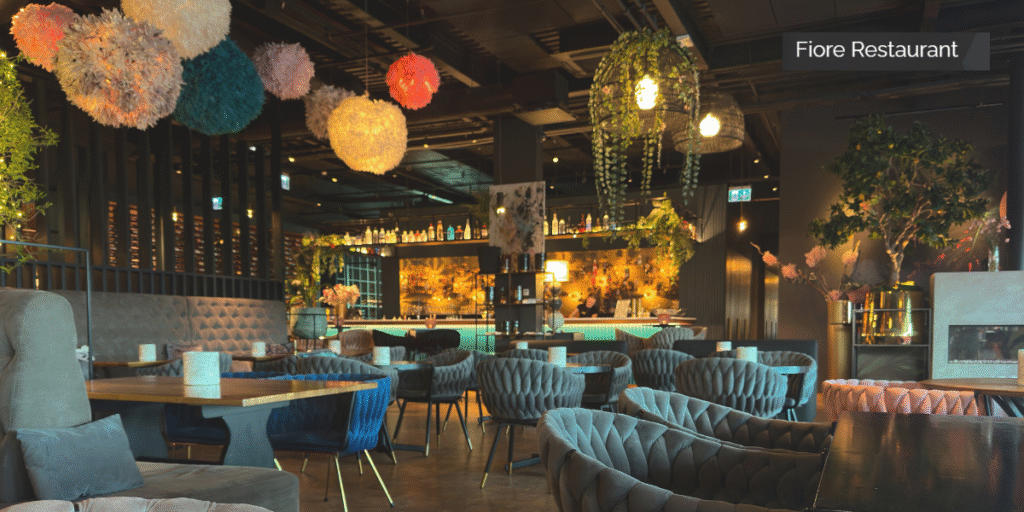
But most restaurants get this wrong by going too bright (and most places get this wrong by going too bright), instead Italian spots understand that lighting plays a bigger role in restaurant ambiance than anything else.
We’ve seen warm bulbs between 2700K and 3000K replicate candlelight glow without harsh fluorescent brightness. With this, you get that soft, flattering light that makes your food look appetizing and keeps the atmosphere relaxed.
Also, dimmer switches adjust lighting throughout the evening when natural daylight fades outside the dining room. As the day shifts, what works at noon feels too bright by eight o’clock at dinner. That’s why adjustable lighting creates the right mood without guests even noticing the transition.
Quick tip: Pendant lights over tables, sconces on walls, and candles add flickering warmth, which gives your diners modern comforts. This layered approach also builds an ambiance that makes you want to stay for another glass of wine.
What Makes Italian Dining Ambiance Feel So Natural?
Italian dining ambiance feels natural because it prioritizes comfort and authenticity over luxury. That’s the difference between a restaurant that feels like home and one that feels like a set
To understand why their spaces feel so inviting, we can look at the following elements that Italian restaurants focus on.
Rustic Materials That Add Warmth
Reclaimed wood tables and weathered finishes bring texture that feels lived-in, not sterile. However, handmade items cost more but deliver a better atmosphere than factory pieces.
Rustic materials like terracotta tiles and exposed stone walls connect spaces to the Italian countryside and Italy’s rich cultural heritage. And this charm comes from imperfection, which gives each restaurant its own sense of character around the world.
Handmade ceramic plates and mismatched glassware also add character that factory-produced dishes lack. Besides, one trattoria uses plates from three different pottery makers, and this variety makes each table setting feel unique.
Open Kitchen Layouts Build Connection
Visible prep stations let diners watch pasta getting rolled or pizzas sliding into ovens. That’s how you see exactly how your food gets made.
Frankly, the kitchen sounds like sizzling pans, and the chef’s calls create energy throughout the dining room. This transparency actually increases trust with customers. Because when you can see chefs working, the restaurant feels more honest about its food quality.
Background Music at the Right Volume
Music plays a big role, too. Classic Italian songs or soft instrumental music stay at a conversational level, never overpowering the room. In this case, artists like Andrea Bocelli and Eros Ramazzotti set the mood with familiar Italian music very well.
Volume also stays consistent here, so you don’t strain to hear dining companions across the table (Remember, we’ve all shouted across tables at restaurants before). The right background music fills silences without forcing people to raise their voices.
The Dining Experience Beyond Food Alone
Now that you understand the physical space, the real magic happens in those small gestures between courses. That’s how the dining experience in Italian restaurants goes beyond great food or dining options.
The following moments build connection throughout your meal:
- Arrival rituals: Sometimes, simple bread service with olive oil signals care before the arrival of your main course meal. That warm bread tells you the restaurant takes small things seriously and sets expectations for what’s coming.
- Course pacing: Time between dishes allows conversation to flow without feeling rushed. In Italian culture, a meal is valued as a social event where you can share stories with friends instead of just eating quickly and leaving.
- Finishing touches: Complimentary craft cocktails, limoncello, or biscotti extend hospitality past the final bite. Believe it or not, these small gestures create memorable moments that keep guests thinking about their meal long after they leave.
Bottom line: Each detail of the Italian restaurant reinforces that sense of la dolce vita, where your life slows down enough to properly enjoy your food and the people around you.
Come And See These Details in Action
Lighting, spacing, music, and hospitality work together to create the inviting atmosphere that makes Italian dining special. From the moment you walk in until you finish your last bite, every detail creates your experience and fun moments.
The best way to understand this ambiance is to experience it yourself. Then, you’ll start noticing the lighting shifts during your meal, the way servers balance attentiveness with space, and the small gestures that add up.
Ready to see these hospitality practices in action? Visit Fiore Restaurant, where warm hospitality meets exceptional service and food.


How Mobile Messaging is Becoming the Standard for Business Messaging

The Importance of Trusted Software for Your Business

Top Maintenance Mistakes Aircraft Owners Should Avoid

From Boxes to Bliss: Tips for a Stress-Free Move

Exploring the Age of Tommy Chong

Uncovering the Meaning Behind Kaydnz Kodah Najm

Meet the Legendary NBA Coach Pat Riley

Sofia Bella Pagan Now: A Look into Her Life Today

How to Easily Download Vidmate App APK for Android Devices

Uncovering the Ray Kroc Net Worth: A Closer Look at His Wealth
How Mobile Messaging is Becoming the Standard for Business Messaging
The Importance of Trusted Software for Your Business
Top Maintenance Mistakes Aircraft Owners Should Avoid
From Boxes to Bliss: Tips for a Stress-Free Move
Exploring the Age of Tommy Chong
Uncovering the Meaning Behind Kaydnz Kodah Najm
Meet the Legendary NBA Coach Pat Riley
Sofia Bella Pagan Now: A Look into Her Life Today
How to Easily Download Vidmate App APK for Android Devices
Uncovering the Ray Kroc Net Worth: A Closer Look at His Wealth

The Private World of Marina Pearl LeBlanc, Matt LeBlanc’s Only Child

What is Shoujo Ramune? The Comprehensive Guide

Who is Amra Nor Jenkins? The Untold Story About Jeezy’s Daughter

Who is Christina Erika Carandini Lee? Everything About Christopher Lee’s Daughter

The Untold Truth of William Mapel: A Deep Dive into His Personal Life

The Rise of Ryan Nikolaos Sampras: From Humble Beginnings to Stardom

The Untold Story of Denika Kisty: Her Family, Net Worth, and More

Who Is Stephanie Sarkisian? All You Need To Know AboutSteve Sarkisian’s Ex-Wife

Gomovies Alternatives: Best Free Streaming Platforms

Who is Nicoletta Ruhl? Age, Family, Bio
-
 Celebrity10 months ago
The Private World of Marina Pearl LeBlanc, Matt LeBlanc’s Only Child
-
 Entertainment1 year ago
What is Shoujo Ramune? The Comprehensive Guide
-
 Life Style1 year ago
Who is Amra Nor Jenkins? The Untold Story About Jeezy’s Daughter
-
 Celebrity1 year ago
Who is Christina Erika Carandini Lee? Everything About Christopher Lee’s Daughter
-
 Celebrity1 year ago
The Untold Truth of William Mapel: A Deep Dive into His Personal Life
-
 Celebrity1 year ago
The Rise of Ryan Nikolaos Sampras: From Humble Beginnings to Stardom
-
 Celebrity1 year ago
The Untold Story of Denika Kisty: Her Family, Net Worth, and More
-
 Celebrity1 year ago
Who Is Stephanie Sarkisian? All You Need To Know AboutSteve Sarkisian’s Ex-Wife