Business
Manchester Property Investment Market Trends Investors Should Know

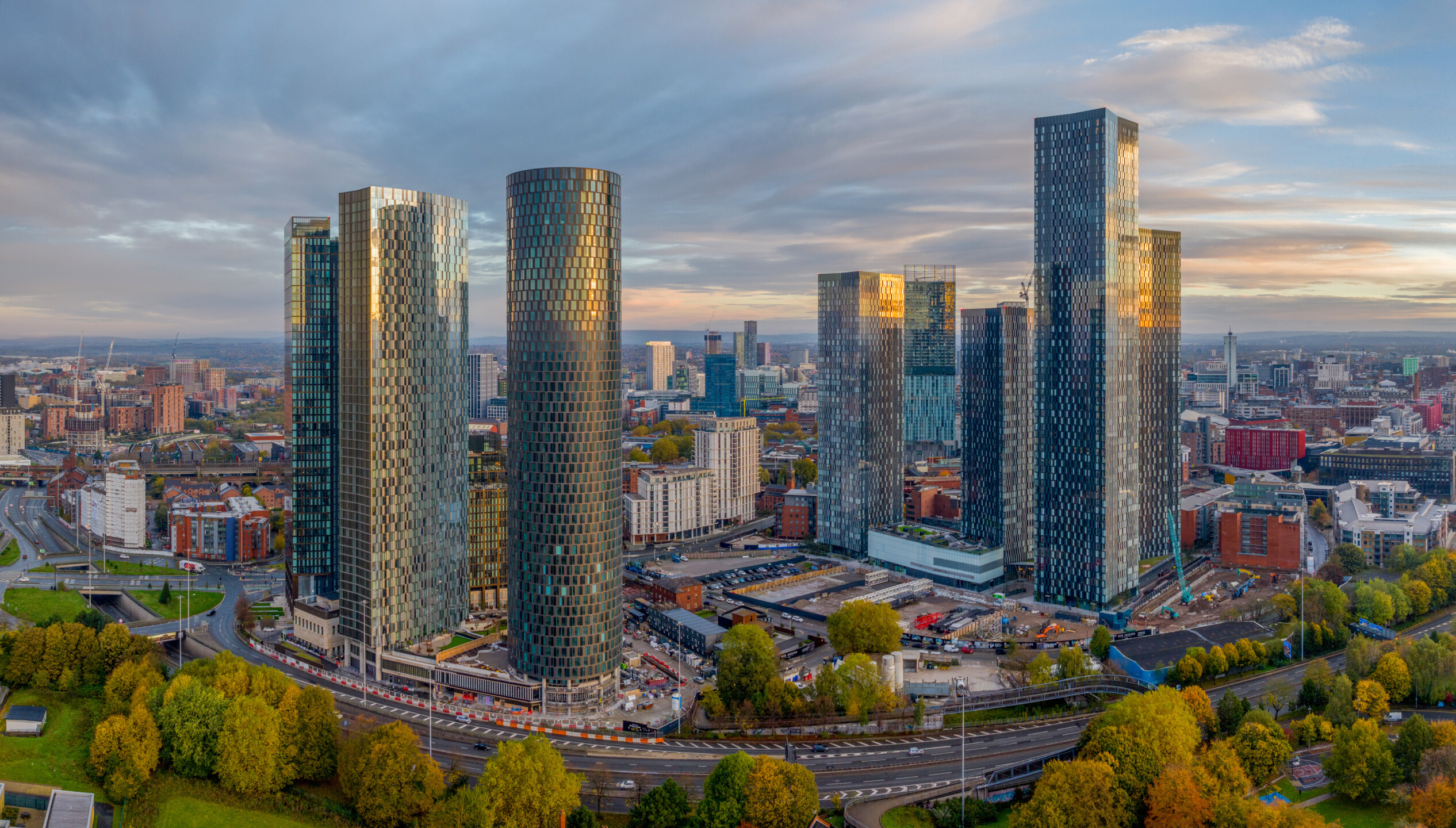
Over the past decade, Manchester Property Investment has gained considerable attention among UK and international investors looking for strong growth potential outside the capital. As one of the UK’s most dynamic cities, Manchester has experienced significant economic development, population growth, and urban regeneration. These factors have helped shape a property market that continues to evolve. For investors considering opportunities in Manchester, understanding current market trends is essential in making informed decisions and maximising long-term returns.
A Growing City with Expanding Demand
One of the most influential trends shaping Manchester’s property market is population growth. The city continues to attract new residents due to its expanding job market, vibrant lifestyle, and strong educational institutions. As more people move to the area, the demand for housing steadily increases.
Young professionals represent a large portion of Manchester’s growing population. Many are drawn to the city for employment opportunities in sectors such as finance, technology, media, and digital industries. With an increasing number of professionals choosing to rent rather than buy, the rental market remains particularly strong.
Students also contribute significantly to housing demand. Universities such as University of Manchester and Manchester Metropolitan University attract thousands of students each year. This constant influx of students creates a reliable market for rental accommodation, particularly in areas close to university campuses.
Continued Regeneration Across the City
Another major trend influencing Manchester property investment is large-scale regeneration. The city has undergone extensive transformation over the past two decades, and development projects continue to reshape many neighbourhoods.
One prominent example is the growth of MediaCityUK, which has become a centre for creative and digital industries. The development has attracted major organisations and thousands of professionals, boosting demand for nearby housing.
In addition, neighbourhoods such as Ancoats and the Northern Quarter have experienced substantial redevelopment. Former industrial areas have been transformed into vibrant residential districts filled with modern apartments, independent businesses, and cultural attractions. These changes have helped increase property values and attract investors seeking long-term capital growth.
Regeneration often plays a key role in property investment strategies. Investors who identify emerging locations early may benefit as infrastructure improves and neighbourhoods become more desirable places to live.
Rising Interest from Domestic and International Investors
Manchester has increasingly become a focus for investors both within the UK and overseas. One reason is that property prices in the city remain relatively competitive compared with those in London.
While London remains the UK’s largest property market, high purchase prices can make it difficult for some investors to achieve attractive rental yields. Manchester, on the other hand, often provides a more accessible entry point while still offering the potential for income and long-term appreciation.
International investors are also recognising Manchester’s potential. The city’s reputation as a major economic hub, combined with its growing global profile, has encouraged overseas buyers to explore opportunities in the local property market.
Strong Rental Market and Yields
Rental demand in Manchester remains one of the city’s most attractive features for investors. With a growing population and a high proportion of renters, landlords can often benefit from consistent tenant demand.
City centre apartments are particularly popular among young professionals working in nearby offices. Many tenants value convenient access to transport links, restaurants, shops, and entertainment venues. As a result, modern developments in central locations tend to perform well in the rental market.
Suburban areas around Manchester also offer opportunities for investors targeting family tenants. Larger homes in residential neighbourhoods can attract longer tenancies, which may provide greater stability for landlords.
Rental yields in Manchester have historically been competitive when compared with other major UK cities. While returns vary depending on property type and location, investors often find that Manchester offers a favourable balance between purchase price and rental income.
Infrastructure Improvements Boosting Connectivity
Infrastructure investment is another trend shaping the future of Manchester’s property market. Improved transport links and connectivity can significantly influence where people choose to live and work.
One of the most widely discussed projects is High Speed 2, which aims to enhance connections between major cities across the UK. Faster travel times between Manchester and London could make the city even more attractive to professionals and businesses.
In addition to national projects, local transport improvements are also taking place. Expansion of tram networks and upgrades to railway stations help support urban growth and improve accessibility across the Greater Manchester region.
Better connectivity often leads to increased demand for housing, particularly in areas close to transport hubs.
Changing Preferences Among Property Buyers and Tenants
Another emerging trend within the Manchester property market is the shift in preferences among tenants and buyers. Lifestyle considerations are playing an increasingly important role in property decisions.
Many renters now prioritise amenities such as green spaces, communal work areas, and proximity to leisure facilities. Developments that incorporate these features may attract greater interest from tenants and achieve higher occupancy rates.
The rise of flexible working has also influenced where people choose to live. While city centre living remains popular, some renters are exploring neighbourhoods slightly further from the centre that offer more space and a stronger sense of community.
Investors who understand these evolving preferences can make more informed choices when selecting properties.
Potential Challenges to Consider
Although Manchester’s property market remains attractive, investors should also be aware of potential challenges. Economic changes, interest rate fluctuations, and government regulations can all influence property investment outcomes.
The supply of new-build apartments has increased in recent years, particularly in the city centre. While these developments provide modern housing options, investors should carefully evaluate whether supply in certain areas might temporarily outpace demand.
Additionally, landlords must stay informed about regulatory requirements affecting rental properties. Compliance with safety standards, energy efficiency regulations, and tenant protection laws is essential for anyone entering the buy-to-let market.
Understanding these factors can help investors manage risks and maintain profitable investments.
Long-Term Outlook for Manchester Property Investment
Despite occasional market fluctuations, the long-term outlook for Manchester remains positive. The city continues to attract businesses, students, and professionals, all of whom contribute to sustained housing demand.
Ongoing regeneration projects, economic growth, and infrastructure improvements are likely to support further development across the region. These factors provide a strong foundation for property investment in the years ahead.
Manchester’s cultural appeal also adds to its attractiveness. From world-class sporting institutions to a thriving music and arts scene, the city offers a vibrant lifestyle that continues to attract new residents.
Conclusion
Manchester has firmly established itself as one of the UK’s most promising property markets. Strong economic growth, population expansion, extensive regeneration, and a robust rental market have all contributed to the city’s rising popularity among investors.
However, successful property investment requires more than simply choosing the right location. Investors must carefully analyse market trends, understand tenant demand, and consider both opportunities and risks before making a purchase.
By staying informed about the latest market developments and taking a long-term perspective, investors can position themselves to benefit from Manchester’s continued growth. For those seeking opportunities outside the capital, Manchester remains a city where property investment can still offer significant potential.


The Story of Claire J. Savage: A Journey of Success

Manchester Property Investment Market Trends Investors Should Know

OER Catalysts: Advancing the Future of Energy Storage

How Jovan Arriaga Honors His Mother, Suzette Arriaga, and Selena’s Memory

Who Is Michael Charles Gosselaar? Inside Mark-Paul Gosselaar’s Family Life

How Verna Aho Supports Lauri Markkanen On and Off the Basketball Court

Who Is Alison Harbaugh? Inside John Harbaugh’s Family Life Beyond Football

How Sebastiana Bierk Connects to Sebastian Bach’s Rock Legacy

How Amanda Levy McKeehan Supports TobyMac’s Career and Family Mission

Who Is Georgiana Bischoff? Inside Richard Thomas’ Wife’s Life and Background
The Story of Claire J. Savage: A Journey of Success
Manchester Property Investment Market Trends Investors Should Know
OER Catalysts: Advancing the Future of Energy Storage
How Jovan Arriaga Honors His Mother, Suzette Arriaga, and Selena’s Memory
Who Is Michael Charles Gosselaar? Inside Mark-Paul Gosselaar’s Family Life
How Verna Aho Supports Lauri Markkanen On and Off the Basketball Court
Who Is Alison Harbaugh? Inside John Harbaugh’s Family Life Beyond Football
How Sebastiana Bierk Connects to Sebastian Bach’s Rock Legacy
How Amanda Levy McKeehan Supports TobyMac’s Career and Family Mission
Who Is Georgiana Bischoff? Inside Richard Thomas’ Wife’s Life and Background

The Private World of Marina Pearl LeBlanc, Matt LeBlanc’s Only Child

What is Shoujo Ramune? The Comprehensive Guide

Who is Amra Nor Jenkins? The Untold Story About Jeezy’s Daughter

The Untold Truth of William Mapel: A Deep Dive into His Personal Life

Who is Christina Erika Carandini Lee? Everything About Christopher Lee’s Daughter

The Rise of Ryan Nikolaos Sampras: From Humble Beginnings to Stardom

The Untold Story of Denika Kisty: Her Family, Net Worth, and More

Who Is Stephanie Sarkisian? All You Need To Know AboutSteve Sarkisian’s Ex-Wife

Ranch World Ads Review: Everything You Need to Know

Who is Nicoletta Ruhl? Age, Family, Bio
-
 Celebrity10 months ago
The Private World of Marina Pearl LeBlanc, Matt LeBlanc’s Only Child
-
 Entertainment1 year ago
What is Shoujo Ramune? The Comprehensive Guide
-
 Life Style1 year ago
Who is Amra Nor Jenkins? The Untold Story About Jeezy’s Daughter
-
 Celebrity1 year ago
The Untold Truth of William Mapel: A Deep Dive into His Personal Life
-
 Celebrity1 year ago
Who is Christina Erika Carandini Lee? Everything About Christopher Lee’s Daughter
-
 Celebrity1 year ago
The Rise of Ryan Nikolaos Sampras: From Humble Beginnings to Stardom
-
 Celebrity1 year ago
The Untold Story of Denika Kisty: Her Family, Net Worth, and More
-
 Celebrity1 year ago
Who Is Stephanie Sarkisian? All You Need To Know AboutSteve Sarkisian’s Ex-Wife