Travel
Nepal’s Hidden Treasures: Kanchenjunga Circuit, Makalu Base Camp, Nar Phu Valley

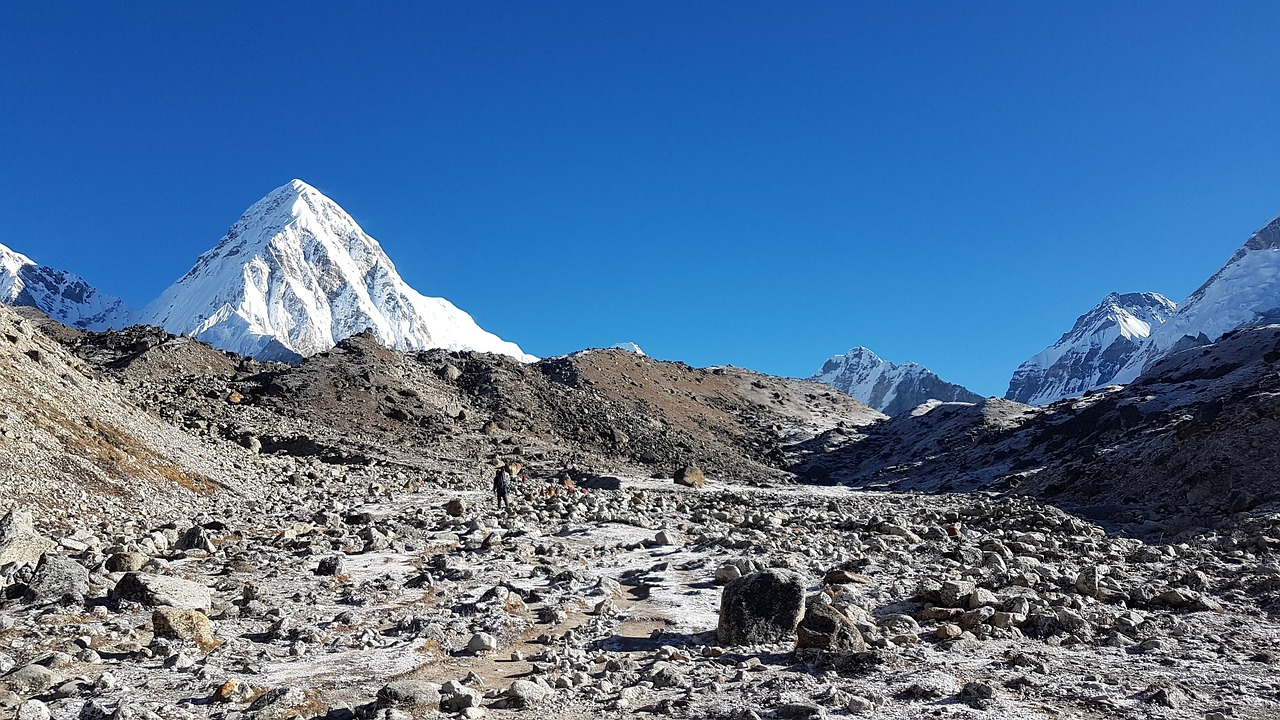
Nepal is not only Everest. Many people think Nepal means Everest Base Camp and Annapurna, nothing more. That is not true at all. Nepal is full of quiet places, deep mountains, old villages, and wild trails where very few travelers go. These places are raw, silent, and powerful. They feel untouched. You walk for hours and hear only wind, river, and your own breath.
Among these hidden places, three treks stand out strongly. Kanchenjunga Circuit Trek, Makalu Base Camp Trek, and Nar Phu Valley Trek. These routes are not easy, not crowded, and not fancy. But they give something rare. Real adventure. Real culture. Real Himalaya.
This article talks about these three hidden treasures of Nepal. Each trek has its own story, its own challenge, and its own beauty. If you love deep trekking, remote paths, and authentic mountain life, these treks are waiting.
Why Choose Hidden Treks in Nepal?
Many trekkers now search for silence. Busy trails are losing charm. Tea houses are crowded. WiFi signs everywhere. That is why hidden treks matter more today.
Remote treks give space to think. You walk longer days, but your heart feels light. You meet local people who still live simple lives. No rush. No fake smiles. Just honest hospitality.
Kanchenjunga, Makalu, and Nar Phu are not for everyone. They need patience, strength, and an open mind. But the reward is big. Very big.
Kanchenjunga Circuit Trek—The Land of the Five Treasures
The Kanchenjunga circuit trek is one of the most remote and wild treks in Nepal. Kanchenjunga is the third highest mountain in the world. The name means “Five Treasures of the Snow.” And yes, it feels like treasure land.
This trek takes you to eastern Nepal, close to the India border. Few trekkers come here each year. The trail is long and challenging. But beauty is everywhere.
Landscapes and Nature
The Kanchenjunga region is very diverse. You start in green hills with rice fields and villages. Slowly you move higher. Forests change. Rhododendron trees bloom in season. Rivers cut deep valleys.
Higher up, everything turns white and rocky. Massive glaciers, icy rivers, and giant peaks surround you. Kanchenjunga mountain stands proud and silent. It feels unreal sometimes.
Wildlife is also rich. Red panda, snow leopard signs, Himalayan birds. You feel like a guest in their home.
Culture and Villages
The villages in the Kanchenjunga area are mostly Limbu, Rai, and Tibetan-influenced people. Their lifestyle is simple. Houses are stone and wood. Farming is the main work.
People smile slowly. They talk less but mean more. Staying in their lodges feels personal. Food is basic but warm. Dal bhat never fails.
Challenge and Reward
The Kanchenjunga Circuit is long. Usually 20 to 25 days. Trails are rough. Some days are very tough. Weather can change fast.
But when you reach both the North and South Base Camps of Kanchenjunga, you forget pain. The views are massive. Silence is deep. You feel very small and very alive.
Makalu Base Camp Trek – Raw and Powerful Himalaya
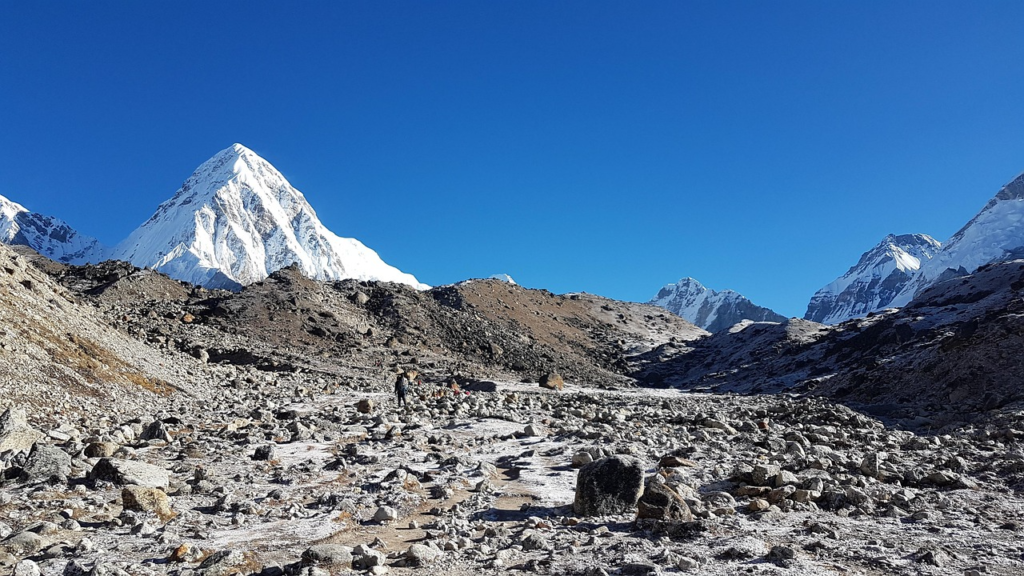
The Makalu base camp trek is for real adventurers. Makalu is the fifth highest mountain in the world. This trek is remote, steep, and wild. Not many tea houses. Not many people. Just nature in strong form.
The Makalu region lies east of Everest. It is part of Makalu Barun National Park, one of the most protected areas in Nepal.
Trail Experience
The trek starts with flights and rough roads. Trails go through dense forest first. Huge trees. Moss everywhere. Leeches sometimes, yes. But the forest feels ancient.
As you climb higher, landscapes open. Alpine meadows appear. Rivers roar loudly. Then suddenly, huge peaks show up. Makalu, Chamlang, Baruntse, and others.
Reaching Makalu Base Camp feels like reaching the edge of the world. Wide open valley. Ice, rocks, and giant mountains all around.
Isolation and Peace
The Makalu Base Camp trek is very quiet. Some days you see no other trekkers. Nights are cold. Stars are bright. No noise.
This trek teaches patience. You walk long hours. Sometimes tired. Sometimes confused. But slowly you connect with mountains.
Difficulty Level
This trek is not easy. Trails are steep. Weather can be harsh. Facilities are limited. You must be prepared.
But for those who want true wilderness, Makalu Base Camp is the perfect choice.
Nar Phu Valley Trek—Lost Kingdom Behind Annapurna
The Narphu valley trek is different. It is hidden behind the Annapurna region but feels like another world. This valley was opened to trekkers only in recent years. Before that, it was isolated for centuries.
Nar and Phu villages are ancient Tibetan-style settlements. Life here moves very slowly.
Culture and Lifestyle
Nar Phu people follow Tibetan Buddhism. Old monasteries sit on cliffs. Prayer flags fly everywhere. Chortens mark trails.
Houses are made from stone and mud. Narrow alleys. Yak herding is common. Fields of barley and potatoes survive in harsh land.
Walking through these villages feels like stepping into the past. Children play with simple toys. Old people spin prayer wheels.
Landscape and Passes
The Nar Phu trek has dramatic landscapes. Narrow gorges. High cliffs. Deep canyons. Snow peaks always watching.
The trek includes high passes like Kang La Pass. From the top, the Annapurna range opens wide. It is breathtaking.
This trek connects culture and adventure perfectly.
Accessibility and Route
The Nar Phu trek is shorter than Kanchenjunga and Makalu. Usually around 10 to 14 days. But altitude is high. Weather can be tricky.
Because it is close to Annapurna, it can be combined with the Annapurna Circuit also.
Comparing the Three Hidden Treks
Each trek is unique. No one is better, only different.
The Kanchenjunga Circuit is long and very remote. Best for trekkers who want full isolation and a long journey.
Makalu Base Camp is raw wilderness. Fewer cultural villages but massive nature. Best for hardcore adventure lovers.
Nar Phu Valley is cultural and mystical. Shorter but intense. Perfect mix of culture and mountain views.
Choosing depends on time, fitness, and interest.
Best Time to Do These Treks
Spring (March to May) and autumn (September to November) are the best seasons.
Spring gives flowers and clear skies. Autumn gives stable weather and sharp views.
Winter is very cold and risky. Monsoon brings rain and landslides.
Planning is very important for these remote treks.
Permits and Guides
All three treks need special permits. Restricted area permits apply.
Hiring an experienced guide is strongly recommended. Trails are not well marked. Safety matters.
Local guides also help support local communities.
Final Thoughts
Nepal’s hidden treasures are not easy to reach. They demand effort, patience, and respect. But they give something rare in return.
The Kanchenjunga Circuit Trek gives a long adventure and deep silence. The Makalu Base Camp Trek gives raw and powerful nature. The Nar Phu Valley Trek gives culture frozen in time.
If you want more than photos. If you want feeling. If you want real Himalaya. These treks are calling.
FAQs
1. Are these treks suitable for beginners?
No, these treks are better for experienced trekkers with good fitness.
2. Do I need a guide for these treks?
Yes, a guide is highly recommended and often required by rules.
3. Which trek is the most remote?
The Kanchenjunga Circuit Trek is the most remote and longest.
4. Can Nar Phu Valley be done alone?
No, it is a restricted area and needs permits and a guide.
5. What is the best season for these treks?
Spring and autumn are the best and safest seasons.


First Ride: Top Cars Perfect for New Drivers

How You Can Help Persecuted Believers Around the World

Helping Aging Parents Move: Tips for a Smooth Senior Living Transition

How Qvidian’s RFP Management Revolutionizes Business Efficiency?

Why Professional Drafting Solutions Are Essential for Modern Projects

The Rise of the Hybrid: Why Modern Campers are Moving Away from Traditional Tents

How to Scale Your Marketing Team Without Traditional Hiring Delays

Pharmacogenomics in Psychiatry: Can a DNA Test End the Medication Guessing Game?

Why Game Development Is Growing in the Digital Era

What You Need to Know About Portable Generators in 2026
First Ride: Top Cars Perfect for New Drivers
How You Can Help Persecuted Believers Around the World
Helping Aging Parents Move: Tips for a Smooth Senior Living Transition
How Qvidian’s RFP Management Revolutionizes Business Efficiency?
Why Professional Drafting Solutions Are Essential for Modern Projects
The Rise of the Hybrid: Why Modern Campers are Moving Away from Traditional Tents
How to Scale Your Marketing Team Without Traditional Hiring Delays
Pharmacogenomics in Psychiatry: Can a DNA Test End the Medication Guessing Game?
Why Game Development Is Growing in the Digital Era
What You Need to Know About Portable Generators in 2026

The Private World of Marina Pearl LeBlanc, Matt LeBlanc’s Only Child

What is Shoujo Ramune? The Comprehensive Guide

Who is Amra Nor Jenkins? The Untold Story About Jeezy’s Daughter

Who is Christina Erika Carandini Lee? Everything About Christopher Lee’s Daughter

The Untold Truth of William Mapel: A Deep Dive into His Personal Life

The Rise of Ryan Nikolaos Sampras: From Humble Beginnings to Stardom

The Untold Story of Denika Kisty: Her Family, Net Worth, and More

Who is Nicoletta Ruhl? Age, Family, Bio

Who Is Stephanie Sarkisian? All You Need To Know AboutSteve Sarkisian’s Ex-Wife

Gomovies Alternatives: Best Free Streaming Platforms
-
 Celebrity10 months ago
The Private World of Marina Pearl LeBlanc, Matt LeBlanc’s Only Child
-
 Entertainment1 year ago
What is Shoujo Ramune? The Comprehensive Guide
-
 Life Style1 year ago
Who is Amra Nor Jenkins? The Untold Story About Jeezy’s Daughter
-
 Celebrity1 year ago
Who is Christina Erika Carandini Lee? Everything About Christopher Lee’s Daughter
-
 Celebrity1 year ago
The Untold Truth of William Mapel: A Deep Dive into His Personal Life
-
 Celebrity1 year ago
The Rise of Ryan Nikolaos Sampras: From Humble Beginnings to Stardom
-
 Celebrity1 year ago
The Untold Story of Denika Kisty: Her Family, Net Worth, and More
-
 Life Style1 year ago
Who is Nicoletta Ruhl? Age, Family, Bio