Tech
OER Catalysts: Advancing the Future of Energy Storage

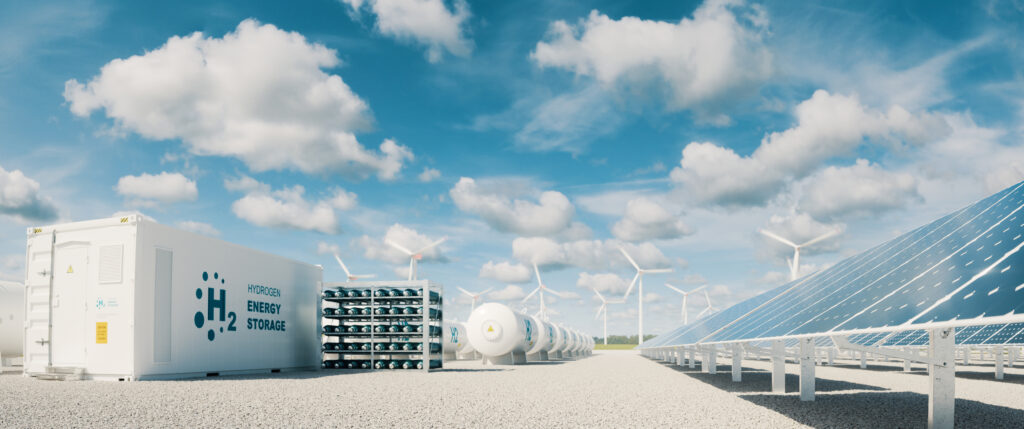
The global transition toward renewable energy sources like solar and wind power depends on one critical factor: effective energy storage. These sources are intermittent, meaning we need a way to store the energy they produce for when the sun isn’t shining or the wind isn’t blowing. This is where technologies like water electrolyzers and rechargeable metal-air batteries come in. Central to their function is a complex chemical process known as the oxygen evolution reaction (OER), and the catalysts that drive it are key to unlocking a sustainable energy future.
This article explores the vital role of OER catalysts in advancing energy storage systems. We will look at why this reaction is so important, the challenges researchers face, and the innovations that are pushing the boundaries of what is possible.
What is the Oxygen Evolution Reaction?
The oxygen evolution reaction is the process of generating oxygen gas from water. In the context of energy storage, it is one half of a larger process called water splitting, where water (H₂O) is broken down into oxygen (O₂) and hydrogen (H₂). The hydrogen can then be stored and used as a clean fuel. OER is also a fundamental reaction in certain types of batteries that use oxygen from the air.
While the concept sounds straightforward, the OER is notoriously slow and energy-intensive. It requires a significant amount of extra energy, known as overpotential, to get started and proceed efficiently. This is where catalysts become essential.
The Role of a Catalyst
An OER catalyst is a material that speeds up the oxygen evolution reaction without being consumed in the process. By lowering the overpotential, catalysts make the entire energy storage system more efficient. A good catalyst helps produce more oxygen (and therefore more stored hydrogen fuel) using less energy. This improves the economic viability and overall performance of technologies like green hydrogen production facilities and advanced batteries.
Key Challenges in Developing OER Catalysts
Scientists and engineers face several significant hurdles in designing the perfect OER catalyst. The ideal material must be highly active, stable over long periods, and made from abundant, low-cost elements. Finding a single material that meets all these criteria is a major scientific challenge.
The Efficiency and Stability Dilemma
Many of the most effective catalysts for OER operate best in harsh chemical environments, such as highly acidic or alkaline solutions. These conditions can cause the catalyst material to degrade or dissolve over time, reducing its effectiveness and the lifespan of the energy storage device. For example, materials like iridium oxide are highly active and stable but are also exceptionally rare and expensive, which limits their widespread use. The primary goal for researchers is to create a catalyst that is both highly efficient and durable enough for long-term industrial applications.
The Search for Earth-Abundant Materials
Another major focus is moving away from catalysts based on precious metals. To make green hydrogen and other OER-dependent technologies globally scalable, the catalysts must be affordable. This has spurred a massive research effort into catalysts made from earth-abundant metals like iron, nickel, and cobalt. These materials are much less expensive, but they often lack the performance and stability of their precious-metal counterparts. Developing strategies to enhance the activity and durability of these abundant materials is a frontier of modern materials science.
Innovations in Catalyst Design
To overcome these challenges, researchers are developing innovative new materials and structures. Instead of using single metals, scientists are creating complex alloys, metal oxides, and layered structures that combine the strengths of different elements.
Nanostructuring for Enhanced Performance
One of the most promising approaches is nanostructuring. By designing catalysts at the nanoscale, researchers can dramatically increase the surface area available for the reaction to occur. More surface area means more active sites, which leads to a higher rate of oxygen production. Techniques involve creating nanoparticles, nanowires, or porous foams that maximize the catalyst’s exposure to water molecules, boosting its overall efficiency.
Combining Materials for Synergy
Another successful strategy is the creation of composite materials. By combining different types of catalyst materials, scientists can create a synergistic effect where the final product is more active and stable than any of its individual components. This approach allows for the development of highly effective catalysts while minimizing the use of expensive or rare elements. These advancements are paving the way for the next generation of electrolyzers and batteries that are both powerful and cost-effective.
The Future of Energy Storage
OER catalysts are a cornerstone of future energy storage systems. As researchers continue to innovate, we can expect to see more efficient, stable, and affordable catalysts emerge. These breakthroughs will accelerate the adoption of green hydrogen and other clean energy technologies, helping to build a more sustainable and resilient global energy grid.




OER Catalysts: Advancing the Future of Energy Storage

How Jovan Arriaga Honors His Mother, Suzette Arriaga, and Selena’s Memory

Who Is Michael Charles Gosselaar? Inside Mark-Paul Gosselaar’s Family Life

How Verna Aho Supports Lauri Markkanen On and Off the Basketball Court

Who Is Alison Harbaugh? Inside John Harbaugh’s Family Life Beyond Football

How Sebastiana Bierk Connects to Sebastian Bach’s Rock Legacy

How Amanda Levy McKeehan Supports TobyMac’s Career and Family Mission

Who Is Georgiana Bischoff? Inside Richard Thomas’ Wife’s Life and Background

The Role of Katherine Sanborn in Phil Hellmuth’s Personal and Professional Growth

Creating a Comfortable Home Environment for Paralyzed Loved Ones
OER Catalysts: Advancing the Future of Energy Storage
How Jovan Arriaga Honors His Mother, Suzette Arriaga, and Selena’s Memory
Who Is Michael Charles Gosselaar? Inside Mark-Paul Gosselaar’s Family Life
How Verna Aho Supports Lauri Markkanen On and Off the Basketball Court
Who Is Alison Harbaugh? Inside John Harbaugh’s Family Life Beyond Football
How Sebastiana Bierk Connects to Sebastian Bach’s Rock Legacy
How Amanda Levy McKeehan Supports TobyMac’s Career and Family Mission
Who Is Georgiana Bischoff? Inside Richard Thomas’ Wife’s Life and Background
The Role of Katherine Sanborn in Phil Hellmuth’s Personal and Professional Growth
Creating a Comfortable Home Environment for Paralyzed Loved Ones

The Private World of Marina Pearl LeBlanc, Matt LeBlanc’s Only Child

What is Shoujo Ramune? The Comprehensive Guide

Who is Amra Nor Jenkins? The Untold Story About Jeezy’s Daughter

The Untold Truth of William Mapel: A Deep Dive into His Personal Life

Who is Christina Erika Carandini Lee? Everything About Christopher Lee’s Daughter

The Rise of Ryan Nikolaos Sampras: From Humble Beginnings to Stardom

The Untold Story of Denika Kisty: Her Family, Net Worth, and More

Who Is Stephanie Sarkisian? All You Need To Know AboutSteve Sarkisian’s Ex-Wife

Ranch World Ads Review: Everything You Need to Know

Who is Nicoletta Ruhl? Age, Family, Bio
-
 Celebrity10 months ago
The Private World of Marina Pearl LeBlanc, Matt LeBlanc’s Only Child
-
 Entertainment1 year ago
What is Shoujo Ramune? The Comprehensive Guide
-
 Life Style1 year ago
Who is Amra Nor Jenkins? The Untold Story About Jeezy’s Daughter
-
 Celebrity1 year ago
The Untold Truth of William Mapel: A Deep Dive into His Personal Life
-
 Celebrity1 year ago
Who is Christina Erika Carandini Lee? Everything About Christopher Lee’s Daughter
-
 Celebrity1 year ago
The Rise of Ryan Nikolaos Sampras: From Humble Beginnings to Stardom
-
 Celebrity1 year ago
The Untold Story of Denika Kisty: Her Family, Net Worth, and More
-
 Celebrity1 year ago
Who Is Stephanie Sarkisian? All You Need To Know AboutSteve Sarkisian’s Ex-Wife