Blog
The Real Reason Roof Leaks Keep Coming Back After Temporary Fixes

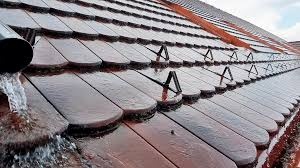
A roof leak rarely starts as a major problem. It often begins with a small drip, a damp patch on the ceiling, or a minor stain that seems easy to manage. Many property owners respond with quick fixes such as sealants, patches, or temporary coverings. While these solutions may stop the leak for a short time, the problem often returns.
The reason is simple. Most temporary fixes treat the visible symptom, not the underlying cause. Without proper roof repair, the issue continues to develop beneath the surface. Over time, this leads to repeated leaks, increasing damage, and higher repair costs.
Understanding why roof leaks keep coming back is essential if you want a long-term solution rather than ongoing frustration.
Temporary Fixes Only Address Surface-Level Issues
When a leak appears, the instinct is to stop the water immediately. This often leads to quick repairs such as applying sealant, replacing a tile, or covering the affected area. While this can provide short-term relief, it does not solve the root cause of the leak.
Water rarely enters exactly where it becomes visible inside the property. It can travel along beams, insulation, and roofing layers before showing signs indoors. As a result, the actual source of the leak remains untreated.
Without proper inspection and accurate roof repair, the same issue continues to allow water into the structure. The temporary fix simply delays the inevitable.
Hidden Damage Beneath the Roof Surface
Roof leaks are often more complex than they appear. What looks like a minor issue on the surface may involve deeper structural problems. Water can seep into underlayment, insulation, and timber supports without immediate detection.
Over time, this hidden moisture weakens materials and creates the ideal environment for mould and rot. Even if the visible leak is patched, the internal damage continues to spread.
This is one of the main reasons leaks return. The underlying structure has already been compromised, and without proper leaking roof repair, the roof cannot effectively keep water out.
Poor Drainage and Water Flow Issues
Another common cause of recurring leaks is poor water drainage. Blocked gutters, damaged downpipes, or incorrect roof slopes can cause water to pool in certain areas. Standing water increases pressure on roofing materials and finds its way through even small gaps.
Temporary fixes do not address these drainage issues. You may seal one area, but water will simply find another entry point.
Effective leaking roof repair involves identifying how water moves across the roof and ensuring it is directed away properly. Without this step, leaks are likely to reappear.
Ageing Roofing Materials
Roofing materials naturally deteriorate over time. Exposure to sun, rain, and temperature changes causes materials to expand, contract, and weaken. Tiles can crack, metal sheets can corrode, and sealants can break down.
If the roof is already ageing, temporary fixes will not hold for long. New patches applied to old materials often fail because the surrounding structure is no longer stable.
A proper leaking roof repair considers the overall condition of the roof, not just the damaged area. In some cases, sections of the roof may need replacement to prevent ongoing issues.
Incorrect Installation or Previous Repairs
Many recurring leaks can be traced back to poor installation or low-quality previous repairs. Flashing around chimneys, vents, and skylights is a common problem area. If these components are not installed correctly, they create weak points where water can enter.
Temporary fixes often cover these areas without correcting the original mistake. This leads to repeated failures, especially during heavy rain or storms.
Professional leaking roof repair focuses on correcting installation issues rather than simply covering them. This ensures the problem does not return.
Weather Conditions Expose Weak Points
Roof leaks often reappear during extreme weather conditions. Heavy rain, strong winds, and storms place additional stress on the roof. Areas that were previously patched may not withstand these conditions.
Wind-driven rain can force water under tiles or into small gaps that were not properly sealed. Temperature changes can also cause materials to shift, reopening previously repaired areas.
Without a thorough roof repair, these weak points remain vulnerable. Each weather event increases the likelihood of the leak returning.
Moisture Builds Up Over Time
Even after a temporary fix, moisture may still be trapped inside the roof structure. This lingering moisture continues to affect materials, causing gradual deterioration.
Timber can weaken, insulation can lose effectiveness, and mould can develop. These issues create new pathways for water to enter, leading to recurring leaks.
Addressing moisture is a critical part of any effective leaking roof repair. Without it, the problem is only partially resolved.
Why Proper Diagnosis Matters
The key difference between a temporary fix and a long-term solution is accurate diagnosis. Identifying the true source of the leak requires experience and a detailed inspection of the entire roofing system.
This includes checking tiles, flashing, gutters, underlayment, and structural components. Without this level of assessment, it is easy to miss the actual cause.
A professional approach to leaking roof repair ensures that all contributing factors are identified and addressed, not just the visible symptoms.
The Long-Term Cost of Repeated Temporary Fixes
While temporary fixes may seem cost-effective, they often lead to higher expenses over time. Repeated repairs, ongoing damage, and potential structural issues can significantly increase overall costs.
In addition, recurring leaks can damage ceilings, walls, electrical systems, and personal belongings. The longer the issue persists, the more extensive the damage becomes.
Investing in proper leaking roof repair from the start helps avoid these ongoing costs and provides lasting protection for the property.
How to Prevent Recurring Roof Leaks
Preventing recurring leaks requires a proactive approach. Regular roof inspections help identify early signs of damage before they become serious issues. Cleaning gutters, checking drainage, and maintaining roofing materials are essential steps.
It is also important to address small problems immediately with the right solution rather than relying on temporary fixes. This reduces the risk of larger structural damage.
Working with experienced professionals ensures that repairs are carried out correctly and that the roof remains in good condition over time.
Conclusion
Roof leaks keep coming back because temporary fixes do not address the real problem. They may stop the visible symptoms, but the underlying issue continues to develop beneath the surface.
Whether the cause is hidden damage, poor drainage, ageing materials, or incorrect installation, a lasting solution requires proper diagnosis and repair. Relying on short-term fixes only delays the problem and increases the risk of further damage.
Choosing the right approach to leaking roof repair ensures that the issue is resolved at its source, protecting the structure and preventing repeated leaks in the future.


How to go viral: Lessons from top social media creators

The Most Common Car Problems Drivers Ignore Until It’s Too Late

Why Ignoring Minor Pest Activity Can Lead to Structural Damage Over Time

The Real Reason Roof Leaks Keep Coming Back After Temporary Fixes

Should I Repair or Replace My 10-Year-Old Hot Water System?

How to Price Your Perfume for the Right Balance for Profit

Understanding Your Treatment Options for Thyroid Autoimmune Conditions

The Rise of Women in Coffee Farming Worldwide

24/7 Electrician in Worcester: Fast, Safe & Certified Solutions

Streamlining Your Business: The Expert Entrepreneur’s Guide
How to go viral: Lessons from top social media creators
The Most Common Car Problems Drivers Ignore Until It’s Too Late
Why Ignoring Minor Pest Activity Can Lead to Structural Damage Over Time
The Real Reason Roof Leaks Keep Coming Back After Temporary Fixes
Should I Repair or Replace My 10-Year-Old Hot Water System?
How to Price Your Perfume for the Right Balance for Profit
Understanding Your Treatment Options for Thyroid Autoimmune Conditions
The Rise of Women in Coffee Farming Worldwide
24/7 Electrician in Worcester: Fast, Safe & Certified Solutions
Streamlining Your Business: The Expert Entrepreneur’s Guide

The Private World of Marina Pearl LeBlanc, Matt LeBlanc’s Only Child

What is Shoujo Ramune? The Comprehensive Guide

Who is Amra Nor Jenkins? The Untold Story About Jeezy’s Daughter

Who is Christina Erika Carandini Lee? Everything About Christopher Lee’s Daughter

The Untold Truth of William Mapel: A Deep Dive into His Personal Life

The Rise of Ryan Nikolaos Sampras: From Humble Beginnings to Stardom

The Untold Story of Denika Kisty: Her Family, Net Worth, and More

Who is Nicoletta Ruhl? Age, Family, Bio

Who Is Stephanie Sarkisian? All You Need To Know AboutSteve Sarkisian’s Ex-Wife

Gomovies Alternatives: Best Free Streaming Platforms
-
 Celebrity11 months ago
The Private World of Marina Pearl LeBlanc, Matt LeBlanc’s Only Child
-
 Entertainment1 year ago
What is Shoujo Ramune? The Comprehensive Guide
-
 Life Style1 year ago
Who is Amra Nor Jenkins? The Untold Story About Jeezy’s Daughter
-
 Celebrity1 year ago
Who is Christina Erika Carandini Lee? Everything About Christopher Lee’s Daughter
-
 Celebrity1 year ago
The Untold Truth of William Mapel: A Deep Dive into His Personal Life
-
 Celebrity1 year ago
The Rise of Ryan Nikolaos Sampras: From Humble Beginnings to Stardom
-
 Celebrity1 year ago
The Untold Story of Denika Kisty: Her Family, Net Worth, and More
-
 Life Style1 year ago
Who is Nicoletta Ruhl? Age, Family, Bio