Blog
What to Expect During a Residential Construction Project From Planning to Completion

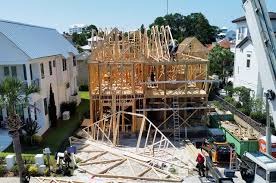
Starting a residential construction project is a significant decision that requires careful planning, clear communication, and professional oversight. Homeowners frequently inquire about timelines, responsibilities, and the progression of the process from the initial conversation to the concluding walkthrough. When working with a general contractor, understanding each phase of construction helps reduce uncertainty and supports a smoother experience. Knowing what to anticipate before construction starts enables Tampa property owners to make well-informed decisions and have reasonable expectations.
Initial planning and project evaluation
Every residential construction project begins with a detailed planning phase. During this stage, homeowners discuss goals, scope, budget considerations, and design preferences. During this phase, homeowners define the space’s use, identify necessary changes, and prioritize features. Accurate planning sets the foundation for the entire project and helps avoid delays or revisions later.
A thorough site evaluation is also completed to assess existing conditions. Structural elements, utilities, and property layout are reviewed to identify any limitations or special requirements. Clear documentation at this stage supports accurate scheduling and cost estimates.
Design development and approvals
Once planning is complete, the project moves into design development. Architectural drawings, material selections, and layout details are finalized to reflect the homeowner’s vision while meeting local building requirements. This phase ensures that functionality, safety, and appearance are aligned before construction begins.
Permits and approvals are obtained during this stage. Residential construction must comply with municipal codes and inspection standards. Proper permitting protects homeowners and ensures the project is completed in accordance with legal and safety guidelines.
Construction scheduling and preparation
After approvals are secured, a construction schedule is established. This timeline outlines key phases, including demolition, framing, mechanical work, and finishing. While timelines can vary based on project complexity and material availability, a clear schedule helps homeowners understand what to expect throughout the process.
Preparation may include ordering materials, coordinating subcontractors, and setting up the job site. Homeowners are informed of any steps needed to prepare the property, such as clearing areas or arranging temporary accommodations if required.
Active construction phase
The construction phase is where plans become reality. Work progresses through defined stages, beginning with structural changes and then moving to electrical, plumbing, and interior finishes. Regular communication keeps homeowners informed about progress and addresses questions as they arise.
Professional oversight during construction is essential. Coordination among trades ensures work is completed in the correct sequence and meets quality standards. Inspections are scheduled at required milestones to verify compliance with building codes.
Managing changes and expectations
Even with detailed planning, adjustments may be necessary. Material substitutions, design refinements, or unforeseen conditions can arise. Clear communication allows changes to be evaluated and approved before work continues. Transparency during this phase helps maintain trust and keeps the project aligned with expectations.
A well-managed construction process prioritizes problem-solving while minimizing disruption to the homeowner’s routine.
Final inspection and project completion
As construction nears completion, finishing details are addressed, and the site is prepared for final inspection. This includes reviewing workmanship, confirming functionality, and ensuring all approved plans have been followed. Any remaining items are resolved before project closeout.
The final walkthrough allows homeowners to review the completed work and ask questions about maintenance or care. Proper documentation and guidance support confident ownership moving forward.
Frequently asked questions about residential construction
How long does a residential construction project take?
Timelines vary based on scope, design complexity, and permitting requirements. A detailed schedule is provided before construction begins.
Do I need to move out during construction?
Not always. Some projects allow homeowners to remain in the home, while others may require temporary relocation.
How are costs controlled during construction?
Clear planning, accurate estimates, and communication about changes help manage costs effectively.
Who handles permits and inspections?
The contractor manages permitting and coordinates required inspections throughout the project.
Building with confidence
Residential construction is a structured process that benefits from experience, planning, and clear communication. Understanding each phase helps homeowners feel prepared and confident as their project progresses. Working with a qualified professional ensures that construction is completed safely, efficiently, and to a high standard.
For trusted residential construction services in Tampa and experienced guidance from a reliable general contractor, contact Hybrid Construction to discuss your project goals and begin planning with confidence.


Wedding Flowers Cheltenham: A Complete Guide for Modern Couples

Florida, Texas & New Jersey Construction Estimating Services

Commercial Moving Strategies That Keep Businesses Operating Smoothly

Affordable Scaffolding Solihull Solutions for Every Project

How Living Near the Beaches Enhances Everyday Life and Leisure

When Should a Diesel Truck Be Serviced? Warning Signs Drivers Should Not Ignore

How Junk Removal and Donation Pickup Can Simplify Your Move

What to Expect During a Residential Construction Project From Planning to Completion

Is Winter the Right Time for a New Roof Installation in Florida

Kipflix – The Future of Online Streaming and Digital Entertainment
Wedding Flowers Cheltenham: A Complete Guide for Modern Couples
Florida, Texas & New Jersey Construction Estimating Services
Commercial Moving Strategies That Keep Businesses Operating Smoothly
Affordable Scaffolding Solihull Solutions for Every Project
How Living Near the Beaches Enhances Everyday Life and Leisure
When Should a Diesel Truck Be Serviced? Warning Signs Drivers Should Not Ignore
How Junk Removal and Donation Pickup Can Simplify Your Move
What to Expect During a Residential Construction Project From Planning to Completion
Is Winter the Right Time for a New Roof Installation in Florida
Kipflix – The Future of Online Streaming and Digital Entertainment

The Private World of Marina Pearl LeBlanc, Matt LeBlanc’s Only Child

Who is Amra Nor Jenkins? The Untold Story About Jeezy’s Daughter

What is Shoujo Ramune? The Comprehensive Guide

The Untold Truth of William Mapel: A Deep Dive into His Personal Life

Ranch World Ads Review: Everything You Need to Know

Who is Christina Erika Carandini Lee? Everything About Christopher Lee’s Daughter

Who Is Stephanie Sarkisian? All You Need To Know AboutSteve Sarkisian’s Ex-Wife

The Untold Story of Denika Kisty: Her Family, Net Worth, and More

Jill Wagner Accident: Life and Health After Accident

The Rise of Ryan Nikolaos Sampras: From Humble Beginnings to Stardom
-
 Celebrity8 months ago
The Private World of Marina Pearl LeBlanc, Matt LeBlanc’s Only Child
-
 Life Style1 year ago
Who is Amra Nor Jenkins? The Untold Story About Jeezy’s Daughter
-
 Entertainment1 year ago
What is Shoujo Ramune? The Comprehensive Guide
-
 Celebrity1 year ago
The Untold Truth of William Mapel: A Deep Dive into His Personal Life
-
 News1 year ago
Ranch World Ads Review: Everything You Need to Know
-
 Celebrity1 year ago
Who is Christina Erika Carandini Lee? Everything About Christopher Lee’s Daughter
-
 Celebrity1 year ago
Who Is Stephanie Sarkisian? All You Need To Know AboutSteve Sarkisian’s Ex-Wife
-
 Celebrity1 year ago
The Untold Story of Denika Kisty: Her Family, Net Worth, and More