Blog
Why Story-Based Branding Converts Better

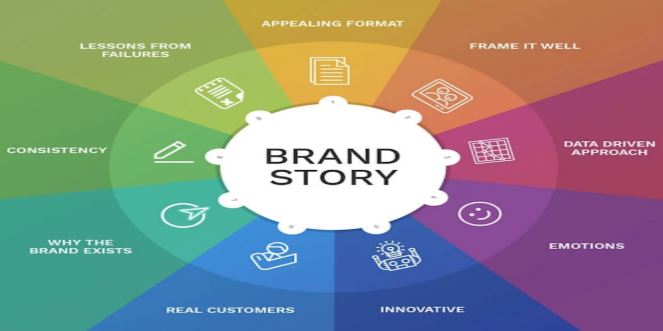
With the constant presence of advertisements, promotions, and nonstop content in the digital world. The curve has changed as far as audience response to traditional marketing messages is concerned. They are still the ones who get sales pitches, but they will only stop for stories. This shift has led to the rise of story-based branding as a powerful trust-building, engagement, and conversion strategy among others. Companies that know the art of storytelling are those that not only get the audience’s attention but also get the most out of their viral impressions and convert the audience into loyal clients.
What Is Story-Based Branding?
The technique of conveying messages via storytelling rather than using direct advertisement has been termed story-based branding. Stories like the brand’s mission, values, difficulties faced, victories celebrated, and experiences of the customers are told in a very simple and easy-to-understand way.
Story-based branding does not ask the question, What do we sell? Instead, it provides the following answers:
- What is the reason for the brand’s existence?
- Who benefits from it?
- What issue does it address?
- What is its impact?
The method makes brands appear more human, and it is the emotional connection that causes the consumer to act.
The Psychology Behind Stories and Conversion
It is a natural trait of humans to narrate stories. According to neuroscience, narratives have such a strong hold on emotions and memories that they both outdo straightforward facts in this respect. Just then, when the spectators have formed a very close emotional bond with the characters, they can be trusted, remembered, and acted upon.
Branding using stories:
- Attracts the attention almost instantly
- Establishes a deep emotional connection
- Creates a reputation of trust and positivity
- Aids in remembering the message
These psychological factors have a direct impact on customers’ choice of products, thereby allowing storytelling to be a potent means of conversion.
Stories Build Trust Faster Than Ads
One-sided and promotional are the common characteristics of traditional advertising. However, stories are the ones that feel true and engaging. Brands that tell their true stories through hardships or even customer success stories tend to be humanized and to lose their remoteness.
Trust is the main factor in bringing about the three: engagement that is higher, relationships that are stronger, and sales that are larger. The brands that adopt a more consistent and truthful way of telling their stories find it easier to win the largest number of viral impressions, since getting audiences emotionally linked is actually the same as their content being shared naturally.
Story-Based Branding and Social Sharing
Narratives are naturally sharable. The content that stirs emotion, be it inspiration, empathy, or thrill, gets faster spread over social networks.
Story-telling content:
- Gets more likes, comments, and shares
- Grows organic reach
- Creates community interaction
- Increases brand awareness
This natural promotion allows companies to enjoy viral impressions that are not only through the use of paid advertisements.
The Impact of Storytelling on Search Engine Visibility
Story-based content doesn’t just perform well with audiences; it performs well with search engines, too. The fact that storytelling captivates makes people hang around for a while on your site and helps in lessening the bounce rate.
SEO advantages include:
- Increased time on page
- Higher engagement signals
- Better content relevance
- Improved organic rankings
When stories engagingly answer user intent, they naturally support your goal to maximize your viral impressions and search visibility.
Storytelling Across the Customer Journey
Story-based branding is effective at every stage of the customer journey:
- Awareness: Brand origin and mission stories
- Consideration: Customer success stories and case studies
- Conversion: Problem-solution narratives
- Retention: Community and growth stories
Each touchpoint reinforces trust and encourages action.
Conclusion
Story-driven branding is more effective since it connects with human feelings, earns trust, and makes relationships last. Storytelling, in the form of short formats or complete narratives, is the main source of compelling and thus, the most accessible, attracting audience messages in today’s noisy digital landscape.
If you want to achieve the biggest viral impact and, at the same time, or even as a consequence, enormous sales. The storytelling should be at the very heart of your branding plans. Smart and stimulating tales not only make your brand more prominent but also make it hard for customers to forget and thus make their choice easier over the rivals.


Who Is Priscilla Esterline? All You Need To Know About John Mellencamp’s First Wife

Who Is Jon Eicholtz? The Life And Legacy of Barbara Eden’s Husband

Who Is Beata Galloway? The Untold Story Of Scott Galloway’s Wife

Creating Parent Albums: A Thoughtful Gift That Lasts for Generations

How to Build a Recognizable Online Style

The Emotional Side of Brand Loyalty

Why Story-Based Branding Converts Better

How to Build a Sustainable Online Business

The Rise of Purpose-Driven Branding

Why Transparency Strengthens Brands
Who Is Priscilla Esterline? All You Need To Know About John Mellencamp’s First Wife
Who Is Jon Eicholtz? The Life And Legacy of Barbara Eden’s Husband
Who Is Beata Galloway? The Untold Story Of Scott Galloway’s Wife
Creating Parent Albums: A Thoughtful Gift That Lasts for Generations
How to Build a Recognizable Online Style
The Emotional Side of Brand Loyalty
Why Story-Based Branding Converts Better
How to Build a Sustainable Online Business
The Rise of Purpose-Driven Branding
Why Transparency Strengthens Brands

The Private World of Marina Pearl LeBlanc, Matt LeBlanc’s Only Child

Who is Amra Nor Jenkins? The Untold Story About Jeezy’s Daughter

What is Shoujo Ramune? The Comprehensive Guide

The Untold Truth of William Mapel: A Deep Dive into His Personal Life

Who is Christina Erika Carandini Lee? Everything About Christopher Lee’s Daughter

The Rise of Ryan Nikolaos Sampras: From Humble Beginnings to Stardom

Who Is Stephanie Sarkisian? All You Need To Know AboutSteve Sarkisian’s Ex-Wife

The Untold Story of Denika Kisty: Her Family, Net Worth, and More

Ranch World Ads Review: Everything You Need to Know

Jill Wagner Accident: Life and Health After Accident
-
 Celebrity9 months ago
The Private World of Marina Pearl LeBlanc, Matt LeBlanc’s Only Child
-
 Life Style1 year ago
Who is Amra Nor Jenkins? The Untold Story About Jeezy’s Daughter
-
 Entertainment1 year ago
What is Shoujo Ramune? The Comprehensive Guide
-
 Celebrity1 year ago
The Untold Truth of William Mapel: A Deep Dive into His Personal Life
-
 Celebrity1 year ago
Who is Christina Erika Carandini Lee? Everything About Christopher Lee’s Daughter
-
 Celebrity1 year ago
The Rise of Ryan Nikolaos Sampras: From Humble Beginnings to Stardom
-
 Celebrity1 year ago
Who Is Stephanie Sarkisian? All You Need To Know AboutSteve Sarkisian’s Ex-Wife
-
 Celebrity1 year ago
The Untold Story of Denika Kisty: Her Family, Net Worth, and More