Business
Budget Home Improvements That Actually Add Value — And Why Waterproofing Paints Should Top Your List

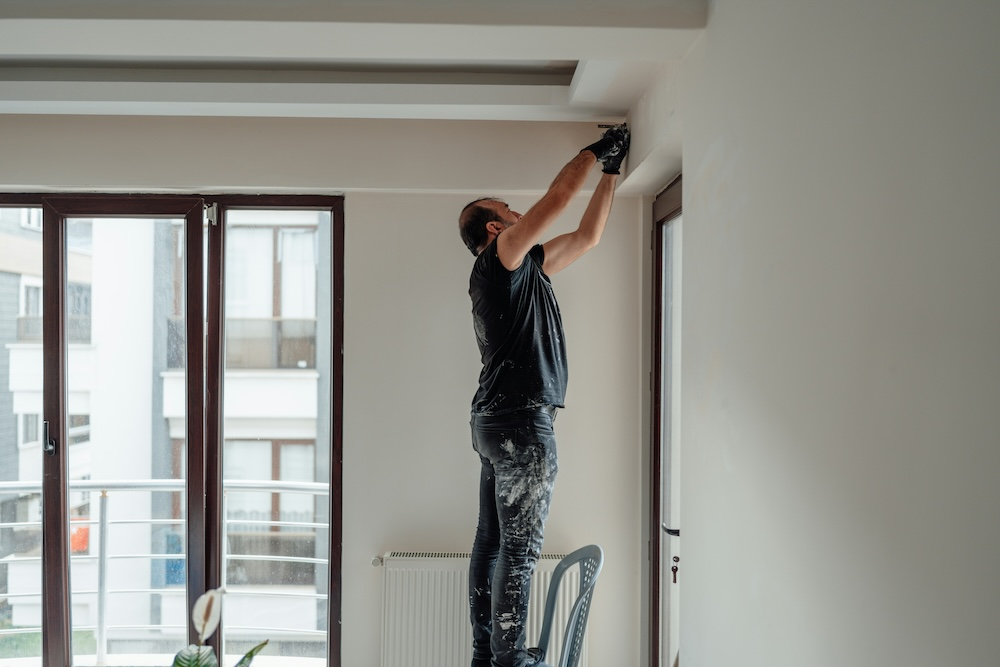
When it comes to improving your home without breaking the bank, most people head straight for the obvious: a fresh coat of paint in the living room, new cabinet handles in the kitchen, or a trendy light fixture in the hallway. Some even draw inspiration from global interior trends; the rise of decorative paint Dubai-style finishes, for instance, has influenced homeowners worldwide to think more boldly about their walls. These are fine upgrades, but they rarely protect your home’s value in any meaningful way.
In 2026, savvy UK homeowners are shifting their thinking. Rather than asking “what looks good?”, they’re asking “what protects my investment?”, and that question often leads to one underrated answer: waterproofing.
The Hidden Damage You Can’t Afford to Ignore
Damp is one of the most common and costly problems facing UK homes. The British climate, with its relentless rain, cold winters, and condensation-prone interiors, creates ideal conditions for moisture to creep into walls, floors, and ceilings. Left unchecked, this leads to mould, peeling plaster, structural damage, and poor indoor air quality.
The frustrating part? By the time the damage is visible, you’re already looking at a much bigger repair bill. Standard damp proofing treatments can cost anywhere from £500 to over £2,000, depending on the severity, costs that could largely be avoided with earlier preventative action.
That’s where waterproofing paints come in.
What Are These Protective Coatings and Why Do They Matter?
Waterproofing paints are specially formulated coatings designed to form a barrier that stops moisture from penetrating walls, ceilings, floors, and other surfaces. Unlike standard emulsions, they’re built to resist water pressure, inhibit mould and mildew growth, and protect surfaces against the long-term effects of dampness.
They can be applied to a wide range of materials: brick, plaster, masonry, concrete, wood, and even metal, making them one of the most versatile tools in a homeowner’s arsenal. And crucially, they are one of the most affordable protective measures you can take. A quality tin typically costs between £15 and £60, making it a genuinely budget-friendly investment.
Where to Use Waterproofing Paints in Your Home
Bathrooms and kitchens are the obvious starting points. These are the rooms where moisture is produced daily, and standard paint simply isn’t up to the job over time. Applying a moisture-resistant coating to walls around showers, baths, and splashback areas reduces the risk of damp patches and mould significantly, and keeps tiling and fixtures looking better for longer.
Basements and utility rooms benefit enormously, too. These below-ground or poorly ventilated spaces are particularly vulnerable to rising damp and condensation. A coat of specialist protective paint on the walls can transform a dank, unusable space into a functional space, without requiring a full damp-proofing contractor job.
Exterior walls are another smart application. Masonry paint with waterproofing properties can shield your brickwork from driving rain and frost, protecting the external fabric of your home and reducing heat loss through saturated walls.
Flat roofs and outbuildings, which are often overlooked during a home refresh, can also be treated with liquid rubber waterproofing coatings that provide up to a decade of protection from a single application.
The Real Value Add: What Buyers and Surveyors Actually Care About
When a surveyor inspects a property, signs of damp are among the most significant red flags. They can trigger price reductions, mortgage complications, and even pull a sale apart entirely. Addressing moisture issues proactively and demonstrating that you’ve done so are among the most practical ways to preserve and enhance your home’s market value.
According to renovation experts, the biggest mistake homeowners make is focusing on cosmetic improvements while neglecting underlying structural or moisture issues. A freshly painted hallway does nothing to impress a buyer if a surveyor discovers damp in the basement two weeks later.
By contrast, homes that have been properly waterproofed and maintained tend to sail through surveys and command stronger offers.
How to Get Started Without Overspending
The good news is you don’t need to hire a professional for most waterproofing paint applications. Many products are designed for DIY use and can be applied with a standard brush or roller after basic surface preparation: cleaning, removing loose material, and allowing the surface to dry.
A few things to keep in mind:
- Choose the right product for the job. Acrylic-based formulas work well for interior walls and ceilings. Elastomeric or masonry paints are better for exterior surfaces. Epoxy coatings are suitable for basement floors and concrete.
- Don’t skip surface prep. Even the best protective coating won’t perform well on a dusty, flaky, or contaminated surface. A clean, sound substrate is essential.
- Address the source, not just the symptom. These products help prevent moisture ingress, but if you have a significant leak or structural issue, you’ll need to tackle the root cause first.
A Small Investment With a Long Payoff
The beauty of these protective coatings as a home improvement is that they deliver protection quietly, in the background, year after year. You may not notice them the way you’d notice new flooring or a renovated bathroom, but you’ll certainly notice the absence of damp patches, peeling walls, and musty smells that they prevent.
In a housing market where buyers are more cautious and surveyors more thorough than ever, the homes that hold their value aren’t always the flashiest ones. They’re the ones that have been looked after from the inside out.
Sometimes the smartest upgrade you can make isn’t the one everyone sees; it’s the one that quietly keeps everything else intact.
Read More Find Magazine


Healing the Whole Person: The Ultimate Guide to Dual Diagnosis Treatment at LIV Recovery Center

Do Watch Colors Match Seasons?

Choosing the Right Cavitation Machine: What Every Clinic Owner Should Know Before Buying

How to Spot a More Trustworthy Phone Tarot Service
Beware, the cult that victimized teenagers has brought its performances to Japan

How Does the FRM Exam Help Build a Career in Risk Analytics?

What Happens When You Stop Taking Ozempic For Weight Loss?

Generative Furniture Modeling Review 2026: Automating Prototyping Workflows
Why Healthcare Press Releases Need Regulatory Awareness
How to Turn Your Bahrain Registration Into a Competitive Advantage
Healing the Whole Person: The Ultimate Guide to Dual Diagnosis Treatment at LIV Recovery Center
Do Watch Colors Match Seasons?
Choosing the Right Cavitation Machine: What Every Clinic Owner Should Know Before Buying
How to Spot a More Trustworthy Phone Tarot Service
Beware, the cult that victimized teenagers has brought its performances to Japan
How Does the FRM Exam Help Build a Career in Risk Analytics?
What Happens When You Stop Taking Ozempic For Weight Loss?
Generative Furniture Modeling Review 2026: Automating Prototyping Workflows
Why Healthcare Press Releases Need Regulatory Awareness
How to Turn Your Bahrain Registration Into a Competitive Advantage

The Private World of Marina Pearl LeBlanc, Matt LeBlanc’s Only Child

What is Shoujo Ramune? The Comprehensive Guide

Who is Christina Erika Carandini Lee? Everything About Christopher Lee’s Daughter

Who is Amra Nor Jenkins? The Untold Story About Jeezy’s Daughter

The Untold Truth of William Mapel: A Deep Dive into His Personal Life

Who is Nicoletta Ruhl? Age, Family, Bio

The Rise of Ryan Nikolaos Sampras: From Humble Beginnings to Stardom

The Untold Story of Denika Kisty: Her Family, Net Worth, and More

William Givens Jensen Today: What We Know About Robin Givens’ Son

Meet Dominique Boxley: Anthony Fantano’s Mysterious and Supportive Partner
-
 Celebrity1 year ago
The Private World of Marina Pearl LeBlanc, Matt LeBlanc’s Only Child
-
 Entertainment2 years ago
What is Shoujo Ramune? The Comprehensive Guide
-
 Celebrity2 years ago
Who is Christina Erika Carandini Lee? Everything About Christopher Lee’s Daughter
-
 Life Style2 years ago
Who is Amra Nor Jenkins? The Untold Story About Jeezy’s Daughter
-
 Celebrity2 years ago
The Untold Truth of William Mapel: A Deep Dive into His Personal Life
-
 Life Style2 years ago
Who is Nicoletta Ruhl? Age, Family, Bio
-
 Celebrity2 years ago
The Rise of Ryan Nikolaos Sampras: From Humble Beginnings to Stardom
-
 Celebrity2 years ago
The Untold Story of Denika Kisty: Her Family, Net Worth, and More