Business
I Have Too Much Waste After My Renovation. Do I Need to Skip Hire?

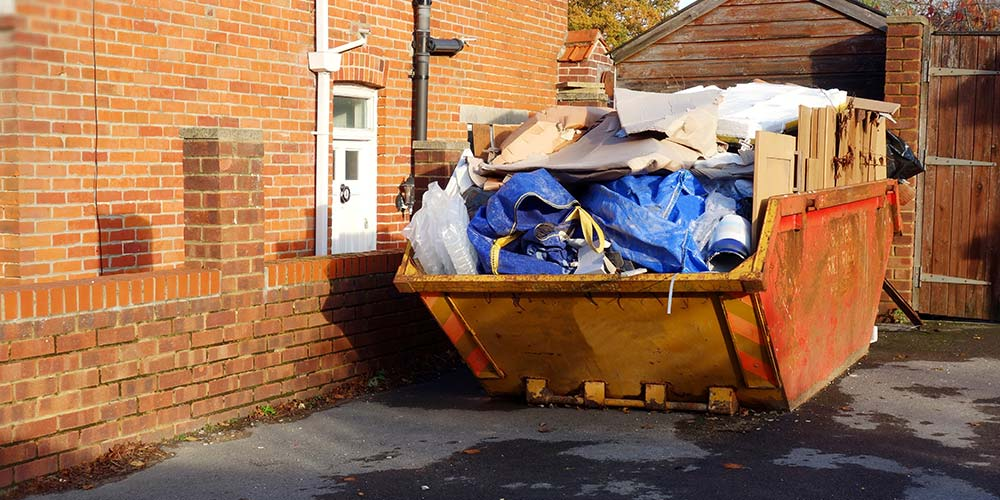
The builders have packed up, the dust has (mostly) settled, and the renovation looks exactly how you wanted. But there’s a problem: the waste is still there. Bags of rubble, stripped-out fixtures, broken tiles, offcuts of timber, sheets of old plasterboard, and a week’s worth of packaging all piled up in what should now be a clean, finished space. You need it gone. Professional builders’ waste removal is usually the fastest route at this stage. Before you reach for the phone to book a skip, read this first.
Why Does Post-Renovation Waste Feel So Overwhelming?
Because it is. Renovation waste is dense, heavy, and awkward in a way that ordinary household rubbish isn’t.
A single bathroom renovation can produce half a ton of rubble from broken tiles and old fittings alone. A kitchen refit adds demolished units, old worktops, ripped-out flooring, and appliances. A loft conversion or extension brings structural materials, such as concrete, bricks, insulation, and plasterboard, which are genuinely heavy and not something you carry out in a few trips.
And it all needs to go, quickly. The space looks finished on the surfaces, but unlivable with the debris still in it. There’s a deadline behind most of these jobs: a sale, a tenant, a housewarming. That pressure is real, and it makes the wrong decision feel more expensive than it actually is.
What Are You Actually Dealing With? The Post-Renovation Waste Reality
What you’ve got matters because not everything can go the same route, and the mix of materials affects which removal option actually works.
Typical post-renovation waste includes:
• Rubble and hardcore broken bricks, concrete, tiles, and mortar. Heavy by the bag.
• Plasterboard must be kept separate from general waste. It cannot go in a standard skip mixed with other materials without segregation.
• Timber and wood skirting boards, door frames, floorboards, structural offcuts.
• Old fixtures and fittings, kitchen units, bathroom suites, radiators, pipework.
• Electrical items: old boilers, storage heaters, lighting, wiring. Subject to WEEE regulations.
• General renovation packaging, plastic wrapping, cardboard, foam, dust sheets.
• Paint tins and adhesives are some classed as hazardous waste depending on contents.
The combination of regulated items, heavy materials, and sheer volume is what catches people off guard. A skip handles some of it. Not all of it. And loading one yourself, after a renovation that’s already taken it out of you, is a lot more work than it sounds.
Is Skip Hire the Right Answer When the Renovation Is Already Done?
Sometimes. But at the post-renovation stage, skip hire creates its own problems on top of the ones you already have.
The permit delay
If the skip goes on a public road, which applies to most London properties, you need a council permit. That costs £50 to £80, takes several days to process, and isn’t guaranteed. You need the waste gone. Waiting on a permit application is the last thing you want right now.
You still have to do all the loading
A skip arrives empty. Every bag of rubble, every demolished kitchen unit, every sheet of plasterboard has to be carried out and loaded by you. After a project that’s already been physically demanding, that’s a serious task. Most people underestimate how long it takes, usually by about half.
Plasterboard won’t go in a standard skip
Most skip hire providers won’t accept plasterboard mixed with general waste. You’d need a separate plasterboard-only skip, another hire, another cost, another thing to coordinate. On a job you’re trying to wrap up, that’s the last kind of complication you need.
The skip sits there for days
A hired skip occupies your drive or the street for up to a week. In London, where space is tight and neighbours are close, that’s a practical headache layered on top of everything else.
Skip hire is better during a build, not after
Skips make sense when you’re generating waste across multiple days and want a container to fill at your own pace. For a post-renovation clear-out where everything is already accumulated and needs to go at once, it’s the slower and more expensive option. Full stop.
Why Does Professional Clearance Work Better at This Stage?
Because it matches what you actually need: everything gone, in one visit, without you having to lift a thing.
- No permit, no wait. The team arrives with their vehicle, loads everything, and leaves. Nothing goes on the street. No council application, no processing time, no uncertainty.
- The team does the loading. That’s the job. Bags of rubble, old kitchen cabinets, broken tiles, loose plasterboard carried out, loaded, gone. You point to what needs to go and stay out of the way.
- Mixed waste, one visit. Timber, rubble, electrical items, and plasterboard, the team handles sorting at the facility end, through licensed channels for each material type. You don’t need to separate anything or look up disposal rules beforehand.
- Works around your deadline. Tenant moving in on Friday? Property viewing on Thursday? Professional clearance can typically be booked and completed within the same week. Slot confirmed, team arrives, waste gone.
We Clear Junk has been handling post-renovation clearances across London since 2006, single-room strip-outs, full-house renovations, everything in between. Tight-access terraces, flats with no lift, properties mid-clearance with debris across multiple floors. The team has seen every version of this job. None of it is unfamiliar territory.
What About the Regulated Materials: Plasterboard, Electricals, and Paint?
This is the part most people don’t think about until it causes a problem.
Professional construction waste clearance takes the compliance side off your plate entirely. Plasterboard goes through a segregated route. Electrical items are dealt with under WEEE. Hazardous materials, certain paints, adhesives, and sealants are flagged and routed correctly. You don’t have to know the rules. The team does.
Most homeowners don’t realise that plasterboard recycling needs specialist handling; it can’t just go in the general skip with the rubble. Done correctly, plasterboard is actually highly recyclable; the gypsum gets reprocessed and reused. A professional clearance service handles this as standard. Most DIY skip arrangements don’t come close.
If you’ve spotted something in your renovation waste that looks potentially hazardous, such as old floor tiles that might contain asbestos, a boiler with unknown materials, or insulation from a pre-2000 build, flag it when you call. The team will tell you straight whether specialist removal is needed before the general clearance goes ahead.
How Quickly Can Post-Renovation Waste Be Cleared in London?
Faster than most people expect.
With We Clear Junk, most customers get a same-week slot. For urgent jobs, a property going on the market, a new tenant arriving, or a landlord inspection the same week isn’t a stretch; it’s standard. The process is simple: describe what you’ve got, get a quote, and book a slot. The crew arrives, does the loading, and takes everything away. Most post-renovation clearances wrap up in two to four hours, depending on volume.
Skip Hire vs Professional Clearance: How Does the Cost Compare?
For a typical post-renovation clearance in London:
| Skip Hire Route | Professional Clearance Route |
| Skip hire cost | Collection and disposal |
| £200–£380 | £150–£350 depending on volume |
| Council permit (street): £50–£80 | No permit required |
| Plasterboard skip (extra): £100–£200 | Plasterboard included one visit |
| Your time loading: hours to a full day | No loading work team does it all |
| Total: £250–£660+ and your weekend | Total: £150–£350 and a couple of hours |
Add it all up and professional waste clearance services come out cheaper for most post-renovation jobs and significantly faster. The plasterboard surcharge alone often closes the gap entirely.
Frequently Asked Questions
- Can you take everything in one visit: rubble, timber, old appliances, and packaging?
Yes. We Clear Junk handles mixed renovation waste in a single collection. The team sorts at the facility end, so you don’t need to separate anything beforehand. Rubble, timber, plasterboard, electrical items, and general packaging all gone in one visit.
- Do I need to bag the rubble before you arrive?
It helps, but it’s not essential. If heavy materials like concrete and bricks are loose, let us know when you book, and we’ll advise on the best way to prepare. For most post-renovation clearances, what you’ve got is what we come and take.
- What if the property is on multiple floors with no lift?
Completely standard for London. The team is equipped for multi-floor carry-outs and used to the access constraints of London flats and terraces. It affects how long the job takes, not whether we can do it.
- How do I get a quote?
Describe what you’ve got: rough volume, types of material, the address, and any access specifics. We Clear Junk gives you a direct quote, no obligation, no confusing pricing structures. Most people get a number within the same day they call.
- What if I only have a small amount of renovation waste?
Even a small post-reno clearance beats three trips to the tip in your own car. Get in touch, and we’ll confirm the most cost-effective option for your volume. There’s no minimum job size.
A finished renovation shouldn’t have a footnote of rubble and rubbish attached to it for weeks. The waste is already there, the only question is how quickly and easily you get rid of it.
Skip hire adds a permit, a wait, and a full day of physical loading work on top of a project you’ve already pushed through to the end. Professional clearance is one phone call, one team, one visit, and it’s gone. We Clear Junk has been clearing post-renovation waste across London for nearly two decades. Single stripped-out bathroom or full-house gut get in touch for a straight quote and a fast slot. Visit weclearjunk.co.uk to get started.


Healing the Whole Person: The Ultimate Guide to Dual Diagnosis Treatment at LIV Recovery Center

Do Watch Colors Match Seasons?

Choosing the Right Cavitation Machine: What Every Clinic Owner Should Know Before Buying

How to Spot a More Trustworthy Phone Tarot Service
Beware, the cult that victimized teenagers has brought its performances to Japan

How Does the FRM Exam Help Build a Career in Risk Analytics?

What Happens When You Stop Taking Ozempic For Weight Loss?

Generative Furniture Modeling Review 2026: Automating Prototyping Workflows
Why Healthcare Press Releases Need Regulatory Awareness
How to Turn Your Bahrain Registration Into a Competitive Advantage
Healing the Whole Person: The Ultimate Guide to Dual Diagnosis Treatment at LIV Recovery Center
Do Watch Colors Match Seasons?
Choosing the Right Cavitation Machine: What Every Clinic Owner Should Know Before Buying
How to Spot a More Trustworthy Phone Tarot Service
Beware, the cult that victimized teenagers has brought its performances to Japan
How Does the FRM Exam Help Build a Career in Risk Analytics?
What Happens When You Stop Taking Ozempic For Weight Loss?
Generative Furniture Modeling Review 2026: Automating Prototyping Workflows
Why Healthcare Press Releases Need Regulatory Awareness
How to Turn Your Bahrain Registration Into a Competitive Advantage

The Private World of Marina Pearl LeBlanc, Matt LeBlanc’s Only Child

What is Shoujo Ramune? The Comprehensive Guide

Who is Christina Erika Carandini Lee? Everything About Christopher Lee’s Daughter

Who is Amra Nor Jenkins? The Untold Story About Jeezy’s Daughter

The Untold Truth of William Mapel: A Deep Dive into His Personal Life

Who is Nicoletta Ruhl? Age, Family, Bio

The Rise of Ryan Nikolaos Sampras: From Humble Beginnings to Stardom

The Untold Story of Denika Kisty: Her Family, Net Worth, and More

William Givens Jensen Today: What We Know About Robin Givens’ Son

Meet Dominique Boxley: Anthony Fantano’s Mysterious and Supportive Partner
-
 Celebrity1 year ago
The Private World of Marina Pearl LeBlanc, Matt LeBlanc’s Only Child
-
 Entertainment2 years ago
What is Shoujo Ramune? The Comprehensive Guide
-
 Celebrity2 years ago
Who is Christina Erika Carandini Lee? Everything About Christopher Lee’s Daughter
-
 Life Style2 years ago
Who is Amra Nor Jenkins? The Untold Story About Jeezy’s Daughter
-
 Celebrity2 years ago
The Untold Truth of William Mapel: A Deep Dive into His Personal Life
-
 Life Style2 years ago
Who is Nicoletta Ruhl? Age, Family, Bio
-
 Celebrity2 years ago
The Rise of Ryan Nikolaos Sampras: From Humble Beginnings to Stardom
-
 Celebrity2 years ago
The Untold Story of Denika Kisty: Her Family, Net Worth, and More