Blog
The Most Common Press Brake Mistakes

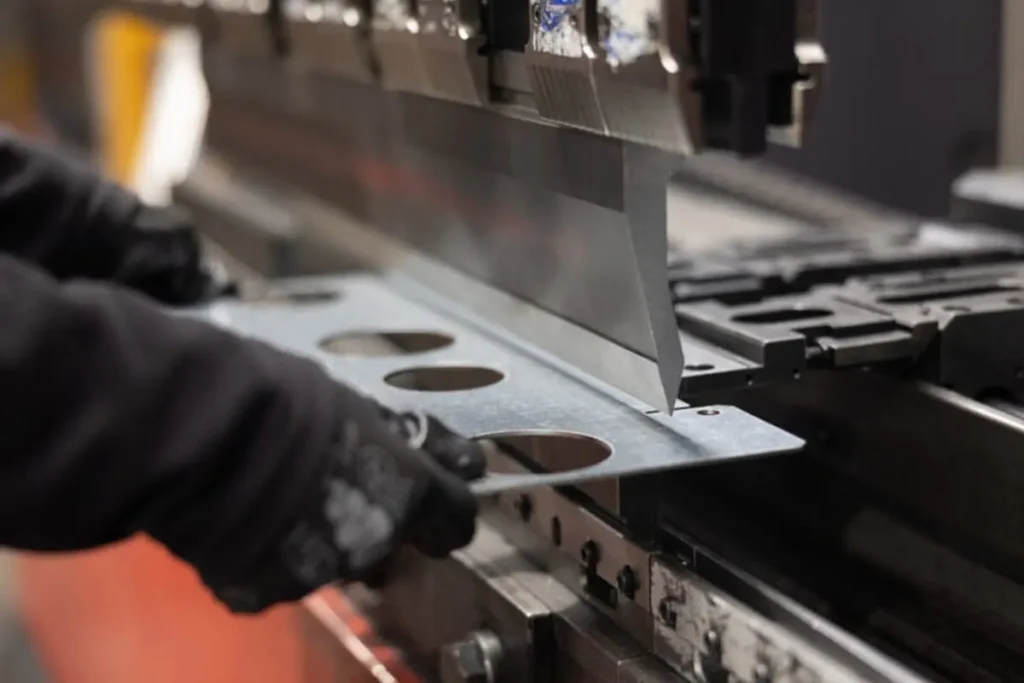
Press brakes are powerful machines that bend sheet metal into the shapes you need for your projects. They help shops make parts quickly and accurately. But even experienced operators run into problems that waste time, ruin materials, and cost money. These mistakes happen every day in fabrication shops. This article walks you through the most common ones in plain language. We explain why they occur, what they look like, and how to fix or avoid them. If you run a press brake or manage a team, knowing these issues will help you work smarter and safer.
Wrong tonnage calculations
One of the top mistakes is using the wrong amount of force, or tonnage, for the job. Each press brake has a maximum tonnage it can handle safely. You also need to calculate the right force for the material thickness, type, and bend length. If you guess too low, the bend will not form completely. The metal springs back and the angle ends up wrong. If you use too much force, you can damage the tooling, crack the material, or even hurt the machine frame.
Many operators forget to check the material specs or use old charts that do not match today’s steels or aluminum. The result is inconsistent parts that need rework or get scrapped. To avoid this, always use the correct tonnage formula or the machine’s built-in calculator. Factor in the die opening and the bend radius. Start with a test piece and adjust slowly. Good practice saves material and keeps your press brake in top shape for longer.
Choosing the wrong tooling
Using the wrong punch and die is another frequent error. The tooling must match the material thickness and the desired bend radius. A V-die that is too narrow or too wide changes the bend angle and can leave marks on the part. Worn tooling with rounded edges or damaged surfaces creates uneven bends and scratches the sheet metal.
Operators sometimes rush setup and grab the first set of tools nearby instead of the right ones. This leads to bad parts and extra time changing tools later. The fix is simple: check the part drawing and select tooling designed for that job. Keep your tools organized and inspect them before each shift. Replace or sharpen worn pieces right away. Proper tooling selection gives you clean, accurate bends every time.
Ignoring springback
Springback happens when the metal tries to return to its flat shape after you bend it. It is very common with air bending and stiffer materials like stainless steel or high-strength alloys. If you do not account for springback, your final bend angle will be off by a few degrees. The part looks wrong and may not fit during assembly.
New operators often bend to the exact angle on the print and wonder why the finished piece opens up. Experienced users know to overbend slightly to compensate. The amount of springback depends on the material, thickness, and bend radius. Test bends on scrap pieces help you find the right compensation. Many modern CNC press brakes have automatic springback settings that make this easier. Pay attention to this and you will hit the correct angles consistently.
Poor machine maintenance and lubrication
Skipping regular cleaning and lubrication causes many press brake headaches. Dirt, metal dust, and old grease build up on the ram, gibs, and ways. This creates extra friction, uneven movement, and faster wear. Over time, the ram may not stay parallel, leading to twisted bends or parts that vary from one end to the other.
Hydraulic systems suffer when you ignore oil changes or let leaks go. Electrical controls can fail if dust gets inside the cabinet. The solution is straightforward: follow the manufacturer’s maintenance schedule. Clean the machine daily, lubricate moving parts as recommended, and check oil levels. A clean, well-lubricated press brake runs smoother, lasts longer, and produces better parts with less downtime.
Incorrect machine setup and alignment
Bad setup is a silent killer of accuracy. If the die and punch are not aligned properly, or the back gauge is off, every bend comes out wrong. The ram may not be level, causing one side of the part to bend more than the other. Crowning adjustments are often forgotten on long bends, so the center of the part bows and the angles differ across the length.
Operators in a hurry sometimes skip full alignment checks or rely on memory instead of measuring. This mistake shows up as inconsistent flange lengths or angles that change along the bend. Always take time to square the tooling, set the back gauge correctly, and adjust crowning for the job. Use test strips to verify setup before running production. Good setup habits prevent a lot of scrap and frustration.
Overloading the press brake
Trying to bend material that is too thick, too long, or with too small a die opening puts dangerous stress on the machine. The force concentrates in a small area and can crack tooling, deform the ram, or damage the frame. Overloading also creates safety risks for the operator.
This often happens when shops push the limits to meet a tight deadline or save time on multiple setups. Check the machine’s capacity chart and calculate tons per meter, not just total tonnage. Spread the load properly and use the correct die width. If a job is close to the limit, talk to your supervisor or choose a bigger machine. Staying within safe limits protects your equipment and your team.
Lack of operator training
Untrained or poorly trained operators make more mistakes than anything else. They may bend the flange in the wrong direction, forget safety steps, or misread the control screen. New workers sometimes reach behind the dies or bypass guards to make awkward parts, which can lead to serious injuries.
Even seasoned operators pick up bad habits over time if they never get refreshed training. The best shops invest in regular training sessions and certification. Teach proper setup, tonnage calculation, safety rules, and basic troubleshooting. Encourage operators to ask questions and document successful settings for repeat jobs. Well-trained teams produce higher quality work and have fewer accidents.
Neglecting safety practices
Safety mistakes range from small oversights to major risks. Common ones include not using proper personal protective equipment, disabling light curtains or safety devices to speed up work, or standing in unsafe positions during bending. Rushing setups without clearing the area can also cause pinched fingers or worse.
Safety should never be optional. Always follow lockout procedures during maintenance, keep guards in place, and use the correct foot pedal or two-hand controls. Train everyone to stop and think before bypassing any safety feature. A safe shop runs better because people focus on the work instead of worrying about getting hurt.
Programming errors on CNC models
On CNC press brakes, wrong programming causes a string of bad parts before anyone notices. Operators might enter the wrong bend sequence, incorrect back gauge positions, or bad angle values. Small typing mistakes in the control software lead to big problems on the floor.
To avoid this, double-check programs against the part drawing. Use simulation features when available to see the bend sequence on screen first. Save and name programs clearly for future use. Experienced programmers review settings with a second person before running the first piece. Careful programming turns your CNC press brake into a reliable production tool instead of a source of scrap.
How to reduce these mistakes in your shop
The good news is most press brake mistakes are preventable. Start with clear procedures for every job: calculate tonnage, select tooling, check alignment, and verify settings. Keep a maintenance log and stick to the schedule. Invest in training and make safety a daily habit. Document successful setups so your team can repeat them easily.
Modern machines with good controls and sensors help catch errors early, but they still need skilled people behind them. Regular inspections and small test bends catch problems before they affect production runs.
If you want to learn more about top equipment and best practices in the industry, view more. For reliable press brake solutions and support, check out https://miharmle-cnc.com/.
Avoiding these common mistakes will improve your part quality, reduce waste, and keep your press brake running smoothly for years. Take the time to build good habits now. Your shop will thank you with better output and fewer headaches.


Do Watch Colors Match Seasons?

Choosing the Right Cavitation Machine: What Every Clinic Owner Should Know Before Buying

How to Spot a More Trustworthy Phone Tarot Service
Beware, the cult that victimized teenagers has brought its performances to Japan

How Does the FRM Exam Help Build a Career in Risk Analytics?

What Happens When You Stop Taking Ozempic For Weight Loss?

Generative Furniture Modeling Review 2026: Automating Prototyping Workflows
Why Healthcare Press Releases Need Regulatory Awareness
How to Turn Your Bahrain Registration Into a Competitive Advantage

Company License in Saudi Arabia: Matching Activity for UK Firms
Do Watch Colors Match Seasons?
Choosing the Right Cavitation Machine: What Every Clinic Owner Should Know Before Buying
How to Spot a More Trustworthy Phone Tarot Service
Beware, the cult that victimized teenagers has brought its performances to Japan
How Does the FRM Exam Help Build a Career in Risk Analytics?
What Happens When You Stop Taking Ozempic For Weight Loss?
Generative Furniture Modeling Review 2026: Automating Prototyping Workflows
Why Healthcare Press Releases Need Regulatory Awareness
How to Turn Your Bahrain Registration Into a Competitive Advantage
Company License in Saudi Arabia: Matching Activity for UK Firms

The Private World of Marina Pearl LeBlanc, Matt LeBlanc’s Only Child

What is Shoujo Ramune? The Comprehensive Guide

Who is Christina Erika Carandini Lee? Everything About Christopher Lee’s Daughter

Who is Amra Nor Jenkins? The Untold Story About Jeezy’s Daughter

The Untold Truth of William Mapel: A Deep Dive into His Personal Life

The Untold Story of Denika Kisty: Her Family, Net Worth, and More

The Rise of Ryan Nikolaos Sampras: From Humble Beginnings to Stardom

Who is Nicoletta Ruhl? Age, Family, Bio

William Givens Jensen Today: What We Know About Robin Givens’ Son

Who Is Stephanie Sarkisian? All You Need To Know AboutSteve Sarkisian’s Ex-Wife
-
 Celebrity1 year ago
The Private World of Marina Pearl LeBlanc, Matt LeBlanc’s Only Child
-
 Entertainment2 years ago
What is Shoujo Ramune? The Comprehensive Guide
-
 Celebrity2 years ago
Who is Christina Erika Carandini Lee? Everything About Christopher Lee’s Daughter
-
 Life Style2 years ago
Who is Amra Nor Jenkins? The Untold Story About Jeezy’s Daughter
-
 Celebrity2 years ago
The Untold Truth of William Mapel: A Deep Dive into His Personal Life
-
 Celebrity2 years ago
The Untold Story of Denika Kisty: Her Family, Net Worth, and More
-
 Celebrity2 years ago
The Rise of Ryan Nikolaos Sampras: From Humble Beginnings to Stardom
-
 Life Style2 years ago
Who is Nicoletta Ruhl? Age, Family, Bio