Life Style
What Happens When Moisture Gets Trapped Beneath Roofing Layers

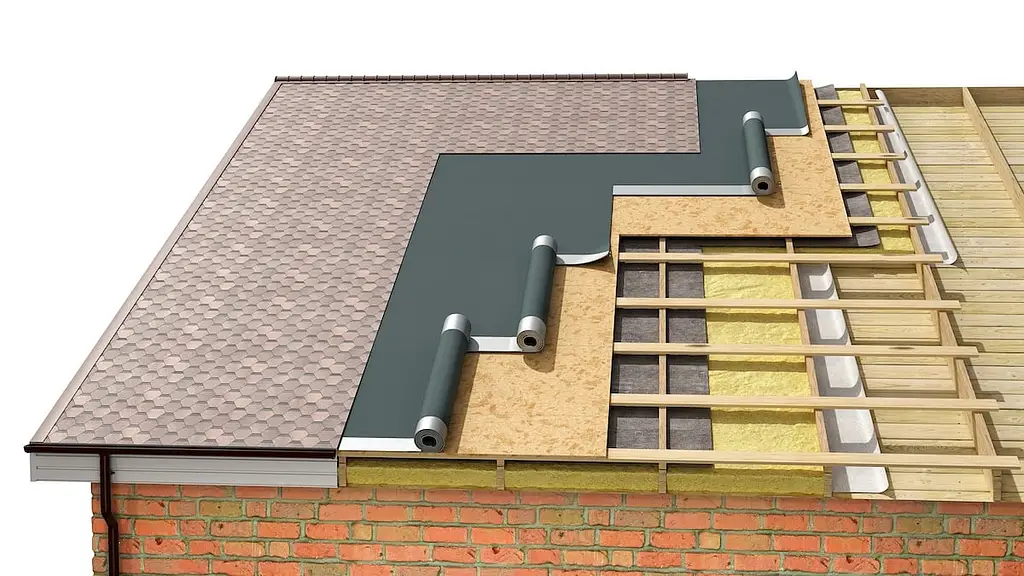
Roofing systems are designed to be the ultimate shield for your home. We often think of them as a solid lid on a jar, keeping everything inside dry and safe from the elements. But what happens when that lid isn’t quite sealed right, or if water finds a way to sneak underneath the shingles? When you are looking for roof repair farmington services, the most common culprit behind major damage is often the water you cannot see. Trapped moisture is a silent enemy that works behind the scenes to compromise the very structure of your house.
The Invisible Threat of Trapped Water
Most homeowners assume that if they do not see a drip coming from the ceiling, their roof is doing its job perfectly. Unfortunately, water is incredibly patient and persistent. It can find its way under shingles through small cracks, poor flashing, or even through condensation from inside the house. Once that moisture is stuck between the waterproof membrane and the wooden decking, it has nowhere to go. Unlike water on the surface of your roof, which evaporates in the sun, trapped moisture sits in a dark and humid environment. This creates a literal breeding ground for problems that can sit undiscovered for months or even years.
The Fast Track to Wood Rot
The most immediate and devastating consequence of trapped moisture is wood rot. Your roof relies on a sturdy wooden deck to hold up the weight of the shingles and to provide structural integrity. When wood stays damp for extended periods, fungi begin to eat away at the fibers. This softens the wood and makes it spongy. You might notice your roof looks a bit wavy or that it feels soft when someone walks on it. By the time the wood starts to sag, the damage is usually extensive. Replacing a few shingles is easy, but replacing an entire rotted deck is a massive project that hits the wallet hard.
Mold and Health Concerns
It is not just the wood you have to worry about. Trapped moisture is the primary cause of mold and mildew growth within the roofing assembly. Because the area under your shingles is warm and damp, mold can spread rapidly. This is not just a structural issue but a health one, too. Mold spores can eventually migrate into your attic and then into your living spaces through the ventilation system. This can lead to respiratory issues, allergies, and a generally unpleasant musty smell that is nearly impossible to get rid of without stripping the roof back to the studs.
Insulation Damage and Energy Loss
Water does more than just rot wood and grow mold. It also wreaks havoc on your home insulation. If moisture seeps down from the roofing layers into the fiberglass or cellulose insulation in your attic, that material loses its ability to regulate temperature. Wet insulation clumps together and creates gaps where heat can escape in the winter or enter in the summer. You might find your energy bills spiking for no apparent reason. Even after the leak is fixed, wet insulation often needs to be completely removed because it loses its R-value and becomes a heavy, sodden mess that puts extra stress on your ceiling joists.
Structural Failures and Shingle Damage
We often focus on the wood underneath, but trapped moisture actually attacks the shingles from below as well. When heat from the sun hits a roof with trapped water, that water turns into vapor. This creates pressure that can cause shingles to blister or bubble. It essentially cooks the shingles from the inside out. Furthermore, in colder climates, that trapped water can freeze and expand. This cycle of freezing and thawing can pry apart the layers of your roof and widen existing cracks. It is a slow-motion disaster that eventually leads to shingles falling off or water finally breaking through into the interior of the house.
Final Word
Dealing with a roof is often a case of out of sight and out of mind. However, the hidden dangers of trapped moisture prove that what you can’t see definitely can hurt you. Keeping an eye out for early warning signs like curling shingles or mysterious attic odors can save you a fortune in the long run. If you suspect your roof is holding onto secrets, getting a professional roof repair farmington inspection is the best way to catch these issues before they turn into a full-scale replacement. Taking care of your roof today ensures it will keep taking care of you for years to come.


Do Watch Colors Match Seasons?

Choosing the Right Cavitation Machine: What Every Clinic Owner Should Know Before Buying

How to Spot a More Trustworthy Phone Tarot Service
Beware, the cult that victimized teenagers has brought its performances to Japan

How Does the FRM Exam Help Build a Career in Risk Analytics?

What Happens When You Stop Taking Ozempic For Weight Loss?

Generative Furniture Modeling Review 2026: Automating Prototyping Workflows
Why Healthcare Press Releases Need Regulatory Awareness
How to Turn Your Bahrain Registration Into a Competitive Advantage

Company License in Saudi Arabia: Matching Activity for UK Firms
Do Watch Colors Match Seasons?
Choosing the Right Cavitation Machine: What Every Clinic Owner Should Know Before Buying
How to Spot a More Trustworthy Phone Tarot Service
Beware, the cult that victimized teenagers has brought its performances to Japan
How Does the FRM Exam Help Build a Career in Risk Analytics?
What Happens When You Stop Taking Ozempic For Weight Loss?
Generative Furniture Modeling Review 2026: Automating Prototyping Workflows
Why Healthcare Press Releases Need Regulatory Awareness
How to Turn Your Bahrain Registration Into a Competitive Advantage
Company License in Saudi Arabia: Matching Activity for UK Firms

The Private World of Marina Pearl LeBlanc, Matt LeBlanc’s Only Child

What is Shoujo Ramune? The Comprehensive Guide

Who is Christina Erika Carandini Lee? Everything About Christopher Lee’s Daughter

Who is Amra Nor Jenkins? The Untold Story About Jeezy’s Daughter

The Untold Truth of William Mapel: A Deep Dive into His Personal Life

The Untold Story of Denika Kisty: Her Family, Net Worth, and More

The Rise of Ryan Nikolaos Sampras: From Humble Beginnings to Stardom

Who is Nicoletta Ruhl? Age, Family, Bio

William Givens Jensen Today: What We Know About Robin Givens’ Son

Who Is Stephanie Sarkisian? All You Need To Know AboutSteve Sarkisian’s Ex-Wife
-
 Celebrity1 year ago
The Private World of Marina Pearl LeBlanc, Matt LeBlanc’s Only Child
-
 Entertainment2 years ago
What is Shoujo Ramune? The Comprehensive Guide
-
 Celebrity2 years ago
Who is Christina Erika Carandini Lee? Everything About Christopher Lee’s Daughter
-
 Life Style2 years ago
Who is Amra Nor Jenkins? The Untold Story About Jeezy’s Daughter
-
 Celebrity2 years ago
The Untold Truth of William Mapel: A Deep Dive into His Personal Life
-
 Celebrity2 years ago
The Untold Story of Denika Kisty: Her Family, Net Worth, and More
-
 Celebrity2 years ago
The Rise of Ryan Nikolaos Sampras: From Humble Beginnings to Stardom
-
 Life Style2 years ago
Who is Nicoletta Ruhl? Age, Family, Bio