Blog
The Practical Home Upgrade Checklist Small Decisions That Make a Big Difference

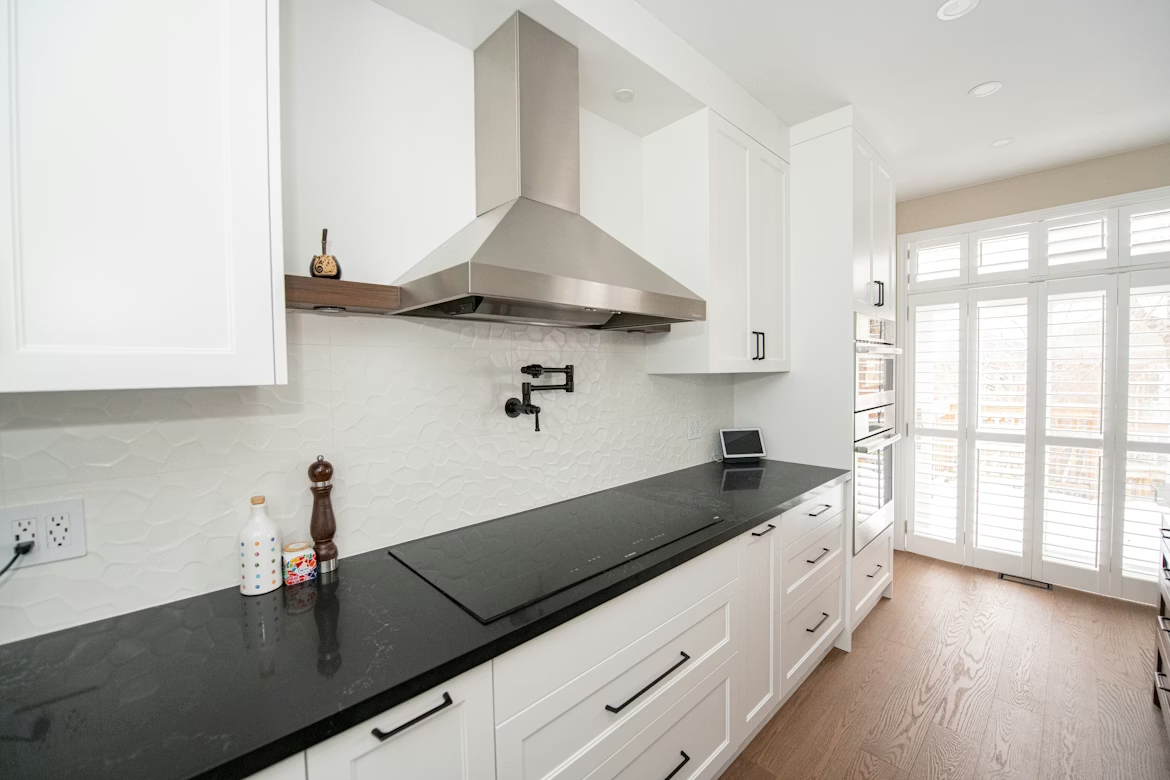
Home improvement does not always begin with a dramatic renovation. Sometimes, it starts with noticing the little things: a deck that no longer feels inviting, a room that does not get enough natural light, a kitchen that feels difficult to move around in, or an outdoor space that is not being used as much as it could be.
The best home upgrades are not only about making a property look better. They are about making everyday life easier, more comfortable, and more enjoyable. Before starting any project, it helps to look at the home as a whole and understand which changes will have the most value.
Instead of focusing only on trends, homeowners can use a simple checklist to decide what truly needs attention.
1. Check How Each Space Is Being Used
Before choosing materials or looking at design ideas, start with one basic question: is this space working well?
A room may look fine but still feel uncomfortable. A living room might not have enough seating. A kitchen may have poor storage. A bathroom may feel too small. A backyard may have potential but no comfortable place to sit.
Walk through the home and think about how each area supports daily routines. The goal is to find the spaces that create frustration or are not being used fully.
A useful upgrade should solve a real problem, not just change the appearance of the home.
2. Look at the Outdoor Areas
Outdoor spaces are often overlooked, but they can add a lot of comfort to a home. A well-designed deck, patio, or garden area can become an extension of the living space, especially during warmer months.
A good outdoor area can be used for morning coffee, weekend meals, family gatherings, or quiet evenings. But if the space feels unfinished, unsafe, or uncomfortable, it may not get used often.
Homeowners should check whether their outdoor areas need better seating, improved lighting, stronger materials, or a more practical layout. For larger exterior projects, working with experienced professionals such as US Quality of Columbus can help homeowners create outdoor improvements that feel both durable and well-designed.
3. Focus on Safety First
Some upgrades may not be the most exciting, but they are the most important. Safety should always come before decoration.
This includes checking loose railings, damaged flooring, uneven walkways, old electrical systems, weak deck boards, poor lighting near stairs, and slippery bathroom surfaces. These issues can affect daily comfort and may become more expensive if ignored for too long.
A home should feel secure and easy to move around in. Once the safety concerns are handled, it becomes easier to focus on style and comfort.
4. Improve Storage Where Clutter Builds Up
Clutter usually appears where storage is missing or poorly planned. Entryways, kitchens, bathrooms, laundry rooms, and bedrooms are common problem areas.
The solution is not always to buy more furniture. Sometimes, the answer is better built-in storage, deeper drawers, wall-mounted shelves, hidden cabinets, or multi-purpose pieces.
For example, an entryway can benefit from hooks, shoe storage, and a small bench. A kitchen may need pull-out shelves or pantry organization. A bathroom might feel cleaner with a vanity that has proper drawers instead of open counter space.
Good storage makes a home feel calmer because everything has a place.
5. Upgrade Lighting for a Better Atmosphere
Lighting can completely change how a home feels. A dark room may seem smaller and less welcoming, while a well-lit room can feel open, warm, and comfortable.
The best lighting plan usually includes more than one source. Overhead lighting gives general brightness, while lamps, wall lights, under-cabinet lighting, and outdoor lights add function and atmosphere.
In kitchens, task lighting helps with cooking. In living rooms, softer lighting creates a relaxed mood. In outdoor spaces, lighting can make decks and patios safer and more enjoyable in the evening.
This is one of the simplest ways to make a home feel more polished.
6. Choose Materials That Match Real Life
Every home has a different lifestyle. A household with children, pets, or frequent guests may need stronger, easier-to-clean materials. A quieter household may be able to choose more delicate finishes.
Flooring, countertops, decking, cabinets, and wall finishes should all be selected with daily use in mind. A material may look beautiful in photos, but it also needs to handle wear, moisture, sunlight, cleaning, and movement.
Durability is especially important for outdoor projects. Decking and exterior materials need to handle weather changes while still looking good over time.
A smart home upgrade should look good on day one and continue to perform well years later.
7. Think About Flow Between Indoor and Outdoor Spaces
One of the best ways to make a home feel larger is to connect the indoors with the outdoors. This does not always require a major renovation. Sometimes, better doors, improved decking, comfortable furniture, or a clearer path from the kitchen to the garden can make a big difference.
When the transition feels natural, outdoor spaces become easier to use. A deck near the kitchen can work well for dining. A patio near the living room can become a place for relaxing. A small garden corner can become a quiet reading area.
The goal is to make the home feel connected rather than divided into separate unused areas.
8. Do Not Ignore Maintenance
Home improvement is not only about adding something new. It is also about maintaining what already exists.
Regular maintenance can protect the value of the home and prevent small problems from becoming larger ones. This includes cleaning gutters, checking exterior surfaces, sealing decks when needed, repairing cracks, repainting worn areas, and replacing damaged fixtures.
Maintenance may not feel exciting, but it keeps the home looking cared for and functioning properly.
9. Keep the Design Simple and Timeless
Trends can be fun, but permanent home upgrades should not depend too heavily on what is popular for one season. Simple, timeless design choices usually last longer and are easier to update later.
Neutral colors, quality materials, clean lines, and practical layouts tend to age well. Personality can still be added through furniture, artwork, plants, lighting, and smaller decorative details.
This approach gives homeowners flexibility. If styles change, the home can be refreshed without needing another major project.
10. Set a Realistic Budget Before Starting
A clear budget helps keep a project organized. Before beginning any renovation or upgrade, homeowners should decide what they can spend and which improvements matter most.
It is also wise to leave extra room for unexpected costs. Older homes may reveal hidden issues once work begins, especially behind walls, under floors, or in outdoor structures.
A realistic budget does not mean choosing the cheapest option. It means spending carefully on the areas that will bring the most comfort, safety, and long-term value.
Final Thought
A better home is not always created through one huge transformation. Often, it comes from making thoughtful improvements one step at a time.
By focusing on function, safety, storage, lighting, materials, and outdoor comfort, homeowners can create spaces that feel more useful and enjoyable. The most successful upgrades are the ones that fit real life, solve everyday problems, and make the home feel better to live in.


Do Watch Colors Match Seasons?

Choosing the Right Cavitation Machine: What Every Clinic Owner Should Know Before Buying

How to Spot a More Trustworthy Phone Tarot Service
Beware, the cult that victimized teenagers has brought its performances to Japan

How Does the FRM Exam Help Build a Career in Risk Analytics?

What Happens When You Stop Taking Ozempic For Weight Loss?

Generative Furniture Modeling Review 2026: Automating Prototyping Workflows
Why Healthcare Press Releases Need Regulatory Awareness
How to Turn Your Bahrain Registration Into a Competitive Advantage

Company License in Saudi Arabia: Matching Activity for UK Firms
Do Watch Colors Match Seasons?
Choosing the Right Cavitation Machine: What Every Clinic Owner Should Know Before Buying
How to Spot a More Trustworthy Phone Tarot Service
Beware, the cult that victimized teenagers has brought its performances to Japan
How Does the FRM Exam Help Build a Career in Risk Analytics?
What Happens When You Stop Taking Ozempic For Weight Loss?
Generative Furniture Modeling Review 2026: Automating Prototyping Workflows
Why Healthcare Press Releases Need Regulatory Awareness
How to Turn Your Bahrain Registration Into a Competitive Advantage
Company License in Saudi Arabia: Matching Activity for UK Firms

The Private World of Marina Pearl LeBlanc, Matt LeBlanc’s Only Child

What is Shoujo Ramune? The Comprehensive Guide

Who is Christina Erika Carandini Lee? Everything About Christopher Lee’s Daughter

Who is Amra Nor Jenkins? The Untold Story About Jeezy’s Daughter

The Untold Truth of William Mapel: A Deep Dive into His Personal Life

The Untold Story of Denika Kisty: Her Family, Net Worth, and More

The Rise of Ryan Nikolaos Sampras: From Humble Beginnings to Stardom

Who is Nicoletta Ruhl? Age, Family, Bio

William Givens Jensen Today: What We Know About Robin Givens’ Son

Who Is Stephanie Sarkisian? All You Need To Know AboutSteve Sarkisian’s Ex-Wife
-
 Celebrity1 year ago
The Private World of Marina Pearl LeBlanc, Matt LeBlanc’s Only Child
-
 Entertainment2 years ago
What is Shoujo Ramune? The Comprehensive Guide
-
 Celebrity2 years ago
Who is Christina Erika Carandini Lee? Everything About Christopher Lee’s Daughter
-
 Life Style2 years ago
Who is Amra Nor Jenkins? The Untold Story About Jeezy’s Daughter
-
 Celebrity2 years ago
The Untold Truth of William Mapel: A Deep Dive into His Personal Life
-
 Celebrity2 years ago
The Untold Story of Denika Kisty: Her Family, Net Worth, and More
-
 Celebrity2 years ago
The Rise of Ryan Nikolaos Sampras: From Humble Beginnings to Stardom
-
 Life Style2 years ago
Who is Nicoletta Ruhl? Age, Family, Bio