Blog
Las Vegas Isn’t What It Was: The Real Reasons Visitors Are Walking Away

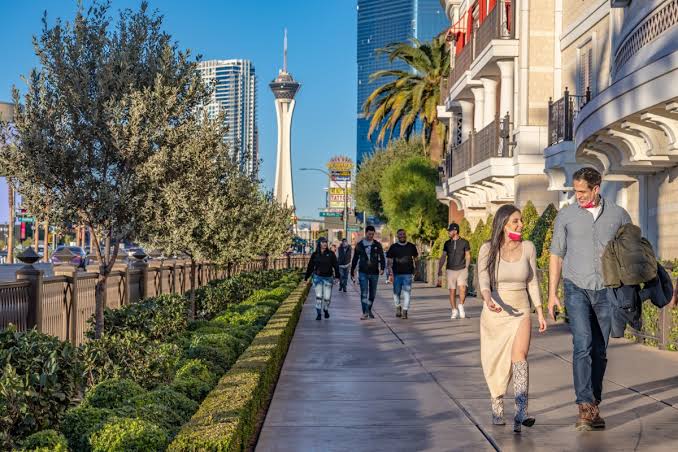
A first trip to Las Vegas still carries a certain charge. The lights feel excessive in a way that seems deliberate, almost theatrical. The Strip stretches out as a promise of something slightly unreal, a place where ordinary rules are suspended. Visitors arrive expecting movement, noise, and a sense that something unexpected could happen at any moment.
A recent visit, especially for someone returning after a few years, often feels different. The lights are still there, but the atmosphere is tighter. The sense of openness has narrowed into a sequence of controlled spaces. Movement is guided, purchases are encouraged at every step, and spontaneity feels limited. What once felt like discovery now feels like navigation.
The difference is not dramatic at first. It shows up in small moments: checking into a hotel that charges multiple add-on fees, walking through a casino where minimum bets feel out of reach, or scanning menus where prices resemble high-end city restaurants without the same level of attention. These moments accumulate.
Returning visitors tend to notice this shift more than first-timers. They carry a memory of a version of Las Vegas that balanced spectacle with accessibility. That balance has changed. The city still delivers scale, but the ease that once defined it has thinned out.
The emotional gap matters. Las Vegas has always depended on repeat visits. It is not a one-time attraction like a landmark. When the second or third visit feels more calculated than exciting, the relationship begins to weaken.
When the Math Stopped Making Sense
The turning point for many visitors is financial. Las Vegas was never cheap, but it used to feel manageable. Visitors could plan a trip that included accommodation, gambling, food, and entertainment without constant adjustments. That predictability has eroded.
Hotel pricing illustrates the shift. Room rates often appear reasonable at first glance, but resort fees, parking charges, and additional taxes change the total significantly. These costs are not optional, yet they are not always presented upfront. This creates a sense of friction before the trip even begins.
Inside the casinos, the numbers are more visible. Table minimums have risen steadily. A casual player who once sat down with a modest budget now finds entry points much higher. Blackjack tables that once offered low stakes are harder to find. Even when they exist, rule changes reduce the odds in favour of the house.
Food and drink pricing reinforces the same pattern. Buffets, once a defining feature, have either disappeared or become expensive experiences rather than accessible staples. Casual meals can match prices found in major European capitals, but without the same sense of value or distinction.
Visitors notice when the balance shifts too far. Gambling always involved a cost, but it came with an expectation of entertainment in return. When the cost rises and the return feels reduced, the equation stops working.
Other destinations have stepped into this gap. Cities like Lisbon, Barcelona, or even regional hubs in Eastern Europe offer strong food, nightlife, and accommodation at lower overall costs. The comparison does not favour Las Vegas in the way it once did.
From Playground to Algorithm
Las Vegas used to feel unpredictable. Each casino had a distinct personality. Walking between them felt like moving through different interpretations of the same idea. Over time, that variety has narrowed.
Corporate ownership has consolidated much of the Strip. Large operators manage multiple properties, applying similar strategies across them. The goal is consistency and efficiency, but the result often feels standardised.
Data now drives many decisions. Casinos track player behaviour in detail, adjusting offers and incentives based on spending patterns. This approach improves revenue, but it also changes the tone. Interactions that once felt personal now feel calculated.
Loyalty programmes reflect this shift. They still exist, but the benefits have become harder to access. Points accumulate slowly, and rewards often require higher spending thresholds. Regular visitors notice the difference.
The sense of chance has also changed. Gambling remains central, but the surrounding environment feels less organic. Music, lighting, and layout are designed to guide behaviour in specific ways. This design is intentional, but it reduces the sense of freedom that once defined the experience.
What remains is efficient but less engaging. The city still functions, but it no longer surprises in the same way.
The Death of the Low Roller
Las Vegas once relied on a wide range of visitors. High rollers were important, but casual gamblers and budget travellers filled the spaces between. They created volume, energy, and a sense of openness.
That group has been gradually pushed out. Rising minimum bets are one factor. When entry-level tables disappear or become scarce, casual players lose their place. Slot machines remain, but even they have shifted towards higher average bets.
Free perks have also declined. Complimentary drinks, discounted meals, and easy comps once made visitors feel valued regardless of their spending level. These benefits are now more restricted, often tied to specific thresholds.
The impact extends beyond individual budgets. When a large segment of visitors feels excluded, the atmosphere changes. Casinos feel more segmented, with clear divisions between those who can afford to participate fully and those who cannot.
This shift affects the overall appeal. Las Vegas built its identity on inclusivity within a controlled environment. Anyone could walk in and feel part of the action. That feeling is harder to find now.
The long-term effect is subtle but significant. Visitors who feel priced out do not necessarily complain loudly. They simply choose not to return.
Entertainment Became Predictable
Entertainment remains a major draw, but it has changed in tone. Large productions dominate the scene, often featuring established performers or long-running shows. These productions are technically strong, but they follow familiar formats.
Ticket prices have risen alongside production costs. Attending a headline show now requires a budget that competes with theatre in London or New York. For many visitors, this limits how often they engage with live entertainment during their stay.
Variety has also narrowed. Smaller, experimental acts have less visibility. Independent performers face higher barriers to entry, and venues prioritise predictable returns over creative risk.
Global competition plays a role. Cities such as Dubai and Macau offer large-scale entertainment with significant investment. Online platforms provide instant access to music, comedy, and live events. The unique position Las Vegas once held has weakened.
Novelty matters in entertainment. Visitors expect to see something they cannot experience elsewhere. When shows feel interchangeable with productions in other cities, the incentive to travel specifically to Las Vegas declines.
The result is not a collapse, but a flattening. Entertainment still exists at a high level, but it no longer defines the city in the same way.
The Strip vs. Everything Else
Las Vegas used to stand apart. It offered a combination of gambling, nightlife, and spectacle that was difficult to replicate. That exclusivity has faded.
Competing destinations have developed their own identities. Miami offers nightlife with coastal access. Nashville combines music culture with a growing entertainment scene. European cities provide history, food, and nightlife in compact, walkable formats.
Travel has also become more accessible. Budget airlines and flexible booking options allow travellers to explore multiple destinations with relative ease. This reduces reliance on a single location for a complete holiday.
Online gambling has further shifted the balance. Players can access a wide range of games from home, often with lower costs and fewer restrictions. This does not replace the physical casino entirely, but it reduces the urgency to visit one.
Younger travellers approach trips differently. They often seek variety rather than repetition. A destination that offers a single dominant theme faces more competition in this environment.
Las Vegas remains active, but it is no longer unique in the way it once was. The alternatives are not identical, but they are sufficient.
The Experience Problem
Expectations play a central role in how visitors evaluate Las Vegas. The city markets itself aggressively, promising high energy, luxury, and constant entertainment. When reality falls short of these expectations, the gap becomes noticeable.
Crowding is a common issue. Popular areas of the Strip can become difficult to navigate, especially during peak periods. Long queues for restaurants, clubs, and attractions reduce the sense of flow.
Service quality has also come under pressure. Staff face demanding conditions, and turnover can be high. While many employees maintain strong standards, inconsistency appears more frequently.
Pricing contributes to the same problem. When visitors pay premium rates, they expect a corresponding level of attention. When that expectation is not met, dissatisfaction grows quickly.
Social media amplifies the contrast. Promotional images highlight ideal scenarios, but they do not reflect the full range of conditions. Visitors arrive with a specific image in mind and measure their trip against it.
The outcome is often described in neutral terms. Visitors say the trip was “fine” rather than memorable. This language signals a shift. Las Vegas built its reputation on strong reactions, not moderate ones.
The New Crowd, The New Energy
The composition of visitors has changed. Influencer-driven tourism has increased, with many travellers focused on capturing content rather than engaging deeply with the environment. This alters behaviour in visible ways.
Nightlife remains active, but its tone has shifted. Clubs emphasise spectacle and branding, often prioritising high-spending guests. This creates a layered environment where access varies significantly.
Gambling culture has become less central for some visitors. Many treat casinos as background rather than the main attraction. This reduces the intensity that once defined the city’s core spaces.
Stay patterns have also changed. Shorter trips are more common, with visitors arriving for specific events or weekends rather than extended stays. This reduces the opportunity for deeper engagement.
Energy is difficult to measure, but it is easy to feel. Las Vegas still has movement, but it lacks some of the unpredictability that once defined it. The environment feels structured rather than fluid.
Vegas Is Still Full, So What’s the Problem?
Tourist numbers remain strong. Hotels continue to operate at high occupancy levels, and revenue figures often show growth. On the surface, this suggests stability.
However, these metrics do not capture sentiment. A busy city is not necessarily a beloved one. Visitors can fill rooms without forming lasting connections.
Repeat visitation is a key indicator. When visitors choose alternative destinations for future trips, the impact appears over time rather than immediately. This creates a lag between perception and measurable decline.
Revenue growth can also mask underlying changes. Higher prices can maintain or increase income even if visitor satisfaction decreases. This model works in the short term but carries risk.
The distinction between “busy” and “popular” matters. A city can attract visitors without maintaining its previous reputation. Las Vegas appears to be moving in that direction.
Can Vegas Reinvent Itself Again?
Las Vegas has reinvented itself before. It transitioned from a mob-influenced environment to a corporate model, then expanded into large-scale entertainment. Each shift responded to changing conditions.
Another reinvention is possible, but it requires adjustment. One option involves reintroducing accessible spaces. Lower-cost areas, particularly off the Strip, could attract a broader range of visitors.
Niche experiences offer another path. Smaller venues, specialised events, and localised attractions can create diversity within the city. This approach would move away from uniform large-scale offerings.
Technology presents both opportunity and risk. Digital integration can improve convenience, but it should not replace human interaction entirely. The balance between efficiency and authenticity remains critical.
Structural constraints exist. Large operators have invested heavily in current models, making rapid change difficult. Adjustments may occur gradually rather than through a single shift.
The question is not whether Las Vegas can change, but whether it will prioritise long-term appeal over short-term returns.
The Quiet Shift Away
Most visitors do not make a clear decision to stop going to Las Vegas. The shift happens gradually. A trip is postponed, then replaced by another destination, and eventually becomes less relevant.
This pattern reflects subtle dissatisfaction rather than dramatic failure. Visitors do not reject the city outright. They simply find alternatives that better match their expectations.
Las Vegas risks becoming a one-time destination for many travellers. The initial visit still delivers enough to justify the trip, but it does not always create a strong reason to return.
Identity plays a role in this transition. The city built its reputation on repeat engagement. When that cycle weakens, the impact extends beyond individual visitors.
The future remains open. Las Vegas still holds scale, infrastructure, and global recognition. These factors provide a foundation for adjustment.
The challenge lies in restoring balance. Visitors do not expect lower prices or constant novelty. They expect alignment between cost, atmosphere, and value. When that alignment returns, the city’s position can stabilise.
Until then, the shift continues quietly, one decision at a time, as travellers choose different places to spend their time, their money, and their attention, often at simple settings around the world, even something as ordinary as sharing a meal across restaurant tables where the experience feels more grounded and less calculated.


Do Watch Colors Match Seasons?

Choosing the Right Cavitation Machine: What Every Clinic Owner Should Know Before Buying

How to Spot a More Trustworthy Phone Tarot Service
Beware, the cult that victimized teenagers has brought its performances to Japan

How Does the FRM Exam Help Build a Career in Risk Analytics?

What Happens When You Stop Taking Ozempic For Weight Loss?

Generative Furniture Modeling Review 2026: Automating Prototyping Workflows
Why Healthcare Press Releases Need Regulatory Awareness
How to Turn Your Bahrain Registration Into a Competitive Advantage

Company License in Saudi Arabia: Matching Activity for UK Firms
Do Watch Colors Match Seasons?
Choosing the Right Cavitation Machine: What Every Clinic Owner Should Know Before Buying
How to Spot a More Trustworthy Phone Tarot Service
Beware, the cult that victimized teenagers has brought its performances to Japan
How Does the FRM Exam Help Build a Career in Risk Analytics?
What Happens When You Stop Taking Ozempic For Weight Loss?
Generative Furniture Modeling Review 2026: Automating Prototyping Workflows
Why Healthcare Press Releases Need Regulatory Awareness
How to Turn Your Bahrain Registration Into a Competitive Advantage
Company License in Saudi Arabia: Matching Activity for UK Firms

The Private World of Marina Pearl LeBlanc, Matt LeBlanc’s Only Child

What is Shoujo Ramune? The Comprehensive Guide

Who is Christina Erika Carandini Lee? Everything About Christopher Lee’s Daughter

Who is Amra Nor Jenkins? The Untold Story About Jeezy’s Daughter

The Untold Truth of William Mapel: A Deep Dive into His Personal Life

The Untold Story of Denika Kisty: Her Family, Net Worth, and More

The Rise of Ryan Nikolaos Sampras: From Humble Beginnings to Stardom

Who is Nicoletta Ruhl? Age, Family, Bio

William Givens Jensen Today: What We Know About Robin Givens’ Son

Who Is Stephanie Sarkisian? All You Need To Know AboutSteve Sarkisian’s Ex-Wife
-
 Celebrity1 year ago
The Private World of Marina Pearl LeBlanc, Matt LeBlanc’s Only Child
-
 Entertainment2 years ago
What is Shoujo Ramune? The Comprehensive Guide
-
 Celebrity2 years ago
Who is Christina Erika Carandini Lee? Everything About Christopher Lee’s Daughter
-
 Life Style2 years ago
Who is Amra Nor Jenkins? The Untold Story About Jeezy’s Daughter
-
 Celebrity2 years ago
The Untold Truth of William Mapel: A Deep Dive into His Personal Life
-
 Celebrity2 years ago
The Untold Story of Denika Kisty: Her Family, Net Worth, and More
-
 Celebrity2 years ago
The Rise of Ryan Nikolaos Sampras: From Humble Beginnings to Stardom
-
 Life Style2 years ago
Who is Nicoletta Ruhl? Age, Family, Bio