Business
5 Tips for Improving Safety During Aircraft Servicing

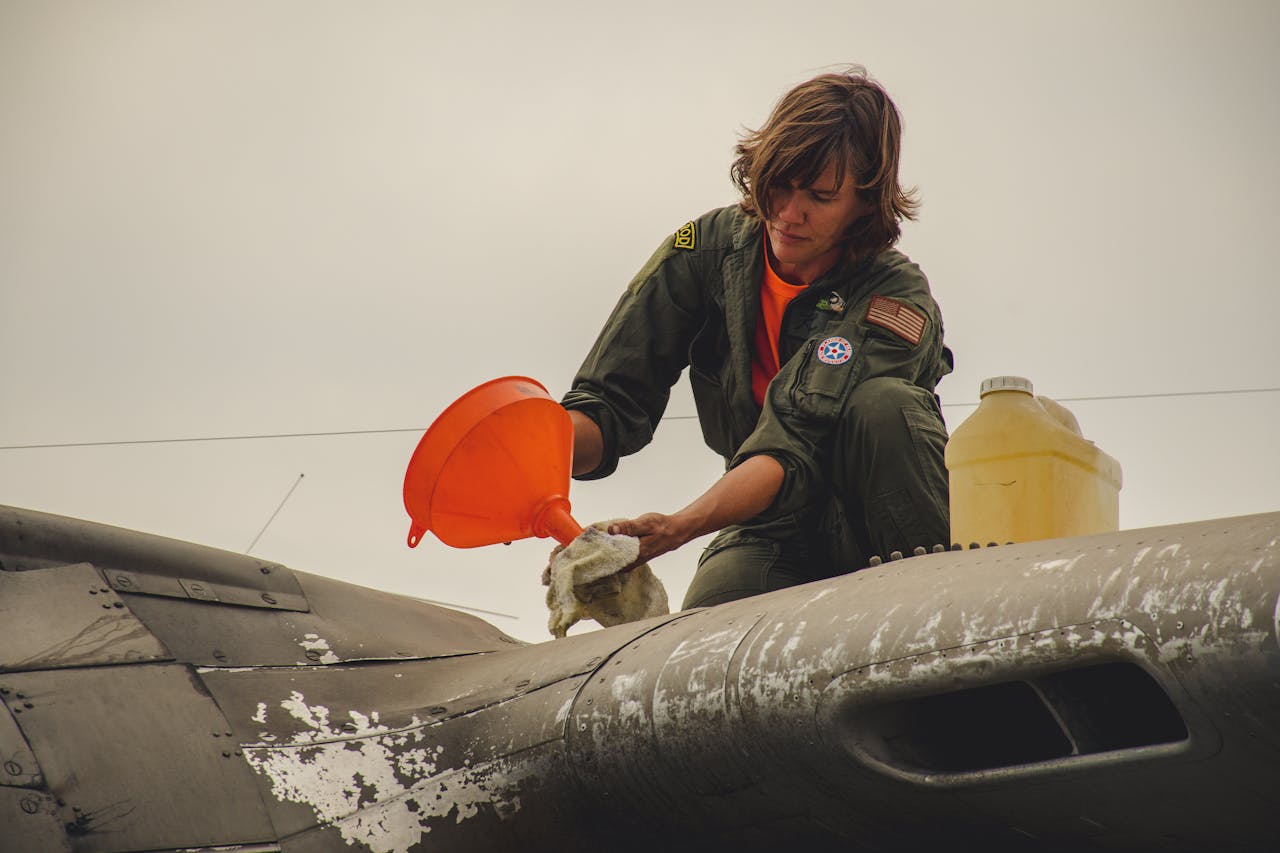
Aircraft servicing isn’t just another routine operation, it’s a high-stakes environment where attention to detail can mean the difference between a safe workday and a serious incident. Ground crews and technicians navigate a landscape filled with moving parts, electrical systems, and pressurized components, often all at once. The complexity of these operations demands more than just technical skill; it requires a deeply ingrained commitment to safety at every level. When organizations get serious about implementing strong safety measures, they’re not only protecting their people, they’re also keeping aircraft in top condition and operations running smoothly.
1. Establish Comprehensive Training Programs and Certification Requirements
Think of proper training as your first and most powerful defense against workplace incidents. Before anyone touches an aircraft or operates ground support equipment independently, they need rock-solid instruction that goes beyond basic procedures. We’re talking about comprehensive programs that cover everything from equipment operation to emergency responses, tailored to the specific aircraft types your team handles daily. But here’s the thing, safety standards evolve, technology advances, and what was best practice last year might not cut it today.
2. Conduct Regular Equipment Inspections and Preventive Maintenance
Documentation might sound tedious, but systematic record-keeping of inspections and repairs pays dividends. These records reveal patterns, identify recurring issues, and provide the data needed to make smarter maintenance decisions. Better yet, predictive maintenance strategies using modern monitoring systems can flag potential failures before they create hazardous situations. Here’s a reality check: when critical components fail, there’s always pressure to keep operations moving. But maintaining adequate spare parts inventories removes the temptation to push equipment beyond safe limits. When professionals need to maintain critical equipment reliability, especially for ground power units that see constant use, they often depend on reliable Hobart parts to keep operations running safely. Don’t forget about calibration, accurate readings from measurement instruments prevent the kind of errors that can turn routine tasks into dangerous situations. Proactive maintenance doesn’t just reduce incidents; it extends the life of expensive equipment while keeping your team safe.
3. Implement Clear Communication Protocols and Visual Safety Systems
Misunderstandings in aircraft servicing environments can escalate from minor confusion to major accidents frighteningly fast. That’s what makes crystal-clear communication among servicing personnel, flight crews, and ground control so critical. Standardized hand signals, radio procedures, and verbal confirmations ensure everyone’s on the same page about tasks, sequences, and safety status, no guessing, no assumptions. High-visibility clothing isn’t about fashion; it’s about making sure equipment operators and aircraft crews can spot team members instantly, even in low-light conditions or crowded ramp areas.
4. Enforce Strict Personal Protective Equipment Standards and Safety Zones
Organizations that provide readily accessible PPE storage and cleaning facilities make it easier for workers to do the right thing consistently. But access alone isn’t enough, supervisors need to actively enforce PPE requirements, demonstrating that safety standards apply universally, regardless of someone’s position or years of experience. Establishing exclusion zones around operating engines, moving aircraft, and energized ground power systems creates physical barriers that prevent personnel from wandering into hazardous areas. Regular audits of PPE compliance aren’t about catching people doing something wrong; they’re about identifying gaps in enforcement and opportunities to improve the protective equipment you’re providing.
5. Develop and Practice Emergency Response Procedures
Even with the most comprehensive preventive measures in place, emergencies can still happen, and how your team responds in those critical moments matters enormously. Well-rehearsed emergency response procedures ensure people react quickly and appropriately, turning potentially catastrophic situations into manageable incidents. Your organization needs specific action plans for realistic scenarios: fuel spills, ground equipment fires, personnel injuries, aircraft system malfunctions, and hazardous material releases. But plans on paper aren’t enough.
Conclusion
Improving safety during aircraft servicing isn’t about implementing one brilliant initiative, it’s about building integrated systems where training, equipment maintenance, communication, protective measures, and emergency preparedness reinforce each other continuously. Organizations that prioritize these five areas create environments where essential servicing tasks get done efficiently while risks stay manageable. Safety excellence emerges from consistent commitment across all these dimensions, not from isolated efforts that fade when attention shifts elsewhere. When you implement these strategies systematically and foster a culture where safety concerns receive immediate attention regardless of operational pressure, you’re protecting your most valuable asset, your people, while maintaining the operational reliability that keeps aircraft flying safely.


How to Build a Timeless Personal Style in a World of Fast-Changing Fashion Trends

Healing the Whole Person: The Ultimate Guide to Dual Diagnosis Treatment at LIV Recovery Center

Do Watch Colors Match Seasons?

Choosing the Right Cavitation Machine: What Every Clinic Owner Should Know Before Buying

How to Spot a More Trustworthy Phone Tarot Service
Beware, the cult that victimized teenagers has brought its performances to Japan

How Does the FRM Exam Help Build a Career in Risk Analytics?

What Happens When You Stop Taking Ozempic For Weight Loss?

Generative Furniture Modeling Review 2026: Automating Prototyping Workflows
Why Healthcare Press Releases Need Regulatory Awareness
How to Build a Timeless Personal Style in a World of Fast-Changing Fashion Trends
Healing the Whole Person: The Ultimate Guide to Dual Diagnosis Treatment at LIV Recovery Center
Do Watch Colors Match Seasons?
Choosing the Right Cavitation Machine: What Every Clinic Owner Should Know Before Buying
How to Spot a More Trustworthy Phone Tarot Service
Beware, the cult that victimized teenagers has brought its performances to Japan
How Does the FRM Exam Help Build a Career in Risk Analytics?
What Happens When You Stop Taking Ozempic For Weight Loss?
Generative Furniture Modeling Review 2026: Automating Prototyping Workflows
Why Healthcare Press Releases Need Regulatory Awareness

The Private World of Marina Pearl LeBlanc, Matt LeBlanc’s Only Child

What is Shoujo Ramune? The Comprehensive Guide

Who is Christina Erika Carandini Lee? Everything About Christopher Lee’s Daughter

Who is Amra Nor Jenkins? The Untold Story About Jeezy’s Daughter

The Untold Truth of William Mapel: A Deep Dive into His Personal Life

Who is Nicoletta Ruhl? Age, Family, Bio

The Rise of Ryan Nikolaos Sampras: From Humble Beginnings to Stardom

The Untold Story of Denika Kisty: Her Family, Net Worth, and More

William Givens Jensen Today: What We Know About Robin Givens’ Son

Meet Dominique Boxley: Anthony Fantano’s Mysterious and Supportive Partner
-
 Celebrity1 year ago
The Private World of Marina Pearl LeBlanc, Matt LeBlanc’s Only Child
-
 Entertainment2 years ago
What is Shoujo Ramune? The Comprehensive Guide
-
 Celebrity2 years ago
Who is Christina Erika Carandini Lee? Everything About Christopher Lee’s Daughter
-
 Life Style2 years ago
Who is Amra Nor Jenkins? The Untold Story About Jeezy’s Daughter
-
 Celebrity2 years ago
The Untold Truth of William Mapel: A Deep Dive into His Personal Life
-
 Life Style2 years ago
Who is Nicoletta Ruhl? Age, Family, Bio
-
 Celebrity2 years ago
The Rise of Ryan Nikolaos Sampras: From Humble Beginnings to Stardom
-
 Celebrity2 years ago
The Untold Story of Denika Kisty: Her Family, Net Worth, and More