Health
Healing the Whole Person: The Ultimate Guide to Dual Diagnosis Treatment at LIV Recovery Center

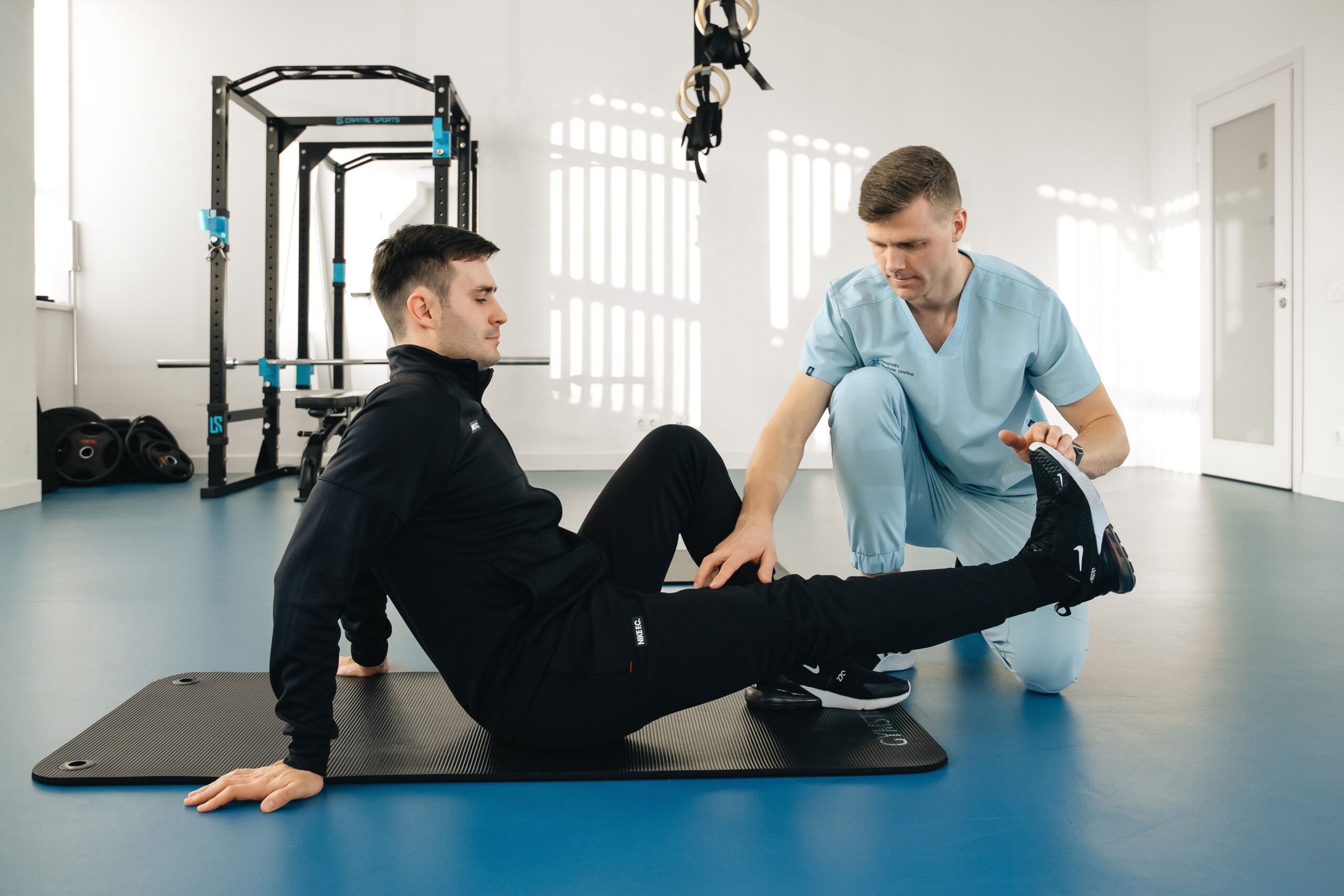
The path to addiction is rarely a straight line. For the vast majority of individuals, substance abuse does not develop in a vacuum; it is deeply intertwined with underlying emotional distress, unresolved trauma, or chronic psychiatric conditions. When a mental health disorder and a substance use disorder occur simultaneously, treating only the addiction is akin to painting over a crumbling foundation—eventually, the cracks will reappear, and the cycle of relapse will continue. To achieve true, lasting recovery, individuals must find specialized care that addresses both conditions concurrently. Finding comprehensive dual diagnosis treatment is the gold standard in modern behavioral healthcare, empowering individuals to heal on a profound, multidimensional level.
Located in the heart of the Johns Creek and Alpharetta, Georgia area, LIV Recovery Center has established itself as a premier destination for integrated addiction and mental health treatment. Operating as a boutique-style outpatient facility, LIV Recovery provides highly personalized, evidence-based care in a compassionate and nurturing environment. In this detailed guide, we will explore the intricate nature of co-occurring disorders, the vital importance of integrated clinical care, and how the expert team at LIV Recovery Center guides clients toward a sustainable, substance-free future.
1. Unmasking Co-Occurring Disorders: What is a Dual Diagnosis?
Addiction and mental health are inextricably linked. Understanding this connection is the first crucial step in dismantling the cycle of chronic relapse and securing the right level of clinical intervention.
The Intricate Link Between Mental Health and Addiction
In the clinical and behavioral health fields, a “dual diagnosis” (or co-occurring disorder) refers to the presence of both a substance use disorder and a mental health condition at the same time. These psychiatric conditions frequently include severe clinical depression, generalized anxiety disorder, bipolar disorder, panic disorders, and post-traumatic stress disorder (PTSD). Because these diseases affect the same neurological pathways in the brain—specifically those governing reward, motivation, and emotional regulation—they tend to exacerbate one another. This creates a vicious, self-sustaining cycle of physical and emotional decline that cannot be broken by willpower alone.
The Dangers of Self-Medication
One of the most common pathways to a dual diagnosis is the act of self-medication. When individuals experience the debilitating symptoms of an untreated mental health disorder—such as the crushing weight of depression or the hyper-vigilance of PTSD—they desperately seek relief. Alcohol and illicit drugs often provide a temporary, artificial escape. However, this relief is fleeting. As the brain builds a tolerance to the substance, the individual must consume more to achieve the same numbing effect, rapidly leading to a chemical dependency. Furthermore, as the substance leaves the body, the rebound effect causes the original psychiatric symptoms to return with even greater ferocity. Breaking this dangerous cycle requires an environment rooted in deep empathy and integrated care.
2. Why Integrated Treatment is Essential for Lasting Recovery
Historically, the medical community treated mental health and addiction as two separate issues, often requiring patients to achieve sobriety before they could receive psychiatric care. Today, industry experts understand that this fragmented approach is fundamentally flawed.
The Shortfalls of Fragmented Care
If a treatment center only addresses the substance abuse—focusing solely on detoxification and abstinence—the emotional root of the disease remains entirely exposed. For example, if a client drinks to suppress severe social anxiety, removing the alcohol leaves them completely defenseless against their anxiety. Without proper psychiatric intervention and targeted therapy, the internal pain becomes intolerable, and relapse becomes almost inevitable. Traditional rehab models often fail individuals with a dual diagnosis because they do not provide the necessary clinical oversight required to stabilize the underlying mental health condition.
The Power of Concurrent Healing at LIV Recovery Center
LIV Recovery Center champions a fully integrated model of care. This means that both the addiction and the mental health disorder are treated simultaneously by a cohesive team of licensed professionals. With over 30 years of combined personal and professional experience, their clinical team conducts comprehensive assessments to accurately diagnose any underlying conditions. By providing concurrent treatment, therapists ensure that clients receive the behavioral interventions needed to overcome substance abuse alongside the precise therapies needed to stabilize their mood. This holistic stabilization drastically reduces the internal triggers that drive the urge to use, laying a secure foundation for long-term psychological healing.
3. A Person-Centered, Boutique Approach to Outpatient Care
The physical and cultural environment of a rehabilitation facility plays a monumental role in a client’s willingness to engage in the therapeutic process. Large, institutionalized rehab centers often leave clients feeling like just another number. LIV Recovery Center has intentionally disrupted this model by offering a highly personalized, boutique experience.
PHP and IOP: Flexibility Meets Intensive Support
LIV Recovery Center understands that a “one-size-fits-all” approach does not work for dual diagnosis care. To ensure clients receive the exact level of support they need, the facility offers two tiers of daytime outpatient programming: Partial Hospitalization Programs (PHP) and Intensive Outpatient Programs (IOP), as well as evening IOP options.
- PHP serves as a rigorous, highly structured day program for individuals who require significant clinical support but have a safe home environment to return to at night.
- IOP offers a more flexible schedule, allowing clients to seamlessly integrate their intensive therapy with everyday responsibilities such as work, school, and family care. This allows clients to practice their newly acquired coping skills in real-world scenarios immediately.
A Trauma-Informed, Compassionate Community
For many individuals, co-occurring disorders are deeply rooted in unresolved trauma. LIV Recovery operates from a strict trauma-informed perspective. They do not rely on harsh confrontation or shame-based tactics. Instead, their boutique setting—which intentionally limits the number of clients to maintain a favorable staff-to-client ratio—fosters an environment of profound empathy, respect, and transparency. This ensures that every client feels valued, heard, and emotionally safe enough to explore the painful root causes of their addiction and mental health struggles.
4. Evidence-Based and Experiential Therapies for Whole-Person Healing
To effectively rewire a brain impacted by both addiction and mental illness, clinicians must utilize a diverse array of therapeutic tools. LIV Recovery Center combines scientifically rooted practices with holistic modalities to heal the whole person.
Rewiring the Brain: CBT, DBT, and ACT
The foundation of the clinical curriculum at LIV Recovery includes gold-standard, evidence-based psychotherapies:
- Cognitive Behavioral Therapy (CBT): Empowers clients to identify and dismantle the irrational, destructive thought patterns that precede their substance use and fuel their depression or anxiety.
- Dialectical Behavior Therapy (DBT): Focuses on emotional regulation, distress tolerance, and mindfulness, providing clients with actionable skills to survive severe emotional crises without resorting to self-medication.
- Acceptance and Commitment Therapy (ACT): Teaches clients to accept challenging feelings and make appropriate, value-driven changes to reach their personal goals.
Healing Through Action: Art Therapy and Mindfulness
Talk therapy is highly effective, but not all emotional pain can be easily articulated. Experiential therapies allow clients to heal by doing. LIV Recovery incorporates Art Therapy, which invites patients to examine complex emotions through the creative process, offering a gentle yet powerful therapeutic outlet. Additionally, the program emphasizes mindfulness and meditation practices to bring clients into the present moment, lower cortisol levels, and physically release the tension stored in the body during early recovery.
5. Breaking Down Barriers: Accessibility and Long-Term Success
A premier treatment program understands that healing is a lifelong journey, and that financial and practical barriers frequently prevent individuals from receiving life-saving care.
Maximizing Insurance Benefits for Stress-Free Care
The stress of paying for rehabilitation should never deter someone from seeking help. LIV Recovery Center is committed to making high-quality dual diagnosis treatment accessible and affordable. The facility is in-network with major insurance providers—including Blue Cross, Cigna, Aetna, Optum, and Oscar—and accepts most private pay insurances. Depending on a client’s specific benefits, treatment may be covered up to 100%. Their dedicated admissions team works transparently to verify coverage and handle the logistical stress, allowing the client to focus entirely on their healing.
Life Skills and Relapse Prevention
The ultimate goal of outpatient rehabilitation is to equip the individual with the tools they need to thrive independently. Throughout their programming, clients at LIV Recovery focus heavily on practical skill-building and relapse prevention. The curriculum incorporates essential life skills training—ranging from clear interpersonal communication to basic routines necessary for a stable lifestyle. By role-playing real-world scenarios and building a robust foundation of coping mechanisms, clients leave the program with the profound self-efficacy needed to face life’s inevitable challenges with resilience and grace.
Conclusion
Living with a dual diagnosis can feel like fighting a war on two fronts, but it is a battle you do not have to face alone. The cycle of substance abuse and mental health distress is incredibly powerful, but with the right clinical intervention, a compassionate support system, and a steadfast commitment to personal growth, lifelong recovery is entirely within your grasp.


Healing the Whole Person: The Ultimate Guide to Dual Diagnosis Treatment at LIV Recovery Center

Do Watch Colors Match Seasons?

Choosing the Right Cavitation Machine: What Every Clinic Owner Should Know Before Buying

How to Spot a More Trustworthy Phone Tarot Service
Beware, the cult that victimized teenagers has brought its performances to Japan

How Does the FRM Exam Help Build a Career in Risk Analytics?

What Happens When You Stop Taking Ozempic For Weight Loss?

Generative Furniture Modeling Review 2026: Automating Prototyping Workflows
Why Healthcare Press Releases Need Regulatory Awareness
How to Turn Your Bahrain Registration Into a Competitive Advantage
Healing the Whole Person: The Ultimate Guide to Dual Diagnosis Treatment at LIV Recovery Center
Do Watch Colors Match Seasons?
Choosing the Right Cavitation Machine: What Every Clinic Owner Should Know Before Buying
How to Spot a More Trustworthy Phone Tarot Service
Beware, the cult that victimized teenagers has brought its performances to Japan
How Does the FRM Exam Help Build a Career in Risk Analytics?
What Happens When You Stop Taking Ozempic For Weight Loss?
Generative Furniture Modeling Review 2026: Automating Prototyping Workflows
Why Healthcare Press Releases Need Regulatory Awareness
How to Turn Your Bahrain Registration Into a Competitive Advantage

The Private World of Marina Pearl LeBlanc, Matt LeBlanc’s Only Child

What is Shoujo Ramune? The Comprehensive Guide

Who is Christina Erika Carandini Lee? Everything About Christopher Lee’s Daughter

Who is Amra Nor Jenkins? The Untold Story About Jeezy’s Daughter

The Untold Truth of William Mapel: A Deep Dive into His Personal Life

The Untold Story of Denika Kisty: Her Family, Net Worth, and More

The Rise of Ryan Nikolaos Sampras: From Humble Beginnings to Stardom

Who is Nicoletta Ruhl? Age, Family, Bio

William Givens Jensen Today: What We Know About Robin Givens’ Son

Who Is Stephanie Sarkisian? All You Need To Know AboutSteve Sarkisian’s Ex-Wife
-
 Celebrity1 year ago
The Private World of Marina Pearl LeBlanc, Matt LeBlanc’s Only Child
-
 Entertainment2 years ago
What is Shoujo Ramune? The Comprehensive Guide
-
 Celebrity2 years ago
Who is Christina Erika Carandini Lee? Everything About Christopher Lee’s Daughter
-
 Life Style2 years ago
Who is Amra Nor Jenkins? The Untold Story About Jeezy’s Daughter
-
 Celebrity2 years ago
The Untold Truth of William Mapel: A Deep Dive into His Personal Life
-
 Celebrity2 years ago
The Untold Story of Denika Kisty: Her Family, Net Worth, and More
-
 Celebrity2 years ago
The Rise of Ryan Nikolaos Sampras: From Humble Beginnings to Stardom
-
 Life Style2 years ago
Who is Nicoletta Ruhl? Age, Family, Bio