Health
What Happens When You Stop Taking Ozempic For Weight Loss?

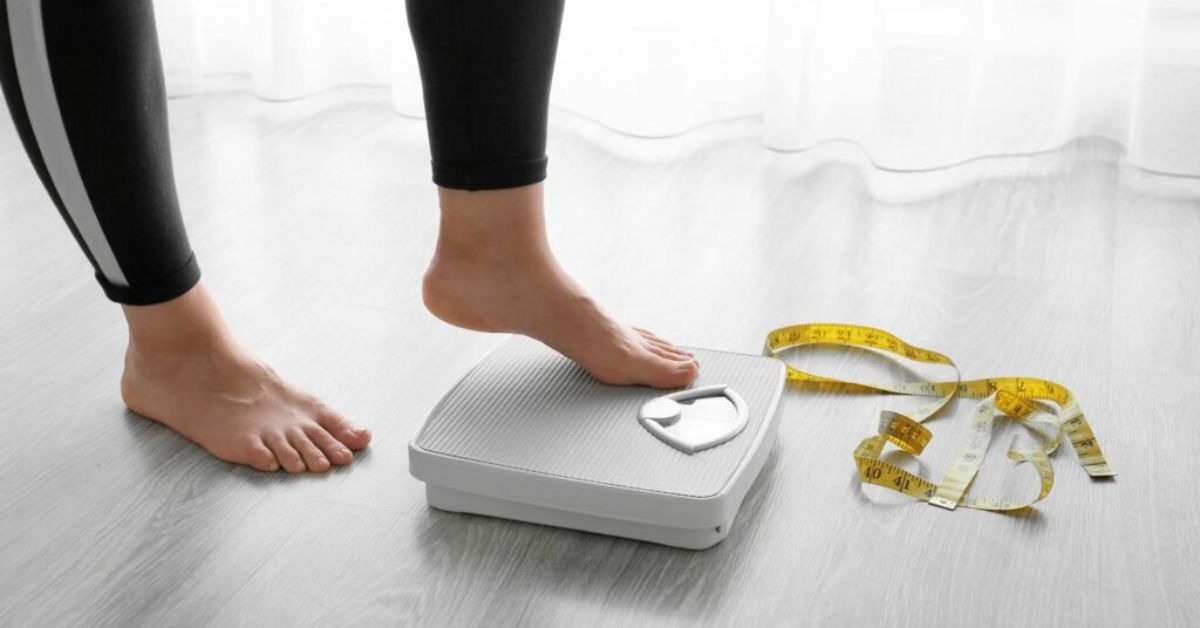
If you are using Ozempic for weight management, one of the most important questions is what happens when you stop taking Ozempic for weight loss. Many people achieve great progress during treatment, but stopping the medication brings new changes that are important to understand in advance.
With structured guidance from Zealthy, patients are supported in understanding how Ozempic weight loss works during treatment and what may happen afterward, so expectations remain realistic and long-term success becomes easier to maintain.
How Ozempic Supports Weight Loss
To understand what happens when you stop taking Ozempic for weight loss, it is important to first understand how it works in the body. Ozempic contains semaglutide, which mimics a natural hormone called GLP-1.
This hormone helps regulate appetite, digestion, and feelings of fullness. As a result, people feel satisfied with smaller portions and experience fewer cravings throughout the day.
Ozempic provides steady support for appetite control, helping reduce cravings and making long-term weight loss easier to maintain. However, this support is active only while the medication is being used.
Zealthy helps individuals understand that these changes are gradual and depend on continued treatment for sustained effect.
What Happens Right After Stopping Ozempic?
When you stop taking Ozempic, the medication does not leave the body instantly, but its effects slowly begin to fade over time. During the first few weeks, some people still feel reduced appetite, while others notice hunger gradually returning.
This transition period varies from person to person. Understanding what happens when you stop taking Ozempic for weight loss helps reduce confusion and prevents unrealistic expectations.
Most people do not experience sudden changes overnight, but rather a gradual shift in appetite and eating behavior.
Appetite May Increase Again
One of the most noticeable changes after stopping Ozempic is an increase in appetite. Since the medication helps regulate hunger signals, those signals may become stronger again once treatment ends.
People who were eating smaller portions may begin feeling hungry sooner or more frequently. Cravings for high-calorie foods may also return gradually.
This does not mean progress is lost immediately, but it does highlight the importance of maintaining healthy habits developed during treatment.
Zealthy emphasizes building long-term eating patterns that continue even after medication is stopped.
Can Weight Regain Happen?
A major concern related to what happens when you stop taking Ozempic for weight loss is weight regain. In some cases, weight can return if eating habits revert to previous patterns.
This is not caused by the medication itself, but by changes in appetite and calorie intake after stopping it. If more calories are consumed than the body needs, gradual weight gain may occur.
However, individuals who continue balanced nutrition and regular physical activity are more likely to maintain their results over time.
Metabolism After Stopping Ozempic
Another important factor is how metabolism behaves after stopping treatment. When weight is lost, the body naturally requires fewer calories to maintain that new weight.
This is a normal biological response and not specific to Ozempic. It simply means maintaining weight loss may require continued attention to eating habits.
Zealthy helps patients understand these metabolic adjustments so they can plan long-term strategies more effectively.
Emotional and Behavioral Changes
Stopping Ozempic may also affect eating behavior and emotions around food. During treatment, reduced cravings often make food decisions easier and more controlled.
After stopping, some people may notice emotional eating patterns returning, especially during stress, boredom, or social situations.
Understanding these behavioral shifts is an important part of managing Ozempic weight loss long term. Awareness helps prevent setbacks and supports healthier coping strategies.
How to Maintain Ozempic Weight Loss After Stopping
Maintaining results after stopping Ozempic depends largely on lifestyle habits. Balanced meals, portion control, and mindful eating play a key role in long-term success.
Protein-rich foods help improve fullness, while fiber-rich vegetables support digestion and appetite control. Regular physical activity also helps maintain calorie balance and supports metabolism.
Consistent routines are often more effective than strict dieting. Zealthy encourages patients to focus on habits that can be maintained long after medication ends.

Why Results Vary Between Individuals
Not everyone experiences the same changes after stopping treatment. Factors such as metabolism, starting weight, lifestyle habits, and consistency during treatment all influence outcomes.
Some individuals maintain most of their progress, while others experience partial weight regain. Both outcomes are common and depend heavily on long-term habits.
Understanding this variation helps set realistic expectations for what happens when you stop taking Ozempic for weight loss.
Long-Term Weight Management Strategy
Ozempic is a helpful tool, but long-term weight management depends on sustainable habits. The goal is not only to lose weight but to maintain results after treatment ends.
People who use medication as part of a broader lifestyle change often achieve better long-term outcomes. This includes consistent eating patterns, physical activity, sleep, and stress management. Zealthy focuses on helping individuals build this long-term structure for lasting success.
Conclusion
Understanding what happens when you stop taking Ozempic for weight loss is essential for anyone planning or currently using the medication. While appetite may increase and weight regain is possible, these outcomes are not guaranteed.
The habits built during treatment play the most important role in maintaining progress. With balanced nutrition, regular activity, and consistent routines, many people are able to preserve their Ozempic weight loss results.
With support from Zealthy, individuals can better prepare for life after treatment and focus on long-term, sustainable weight management.
FAQs
1. What happens when you stop taking Ozempic for weight loss?
Appetite may gradually return, and maintaining healthy habits becomes important to preserve results.
2. Will I regain weight after stopping Ozempic?
It depends on lifestyle habits. Some people regain weight, while others maintain their progress.
3. How long do Ozempic effects last after stopping?
Effects fade gradually over several weeks after the last dose.
4. Can I maintain Ozempic weight loss without medication?
Yes, with consistent healthy eating, exercise, and lifestyle habits.
5. Why does appetite increase after stopping Ozempic?
Because the medication no longer regulates hunger hormones, natural appetite signals return.


Healing the Whole Person: The Ultimate Guide to Dual Diagnosis Treatment at LIV Recovery Center

Do Watch Colors Match Seasons?

Choosing the Right Cavitation Machine: What Every Clinic Owner Should Know Before Buying

How to Spot a More Trustworthy Phone Tarot Service
Beware, the cult that victimized teenagers has brought its performances to Japan

How Does the FRM Exam Help Build a Career in Risk Analytics?

What Happens When You Stop Taking Ozempic For Weight Loss?

Generative Furniture Modeling Review 2026: Automating Prototyping Workflows
Why Healthcare Press Releases Need Regulatory Awareness
How to Turn Your Bahrain Registration Into a Competitive Advantage
Healing the Whole Person: The Ultimate Guide to Dual Diagnosis Treatment at LIV Recovery Center
Do Watch Colors Match Seasons?
Choosing the Right Cavitation Machine: What Every Clinic Owner Should Know Before Buying
How to Spot a More Trustworthy Phone Tarot Service
Beware, the cult that victimized teenagers has brought its performances to Japan
How Does the FRM Exam Help Build a Career in Risk Analytics?
What Happens When You Stop Taking Ozempic For Weight Loss?
Generative Furniture Modeling Review 2026: Automating Prototyping Workflows
Why Healthcare Press Releases Need Regulatory Awareness
How to Turn Your Bahrain Registration Into a Competitive Advantage

The Private World of Marina Pearl LeBlanc, Matt LeBlanc’s Only Child

What is Shoujo Ramune? The Comprehensive Guide

Who is Christina Erika Carandini Lee? Everything About Christopher Lee’s Daughter

Who is Amra Nor Jenkins? The Untold Story About Jeezy’s Daughter

The Untold Truth of William Mapel: A Deep Dive into His Personal Life

Who is Nicoletta Ruhl? Age, Family, Bio

The Untold Story of Denika Kisty: Her Family, Net Worth, and More

The Rise of Ryan Nikolaos Sampras: From Humble Beginnings to Stardom

William Givens Jensen Today: What We Know About Robin Givens’ Son

Meet Dominique Boxley: Anthony Fantano’s Mysterious and Supportive Partner
-
 Celebrity1 year ago
The Private World of Marina Pearl LeBlanc, Matt LeBlanc’s Only Child
-
 Entertainment2 years ago
What is Shoujo Ramune? The Comprehensive Guide
-
 Celebrity2 years ago
Who is Christina Erika Carandini Lee? Everything About Christopher Lee’s Daughter
-
 Life Style2 years ago
Who is Amra Nor Jenkins? The Untold Story About Jeezy’s Daughter
-
 Celebrity2 years ago
The Untold Truth of William Mapel: A Deep Dive into His Personal Life
-
 Life Style2 years ago
Who is Nicoletta Ruhl? Age, Family, Bio
-
 Celebrity2 years ago
The Untold Story of Denika Kisty: Her Family, Net Worth, and More
-
 Celebrity2 years ago
The Rise of Ryan Nikolaos Sampras: From Humble Beginnings to Stardom