Blog
Choosing the Right Handrails for Stylish Home Renovations

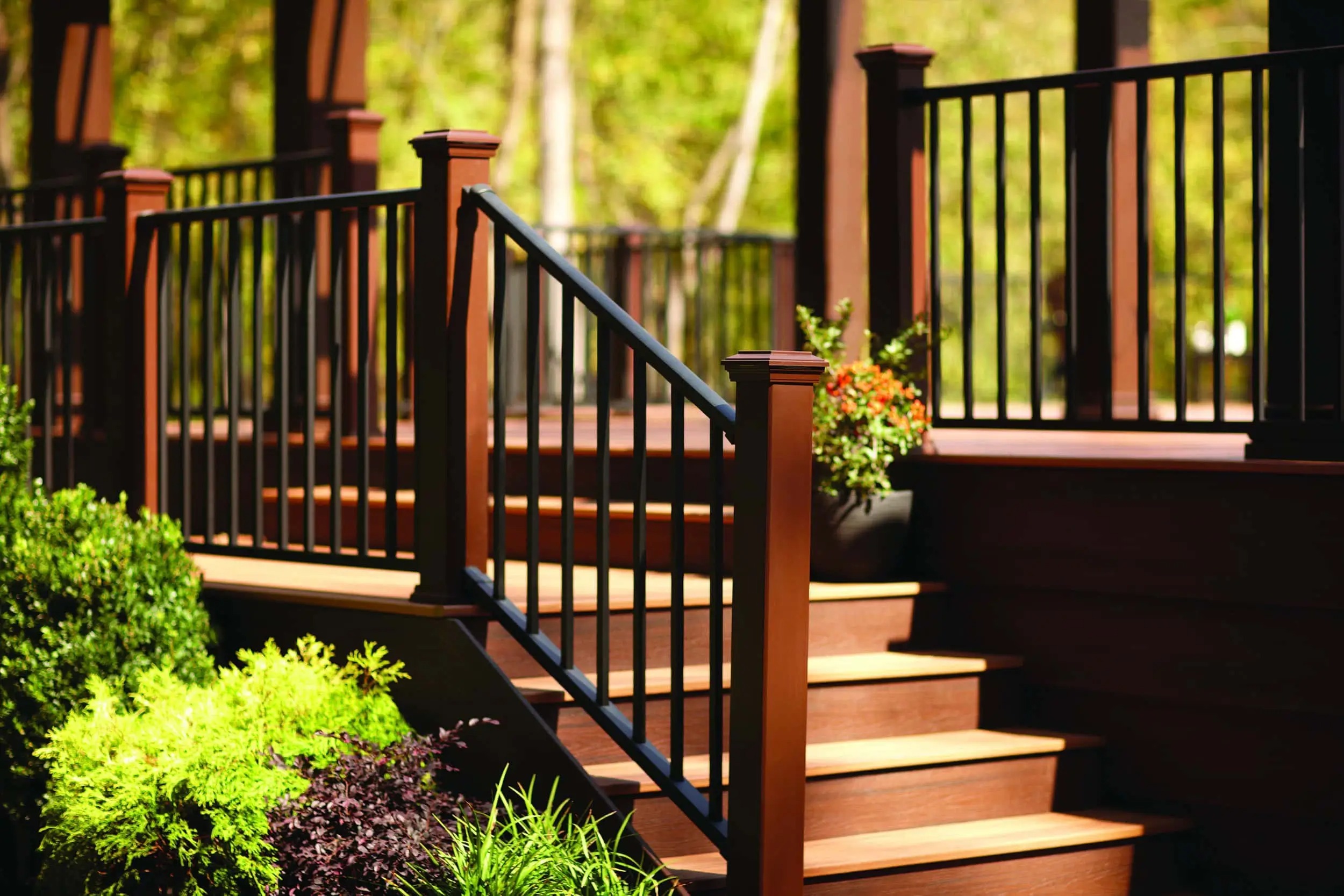
Handrails are a surprisingly complicated factor to consider in the course of home renovation. They are permanent things that have to meet building codes, go along with your design preferences, be affordable, and continue to be safe for decades. If you make a mistake with them, you will have to endure the constant reminder of your poor decision; however, getting them right turns a functional necessity into an architectural treasure that enhances your entire renovation.
Because handrails are very noticeable and costly to replace once installed, the stakes seem very high. Paint colors or light fixtures can be changed pretty easily, but handrail systems are structurally mounted and often require professional installation. Since they are so permanent, you should choose styles that will still suit your taste years from now when your preferences change and design trends go out of fashion, not just trendy ones.
Aligning Style With Your Renovation Vision
Every renovation has a core aesthetic that drives it whether the goal is a modern farmhouse, an industrial loft, a coastal contemporary, or a traditional elegance. Your handrail selection either supports that vision or works against it. The rift occurs when homeowners see handrails as mere afterthoughts and choose them only based on price or availability without considering how they fit the overall design concept.
Contemporary refurbishments mainly demand clean lines and minimal visual breaks. Therefore, cable railings, slim metal profiles, or frameless glass panels help these concepts by limiting the bulk and preserving the openness of the sightlines. These solutions enable the architecturally designed space to be the focus without the addition of another element which is totally in line with the modern design philosophy that puts simplicity and deliberate use of negative space at the center.
Traditional renovations benefit from handrails with more substantial presence and ornamental detail. Wrought Iron Handrails bring the craftsmanship and decorative possibilities that complement classical architecture. Wood systems with turned balusters or carved details can also work beautifully, providing the richness and texture that traditional interiors demand. The key is ensuring the level of ornamentation matches the formality of your overall renovation.
Material Decisions and Practical Considerations
Choosing materials is a process that goes significantly beyond mere look and serves the world of real, life performance as well. Wood has an attractiveness which is not affected by time and also gives a feeling of natural warmth but it is susceptible to wear and tear in high, traffic areas and has to be kept in good condition regularly. Different wood species have different levels of durability. For example, oak can take a lot more abuse than pine, and while exotic hardwoods might certainly wow you with their appearance being at the top of the price spectrum, they still need to be handled with care.
Metal fencing systems of any kind are capable of giving great resistance to the elements with the least amount of care and attention required without them being overhauled. Neither of these situations will be true in the case of wooden railings that over time become warped, cracked, and develop various surface defects. On the downside, the incredibly efficient heat transfer of metals will therefore have metal rails being not very comfortable to grip when the temperature is very low or high unless you have added some kind of material at the points of contact or you have chosen the designs with wooden handrails mounted on metal frames.
Glass fencing is a great way to invite brightness and create a sense of openness but you will have to be very diligent in cleaning the glass surfaces if you want to enjoy this effect. Fingerprints, smudges, and dust show prominently on glass panels, particularly in homes with children. Besides being a costly investment, tempered glass paneling must be professionally installed to guarantee safety and code compliance. They are most appropriate in settings where there is a high level of match between maintenance commitment and the desire for unobstructed views.
Coordinating With Existing and New Elements
Good renovations blend the two elements new and old and don’t make them look like separate parts. The choice of your handrails should serve as a link between these two spheres and should be a reference to the existing architectural details, while at the same time clearly belonging to the updated aesthetic of the renovation. This balancing act takes a very close look at what is already there and a very careful consideration of the things that one echoes versus the ones that one contrasts.
Matching finishes to existing hardware that you use around your house gives it a cohesive look. So for instance, if you door handles, the light fixtures, and the cabinet pulls are in oil, rubbed bronze, then continuing that color through your handrails will give a very strong design language that is unified. On the other hand, you can purposely use contrasting finishes if you want your handrails to be the stand out features, but this approach takes a lot of practice and confidence in order not to look like an uncoordinated mess.
Architectural details such as moldings, trim profiles, and other decorative elements are design cues that handrails can draw from. For example, if a house has simple and square, edged trim all, round the house, then its handrails can have clean and simple profiles too, whereas a building featuring a highly decorated crown molding might have the more decorative baluster designs. These visual echoes create subconscious ties that make the places feel like they are thoughtfully designed.
Future-Proofing Your Investment
Renovation choices can have impacts on your home for years or even decades, and the same is true for handrails. Selecting systems that can meet future needs without a necessity for replacement is a way to safeguard your investment and minimize the risk of long, term troubles. This kind of thinking ahead becomes especially relevant in the case of homeowners who intend to age in place or those who expect changes in the household composition.
Installing accessible features is a matter of consideration that becomes more and more important as the household members grow older. Handrails that are well, positioned and of a size that makes them easy to grasp even for people suffering from arthritis or having reduced hand strength will be of great help not only for such users but as an investment in the future. Handrails that run continuously and that do not break onto the landings or changes of the floor level provide more support than handrails that are interrupted. Such characteristics are for the benefit of everyone at present and at the same time, they are characteristic that will be essential for the need of future mobility.
Style is a big issue in deciding what to do. The ultra, trendy design that is a veritable cutting edge today may look outdated in five years’ time and that might have an impact on your resale value and it will also definitely affect your satisfaction on a daily basis. A classic approach whether traditional or modern has been seen to be able to last through decades. If you don’t know, opting for a classic choice rather than a fashionable one will generally be a wise long, term decision.
Making the Choice That Works
Balancing several factors that sometimes compete with each other is what selecting handrails for home renovations is about. Factors that might include the style alignment, material performance, code requirements, coordination with existing elements, and future needs. No single choice is perfect in every aspect. Nevertheless, by knowing the compromises, you can make decisions that rely on the most important aspects of your situation.
The most successful handrail selections result from the decision being methodically planned rather than impulsively made. Working through your renovation’s overall vision, clarifying what codes really require, mulling over the long, term implications, and seeing how different options fit your particular space are the ways that help you make decisions that you will be happy with not just now but for years. These permanent fixtures deserve the same level of attention that goes into the creation of home renovations in which you can truly take pride.


Do Watch Colors Match Seasons?

Choosing the Right Cavitation Machine: What Every Clinic Owner Should Know Before Buying

How to Spot a More Trustworthy Phone Tarot Service
Beware, the cult that victimized teenagers has brought its performances to Japan

How Does the FRM Exam Help Build a Career in Risk Analytics?

What Happens When You Stop Taking Ozempic For Weight Loss?

Generative Furniture Modeling Review 2026: Automating Prototyping Workflows
Why Healthcare Press Releases Need Regulatory Awareness
How to Turn Your Bahrain Registration Into a Competitive Advantage

Company License in Saudi Arabia: Matching Activity for UK Firms
Do Watch Colors Match Seasons?
Choosing the Right Cavitation Machine: What Every Clinic Owner Should Know Before Buying
How to Spot a More Trustworthy Phone Tarot Service
Beware, the cult that victimized teenagers has brought its performances to Japan
How Does the FRM Exam Help Build a Career in Risk Analytics?
What Happens When You Stop Taking Ozempic For Weight Loss?
Generative Furniture Modeling Review 2026: Automating Prototyping Workflows
Why Healthcare Press Releases Need Regulatory Awareness
How to Turn Your Bahrain Registration Into a Competitive Advantage
Company License in Saudi Arabia: Matching Activity for UK Firms

The Private World of Marina Pearl LeBlanc, Matt LeBlanc’s Only Child

What is Shoujo Ramune? The Comprehensive Guide

Who is Christina Erika Carandini Lee? Everything About Christopher Lee’s Daughter

Who is Amra Nor Jenkins? The Untold Story About Jeezy’s Daughter

The Untold Truth of William Mapel: A Deep Dive into His Personal Life

The Untold Story of Denika Kisty: Her Family, Net Worth, and More

The Rise of Ryan Nikolaos Sampras: From Humble Beginnings to Stardom

Who is Nicoletta Ruhl? Age, Family, Bio

William Givens Jensen Today: What We Know About Robin Givens’ Son

Who Is Stephanie Sarkisian? All You Need To Know AboutSteve Sarkisian’s Ex-Wife
-
 Celebrity1 year ago
The Private World of Marina Pearl LeBlanc, Matt LeBlanc’s Only Child
-
 Entertainment2 years ago
What is Shoujo Ramune? The Comprehensive Guide
-
 Celebrity2 years ago
Who is Christina Erika Carandini Lee? Everything About Christopher Lee’s Daughter
-
 Life Style2 years ago
Who is Amra Nor Jenkins? The Untold Story About Jeezy’s Daughter
-
 Celebrity2 years ago
The Untold Truth of William Mapel: A Deep Dive into His Personal Life
-
 Celebrity2 years ago
The Untold Story of Denika Kisty: Her Family, Net Worth, and More
-
 Celebrity2 years ago
The Rise of Ryan Nikolaos Sampras: From Humble Beginnings to Stardom
-
 Life Style2 years ago
Who is Nicoletta Ruhl? Age, Family, Bio