Business
Eco-Friendly Tarpaulins: High Quality Meets Sustainability

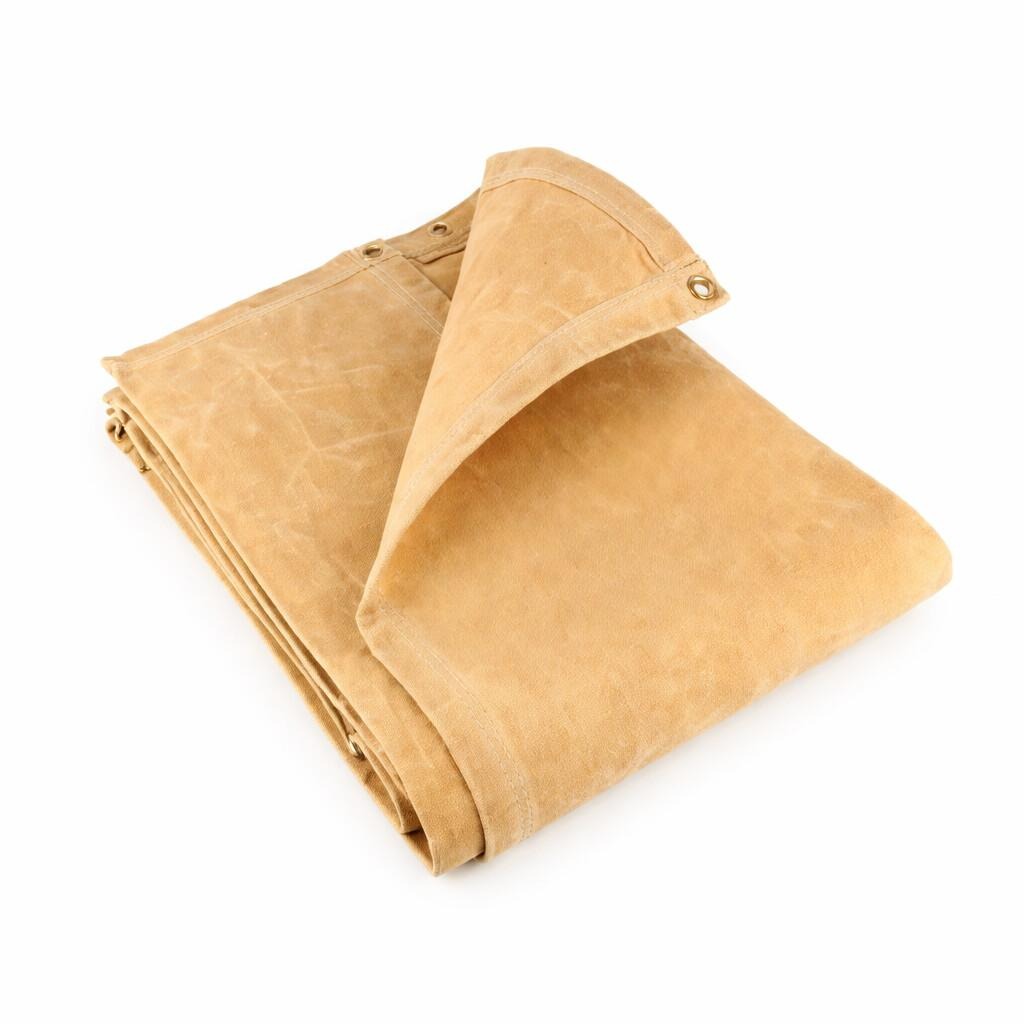
Businesses are becoming increasingly aware of their ecological footprint nowadays. Industries require durable tarpaulins for the protection of materials, equipment, and inventories. They also want to make sustainable choices. Tarpaulins made of environmentally friendly materials & methods of manufacture. They help to protect businesses in conjunction with a greener planet.
What Are Eco-Friendly Tarpaulins?
Eco-friendly tarpaulins are reusable heavy-duty covers made of recyclable materials. These tarps are tough, waterproof, tear-proof, and great for the environment. A majority of these products are made from reused plastics or further reduced coatings. Eco-friendly tarps perform just as well as traditional tarps, made with sustainability in mind.
Protecting Equipment and Materials the Green Way
Businesses use tarpaulins mainly to protect their equipment, automobiles, and stored material from damage from the rain, dust, sun and more. Eco-friendly tarpaulins perform similar functions but with less environmental damage. Using eco-friendly tarps protects machinery, raw materials, and stock while being environmentally friendly at the same time. Companies may protect assets while simultaneously providing support for sustainability.
Benefits of Eco-Friendly Tarpaulins
Eco-friendly Canvas Tarpaulin bags are advantageous for business and the environment.
- Durable Material – Prevent tearing, getting wet and getting worn out for your gear or material.
- Most of the trash and waste that ends up in dumpsters can be recycled.
- In the long run, tarps are cost-effective because they do not need to be replaced.
- By using eco-friendly tarps, businesses can achieve their green goals and eco-certifications.
- Non-toxic paints and materials are safe for workers and all products that are kept inside.
How Eco-Friendly Tarpaulins Are Made
Eco-friendly tarpaulins have been manufactured from recycled/sustainably sourced materials. The post-consumer products can be used for recycling of polyethylene and PVC, canvas, and other fabrics using sustainable fibres. Production systems, in many cases, are designed to minimize energy use, water use and chemical waste. These practices enable businesses to have quality protection at a lower environmental cost.
Applications Across Industries
Eco-friendly tarpaulins are used in many industries. Construction site protection is for machinery & equipment, scaffolding and building materials as they are prone to damage by rain, dust, moisture and sunlight. Transportation companies use eco-friendly tarpaulins to cloak their cargo. Warehouses keep stock under Green Covers to prevent contamination. In fact, farmers are now using sustainable tarps to cover their crops, hay, and equipment. They help to reduce environmental harm in the process, as they’re often made from organic materials.
Choosing the Right Eco-Friendly Tarpaulin
Choosing the right tarp means considering size, material and environmental benefits. Lightweight and waterproof recycled polyethylene tarps can be used for general protection. PVC tarps are stronger, flexible, UV-resistant, and water-resistant. Canvas tarps are very durable and long-lasting. An ideal tarp for your business must be certified as eco-friendly, non-toxic, and manufactured responsibly.
Reinforced Features for Industrial Strength
Eco-friendly versions of tarpaulins also exhibit reinforced edges like conventional options. The ensemble support edge helps to prevent ripping on the sides of the tarp. There are sustainable options for fire-resistant or UV-protected coatings. These features of eco-friendly tarps mean they provide the same heavy-duty protection businesses need while being responsible.
Maintaining Your Eco-Friendly Tarpaulin
Even eco-friendly tarps require proper care to lengthen their lifespan. Cleaning and proper storing will avoid any cracks or fraying in your foam flooring. Routine inspections can reveal minuscule damages before they escalate into big issues that require bigger, more costly repairs. Do not put too much weight on the tarps as they can get damaged. Replacing tarps every few years can generate a lot of waste; on the other hand, with proper maintenance, the sustainable tarp will last for years.
Eco-Friendly Tarpaulins for a Greener Future
Sustainability is now at the heart of business practices. Using eco-friendly tarpaulins helps companies in reducing plastic waste and resource consumption, and also avoiding chemical pollution. The use of sustainable tarps also boosts your corporate reputation as it shows your business cares. By opting for eco-friendly choices, our universal assets are protected, and it leads to a greener, cleaner future.
Conclusion
High quality and Eco-friendly tarpaulins are the perfect combination. Businesses can protect machinery, stock, and materials from weather damage, dust and wear and lessen their carbon footprint. Strong, multifunctional, and tailored to specifications, these tarps meet the high needs of modern industry without harming the earth. By investing in eco-friendly tarpaulins, companies protect their assets, save money in the long run, and contribute to a better future. Eco-friendly tarps make it possible to provide top-tier protection whilst being environmentally responsible.


Healing the Whole Person: The Ultimate Guide to Dual Diagnosis Treatment at LIV Recovery Center

Do Watch Colors Match Seasons?

Choosing the Right Cavitation Machine: What Every Clinic Owner Should Know Before Buying

How to Spot a More Trustworthy Phone Tarot Service
Beware, the cult that victimized teenagers has brought its performances to Japan

How Does the FRM Exam Help Build a Career in Risk Analytics?

What Happens When You Stop Taking Ozempic For Weight Loss?

Generative Furniture Modeling Review 2026: Automating Prototyping Workflows
Why Healthcare Press Releases Need Regulatory Awareness
How to Turn Your Bahrain Registration Into a Competitive Advantage
Healing the Whole Person: The Ultimate Guide to Dual Diagnosis Treatment at LIV Recovery Center
Do Watch Colors Match Seasons?
Choosing the Right Cavitation Machine: What Every Clinic Owner Should Know Before Buying
How to Spot a More Trustworthy Phone Tarot Service
Beware, the cult that victimized teenagers has brought its performances to Japan
How Does the FRM Exam Help Build a Career in Risk Analytics?
What Happens When You Stop Taking Ozempic For Weight Loss?
Generative Furniture Modeling Review 2026: Automating Prototyping Workflows
Why Healthcare Press Releases Need Regulatory Awareness
How to Turn Your Bahrain Registration Into a Competitive Advantage

The Private World of Marina Pearl LeBlanc, Matt LeBlanc’s Only Child

What is Shoujo Ramune? The Comprehensive Guide

Who is Christina Erika Carandini Lee? Everything About Christopher Lee’s Daughter

Who is Amra Nor Jenkins? The Untold Story About Jeezy’s Daughter

The Untold Truth of William Mapel: A Deep Dive into His Personal Life

Who is Nicoletta Ruhl? Age, Family, Bio

The Rise of Ryan Nikolaos Sampras: From Humble Beginnings to Stardom

The Untold Story of Denika Kisty: Her Family, Net Worth, and More

William Givens Jensen Today: What We Know About Robin Givens’ Son

Meet Dominique Boxley: Anthony Fantano’s Mysterious and Supportive Partner
-
 Celebrity1 year ago
The Private World of Marina Pearl LeBlanc, Matt LeBlanc’s Only Child
-
 Entertainment2 years ago
What is Shoujo Ramune? The Comprehensive Guide
-
 Celebrity2 years ago
Who is Christina Erika Carandini Lee? Everything About Christopher Lee’s Daughter
-
 Life Style2 years ago
Who is Amra Nor Jenkins? The Untold Story About Jeezy’s Daughter
-
 Celebrity2 years ago
The Untold Truth of William Mapel: A Deep Dive into His Personal Life
-
 Life Style2 years ago
Who is Nicoletta Ruhl? Age, Family, Bio
-
 Celebrity2 years ago
The Rise of Ryan Nikolaos Sampras: From Humble Beginnings to Stardom
-
 Celebrity2 years ago
The Untold Story of Denika Kisty: Her Family, Net Worth, and More