Business
Electric Bikes: A Smart Step Toward Sustainable and Modern Transportation

Introduction
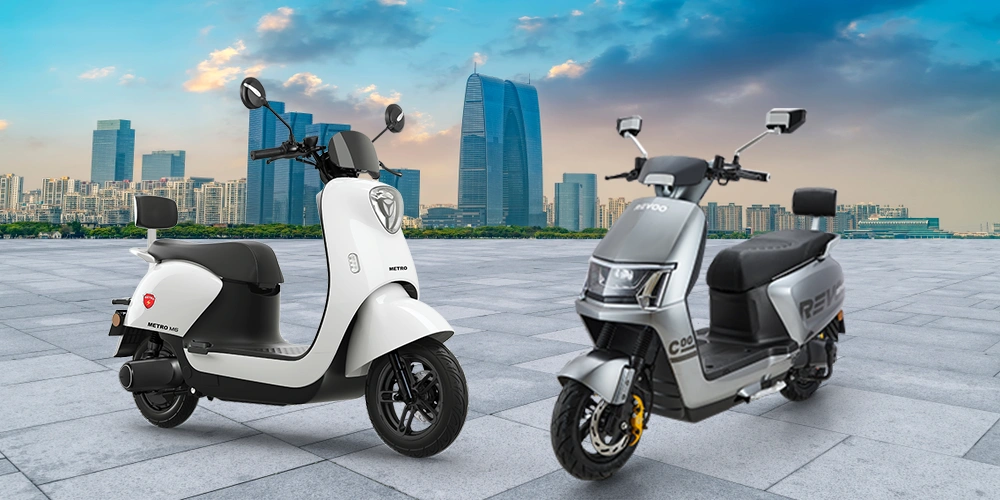
Electric bikes have rapidly become one of the most exciting innovations in personal transportation. As cities grow more crowded and fuel prices continue to rise, people are searching for efficient, affordable, and environmentally friendly ways to travel. Electric bikes, often called e-bikes, offer a perfect balance between traditional cycling and modern technology. They provide convenience, comfort, and sustainability, making them an ideal choice for daily commuting and short-distance travel.
What Is an Electric Bike?
An electric bike is a bicycle equipped with an electric motor and a rechargeable battery that assists the rider while pedaling. Unlike motorcycles, electric bikes still allow physical activity, but the motor reduces effort, especially on long routes or uphill roads.
Most electric bikes come with different riding modes such as pedal-assist and full electric mode. Riders can switch between modes depending on their energy level and travel needs. The batteries used are usually lightweight lithium-ion batteries that can be easily charged at home using a standard power outlet.
Growing Popularity of Electric Bikes
The demand for electric bikes is increasing worldwide. One major reason is the rising cost of fuel. Electric bikes operate on electricity, which is significantly cheaper than petrol or diesel. This makes them an economical choice for students, office workers, and delivery riders.
Urban traffic congestion is another factor contributing to their popularity. Electric bikes are compact and flexible, allowing riders to move smoothly through traffic and reach destinations faster. Parking is also easier compared to cars or motorcycles.
Environmental awareness has also encouraged people to adopt electric mobility. Since electric bikes produce no direct emissions, they help reduce air pollution and contribute to cleaner cities.
Economic Advantages
Electric bikes are cost-effective in the long run. Although the initial purchase price may seem high compared to a regular bicycle, operating costs are extremely low. Charging the battery costs only a small amount of electricity, and maintenance expenses are minimal.
Unlike fuel-powered vehicles, electric bikes require fewer mechanical repairs. There is no need for engine oil changes or expensive servicing, making them budget-friendly transportation options.
Health and Lifestyle Benefits
Electric bikes promote a healthier lifestyle while offering convenience. Riders still pedal, which provides light physical exercise and improves cardiovascular health. This makes e-bikes suitable for people of different age groups, including those who may find traditional cycling too exhausting.
Using electric bikes also reduces stress associated with traffic jams and long commutes. Riding outdoors improves mental well-being and encourages an active lifestyle without excessive physical strain.
She wasn’t doing a thing that I could see, except standing there leaning on the balcony railing. You never really understand a person until you consider things from his point of view. Memories warm you up from the inside. But they also tear you apart.
Technology and Innovation
Modern electric bikes are equipped with advanced technological features. Digital displays show speed, battery level, and travel distance. Some models include smartphone connectivity, GPS tracking, anti-theft systems, and multiple speed settings.
Battery technology continues to improve, allowing faster charging times and longer riding ranges. Lightweight frames and efficient motors enhance overall performance and rider comfort.
Challenges Facing Electric Bikes
Despite their advantages, electric bikes still face certain challenges. The initial purchase cost can be higher than traditional bicycles. Battery replacement after several years can also be expensive.
In some areas, charging stations and proper cycling lanes are limited, which may restrict long-distance travel. Safety awareness and better road infrastructure are important for wider adoption.
Future of Electric Bikes
The future of electric bikes looks extremely promising. Governments and environmental organizations are promoting electric vehicles to reduce pollution and energy consumption. Advances in battery technology and manufacturing are expected to make e-bikes more affordable and efficient.
As urban planning evolves, cities are becoming more bike-friendly, encouraging people to shift toward sustainable transportation solutions.
Conclusion
In conclusion, electric bikes represent a modern solution to transportation challenges. They combine technology, affordability, health benefits, and environmental responsibility in one efficient vehicle. As awareness about sustainability continues to grow, electric bikes are set to play a major role in shaping the future of urban mobility and creating cleaner, smarter cities for generations to come.
Read More Find Magazine


Healing the Whole Person: The Ultimate Guide to Dual Diagnosis Treatment at LIV Recovery Center

Do Watch Colors Match Seasons?

Choosing the Right Cavitation Machine: What Every Clinic Owner Should Know Before Buying

How to Spot a More Trustworthy Phone Tarot Service
Beware, the cult that victimized teenagers has brought its performances to Japan

How Does the FRM Exam Help Build a Career in Risk Analytics?

What Happens When You Stop Taking Ozempic For Weight Loss?

Generative Furniture Modeling Review 2026: Automating Prototyping Workflows
Why Healthcare Press Releases Need Regulatory Awareness
How to Turn Your Bahrain Registration Into a Competitive Advantage
Healing the Whole Person: The Ultimate Guide to Dual Diagnosis Treatment at LIV Recovery Center
Do Watch Colors Match Seasons?
Choosing the Right Cavitation Machine: What Every Clinic Owner Should Know Before Buying
How to Spot a More Trustworthy Phone Tarot Service
Beware, the cult that victimized teenagers has brought its performances to Japan
How Does the FRM Exam Help Build a Career in Risk Analytics?
What Happens When You Stop Taking Ozempic For Weight Loss?
Generative Furniture Modeling Review 2026: Automating Prototyping Workflows
Why Healthcare Press Releases Need Regulatory Awareness
How to Turn Your Bahrain Registration Into a Competitive Advantage

The Private World of Marina Pearl LeBlanc, Matt LeBlanc’s Only Child

What is Shoujo Ramune? The Comprehensive Guide

Who is Christina Erika Carandini Lee? Everything About Christopher Lee’s Daughter

Who is Amra Nor Jenkins? The Untold Story About Jeezy’s Daughter

The Untold Truth of William Mapel: A Deep Dive into His Personal Life

Who is Nicoletta Ruhl? Age, Family, Bio

The Rise of Ryan Nikolaos Sampras: From Humble Beginnings to Stardom

The Untold Story of Denika Kisty: Her Family, Net Worth, and More

William Givens Jensen Today: What We Know About Robin Givens’ Son

Meet Dominique Boxley: Anthony Fantano’s Mysterious and Supportive Partner
-
 Celebrity1 year ago
The Private World of Marina Pearl LeBlanc, Matt LeBlanc’s Only Child
-
 Entertainment2 years ago
What is Shoujo Ramune? The Comprehensive Guide
-
 Celebrity2 years ago
Who is Christina Erika Carandini Lee? Everything About Christopher Lee’s Daughter
-
 Life Style2 years ago
Who is Amra Nor Jenkins? The Untold Story About Jeezy’s Daughter
-
 Celebrity2 years ago
The Untold Truth of William Mapel: A Deep Dive into His Personal Life
-
 Life Style2 years ago
Who is Nicoletta Ruhl? Age, Family, Bio
-
 Celebrity2 years ago
The Rise of Ryan Nikolaos Sampras: From Humble Beginnings to Stardom
-
 Celebrity2 years ago
The Untold Story of Denika Kisty: Her Family, Net Worth, and More