Business
Why Scaling Companies Rely on Smarter Parcel and Mailroom Systems

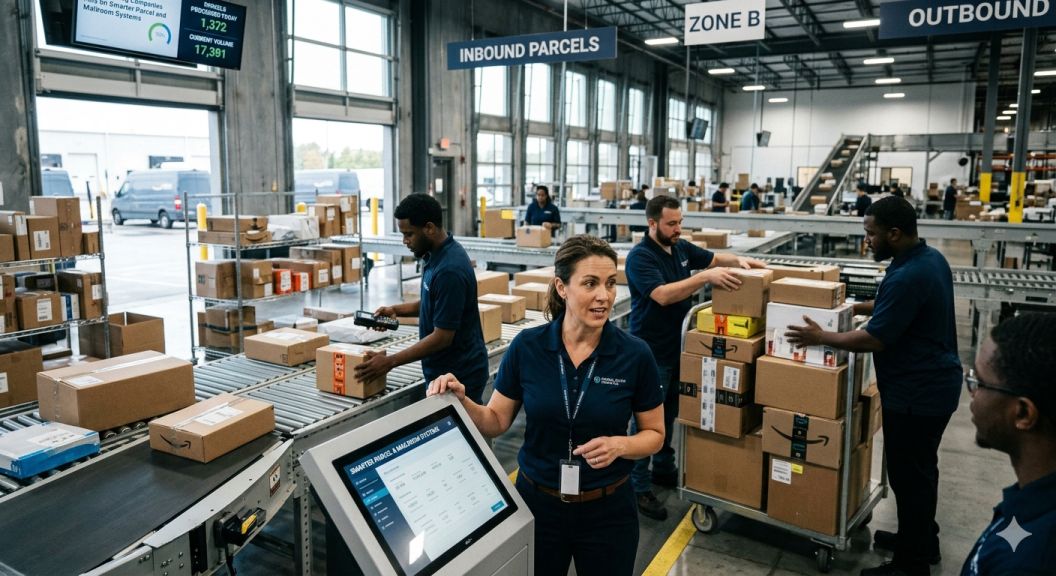
In fast-growing organizations, the volume of inbound and outbound deliveries rarely stays predictable. What starts as a manageable stream of packages quickly turns into a daily operational challenge. Without structure, visibility, and accountability, parcels get delayed, misplaced, or mishandled. That is where modern parcel management software becomes essential to maintaining control and efficiency.
The Hidden Strain of Growth
As teams expand, so do their dependencies on physical goods. Office equipment, IT hardware, customer shipments, and internal documents all pass through the same touchpoints. Many businesses still rely on manual logs or basic tracking methods, which struggle to keep pace.
Growth does not break systems overnight. It exposes the cracks that were already there.
When parcel volume increases, small inefficiencies multiply. A missing package becomes a support ticket. A delayed delivery slows down onboarding. A lack of visibility creates frustration across departments.
What Parcel Management Actually Solves
Parcel management is not just about tracking packages. It is about creating a structured workflow that ensures every item is accounted for from arrival to final delivery. A robust system centralizes data, automates notifications, and reduces reliance on manual processes.
Here is how it directly impacts operations:
| Challenge | Without a System | With Parcel Management |
| Package tracking | Manual logs, prone to error | Real-time visibility |
| Recipient notifications | Delayed or missed | Automated alerts |
| Chain of custody | Unclear responsibility | Verified handoffs |
| Reporting | Limited or nonexistent | Data-driven insights |
| Staff workload | High manual effort | Streamlined workflows |
The difference is not just operational. It affects employee experience and customer satisfaction.
Mailroom Operations Are No Longer Simple
The traditional mailroom has evolved into a central logistics hub. It handles parcels, documents, returns, and even internal asset distribution. As complexity grows, so does the need for specialized tools.
Mailroom staff often face:
- High parcel volumes during peak periods
- Multiple carriers with different processes
- Increasing expectations for speed and accuracy
- Limited visibility into package status
Relying on spreadsheets or paper logs in this environment creates bottlenecks.
A modern mailroom is not a storage space. It is a critical node in business operations.
This is where scalable mailroom management software becomes indispensable for streamlining operations and ensuring consistency across workflows.
The Business Case for Automation
Automation is not about replacing people. It is about enabling teams to focus on higher-value tasks instead of repetitive administrative work.
With the right system in place, businesses can:
- Automatically log incoming deliveries
- Capture digital signatures for accountability
- Send instant pickup notifications
- Generate reports on delivery performance
- Reduce lost or unclaimed packages
These improvements translate into measurable benefits.
| Metric | Before Implementation | After Implementation |
| Package processing time | High | Reduced significantly |
| Lost parcel incidents | Frequent | Rare |
| Employee inquiries | Constant | Minimal |
| Mailroom workload stress | High | Balanced |
Supporting Hybrid and Distributed Workforces
The rise of hybrid work models has added another layer of complexity. Employees are not always on-site to receive deliveries, which increases the risk of unclaimed packages and cluttered mailrooms.
Parcel management systems address this by:
- Notifying recipients immediately upon arrival
- Allowing flexible pickup scheduling
- Maintaining clear records of delivery status
- Supporting centralized and decentralized operations
This flexibility ensures that logistics do not become a bottleneck in modern work environments.
Data Visibility Drives Better Decisions
One of the most overlooked advantages of parcel management systems is access to data. Without insights, businesses operate reactively. With data, they can proactively optimize processes.
Key insights include:
- Peak delivery times
- Carrier performance trends
- Package volume by department
- Average pickup times
These metrics help businesses allocate resources more effectively and identify areas for improvement.
You cannot optimize what you cannot measure.
Reducing Risk and Improving Accountability
Lost packages are not just an inconvenience. They represent financial loss, security risks, and reputational damage. A structured system reduces these risks by maintaining a clear chain of custody.
Features like barcode scanning, digital logs, and recipient verification ensure that every package is tracked and accounted for.
This level of accountability is especially important for:
- High-value items
- Sensitive documents
- IT equipment and assets
Scaling Without Chaos
Growth should not mean operational chaos. Businesses that invest in the right infrastructure early can scale smoothly without constantly reacting to problems.
Parcel and mailroom systems provide that foundation by:
- Standardizing processes
- Reducing manual errors
- Improving communication
- Enhancing visibility across teams
Instead of firefighting daily issues, teams can focus on strategic priorities.
When Is the Right Time to Implement?
Many businesses wait until problems become unavoidable. By then, inefficiencies are already embedded in daily operations.
Signs that it is time to upgrade include:
- Increasing volume of packages
- Frequent delivery complaints
- Lack of tracking visibility
- Overwhelmed mailroom staff
- Growing hybrid workforce
Implementing a system early allows businesses to scale with confidence rather than scrambling to catch up.
Final Thoughts
Parcel and mailroom management are no longer background functions. They play a direct role in operational efficiency, employee satisfaction, and overall business performance.
Efficient logistics is not a luxury. It is a requirement for growth.
By adopting structured parcel management and modern mailroom practices, growing businesses can eliminate inefficiencies, reduce risk, and create a more seamless experience for everyone involved.


Healing the Whole Person: The Ultimate Guide to Dual Diagnosis Treatment at LIV Recovery Center

Do Watch Colors Match Seasons?

Choosing the Right Cavitation Machine: What Every Clinic Owner Should Know Before Buying

How to Spot a More Trustworthy Phone Tarot Service
Beware, the cult that victimized teenagers has brought its performances to Japan

How Does the FRM Exam Help Build a Career in Risk Analytics?

What Happens When You Stop Taking Ozempic For Weight Loss?

Generative Furniture Modeling Review 2026: Automating Prototyping Workflows
Why Healthcare Press Releases Need Regulatory Awareness
How to Turn Your Bahrain Registration Into a Competitive Advantage
Healing the Whole Person: The Ultimate Guide to Dual Diagnosis Treatment at LIV Recovery Center
Do Watch Colors Match Seasons?
Choosing the Right Cavitation Machine: What Every Clinic Owner Should Know Before Buying
How to Spot a More Trustworthy Phone Tarot Service
Beware, the cult that victimized teenagers has brought its performances to Japan
How Does the FRM Exam Help Build a Career in Risk Analytics?
What Happens When You Stop Taking Ozempic For Weight Loss?
Generative Furniture Modeling Review 2026: Automating Prototyping Workflows
Why Healthcare Press Releases Need Regulatory Awareness
How to Turn Your Bahrain Registration Into a Competitive Advantage

The Private World of Marina Pearl LeBlanc, Matt LeBlanc’s Only Child

What is Shoujo Ramune? The Comprehensive Guide

Who is Christina Erika Carandini Lee? Everything About Christopher Lee’s Daughter

Who is Amra Nor Jenkins? The Untold Story About Jeezy’s Daughter

The Untold Truth of William Mapel: A Deep Dive into His Personal Life

Who is Nicoletta Ruhl? Age, Family, Bio

The Rise of Ryan Nikolaos Sampras: From Humble Beginnings to Stardom

The Untold Story of Denika Kisty: Her Family, Net Worth, and More

William Givens Jensen Today: What We Know About Robin Givens’ Son

Meet Dominique Boxley: Anthony Fantano’s Mysterious and Supportive Partner
-
 Celebrity1 year ago
The Private World of Marina Pearl LeBlanc, Matt LeBlanc’s Only Child
-
 Entertainment2 years ago
What is Shoujo Ramune? The Comprehensive Guide
-
 Celebrity2 years ago
Who is Christina Erika Carandini Lee? Everything About Christopher Lee’s Daughter
-
 Life Style2 years ago
Who is Amra Nor Jenkins? The Untold Story About Jeezy’s Daughter
-
 Celebrity2 years ago
The Untold Truth of William Mapel: A Deep Dive into His Personal Life
-
 Life Style2 years ago
Who is Nicoletta Ruhl? Age, Family, Bio
-
 Celebrity2 years ago
The Rise of Ryan Nikolaos Sampras: From Humble Beginnings to Stardom
-
 Celebrity2 years ago
The Untold Story of Denika Kisty: Her Family, Net Worth, and More