Life Style
7 Essential Daily Habits for Growing Kids

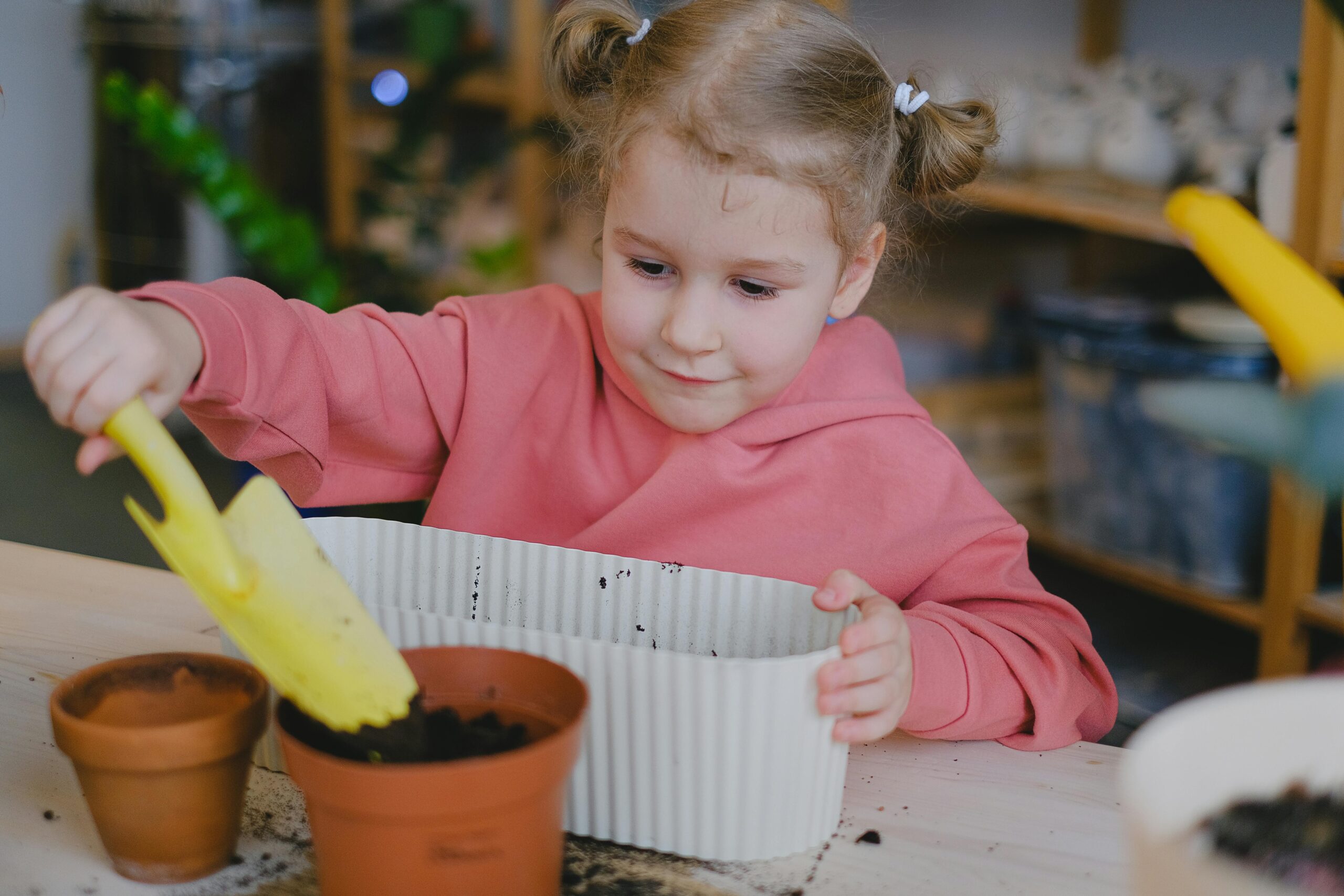
Childhood represents a crucial window for physical, mental, and emotional development. The routines established during these early years often dictate a child’s well-being well into adulthood. Consistent daily actions provide children with a sense of security while actively promoting their overall health.
Establishing a structured environment helps children thrive. When kids know what to expect, they experience lower levels of stress and anxiety. These predictable patterns also teach them responsibility, independence, and the value of self-care.
This guide highlights seven vital daily habits that support optimal growth in children. By gently integrating these practices into your family’s routine, you can provide your child with the building blocks they need for a healthy, balanced life.
1. Prioritize Nutrient-Dense Meals
Proper nutrition fuels a growing body and an active mind. Children need a balanced intake of proteins, complex carbohydrates, healthy fats, and essential vitamins to support bone growth and cognitive function. Offering a variety of colorful fruits and vegetables ensures they receive a wide spectrum of nutrients necessary for immune support.
Involving children in meal preparation can make them more enthusiastic about eating healthy foods. When they help wash vegetables or stir ingredients, they develop a positive relationship with whole foods. Consistency in offering balanced meals reduces reliance on processed snacks. Parents who model healthy eating behaviors often see their children adopt similar preferences naturally.
2. Encourage Ample Hydration
Water plays a vital role in digestion, circulation, and temperature regulation. Children frequently forget to drink water while playing, making them susceptible to mild dehydration. This can lead to fatigue, headaches, and a lack of concentration during school hours. Water also lubricates joints, allowing kids to move comfortably.
Keep a reusable water bottle easily accessible for your child throughout the day. Offering water with every meal and snack establishes a reliable hydration routine. You can also incorporate water-rich foods like watermelon, cucumbers, and oranges to help meet their daily fluid requirements. Limit sugary drinks like sodas and artificial fruit juices, as these can cause severe energy crashes.
3. Establish a Consistent Sleep Schedule
Quality sleep is non-negotiable for growing children. During deep sleep, the body releases growth hormones necessary for tissue repair and muscle development. A well-rested child also demonstrates better emotional regulation and improved attention spans at school.
Creating a calming pre-bedtime routine signals to the brain that it is time to wind down. Activities like taking a warm bath, listening to soft music, or reading a book can facilitate a smoother transition to sleep. Maintaining the same bedtime and wake time every day helps regulate their internal biological clock, making bedtime struggles far less common.
4. Make Physical Activity a Priority
Regular movement strengthens the heart, builds robust muscles, and improves coordination. Guidelines typically recommend at least one hour of moderate to vigorous physical activity daily for children. This activity does not need to happen all at once; short bursts of play throughout the day are equally effective.
Organized sports offer an avenue for exercise, but unstructured play is just as important. Building a fort, climbing a tree, or skipping rope helps develop essential gross motor skills. Encourage activities that your child genuinely enjoys, as physical play provides an excellent outlet for excess energy and helps reduce stress.
5. Maintain Excellent Oral Hygiene
A healthy mouth directly impacts a child’s overall health and self-esteem. Teaching children to brush twice a day and floss regularly prevents tooth decay and gum inflammation. Using a fluoride toothpaste strengthens the enamel and protects against painful cavities.
Good brushing and flossing habits keep smiles bright naturally. For children experiencing persistent dental discoloration from medications or specific foods, some parents explore safe professional options, such as teeth whitening in Portland, to help restore their confidence. Nevertheless, daily brushing remains the most essential defense against dental issues and sets the stage for a lifetime of healthy habits.
6. Manage and Monitor Screen Time
Excessive screen time can interfere with a child’s physical activity, sleep quality, and social development. Setting clear boundaries around the use of televisions, tablets, and smartphones encourages children to engage in more active and creative pursuits. The blue light emitted from screens can also suppress melatonin production, making it harder for children to fall asleep at night.
Designate specific screen-free zones in your home, such as the dining room and bedrooms. Establishing a strict digital curfew an hour before bed can solve many sleep-related issues. When they do use screens, prioritize high-quality, educational content over passive entertainment.
7. Foster a Daily Reading Habit
Reading stimulates brain development and significantly expands a child’s vocabulary. Children who read daily often demonstrate stronger comprehension skills and greater empathy, as books expose them to different perspectives and social situations.
Set aside a dedicated time for reading every day. Visit the local library frequently to let your child pick out their own reading material. This autonomy builds excitement and fosters a genuine love for literature. For younger children, reading aloud together strengthens family bonds and promotes language skills. Older children can benefit from a quiet reading period before bed.
Nurturing Habits for Lifelong Health
Integrating these seven habits into your child’s daily routine requires patience and consistency. Start by focusing on one or two areas at a time, gradually building upon your successes. Over time, these small daily actions will compound, providing your child with a robust foundation for long-term health and happiness. Continue to model these behaviors yourself, as children learn best by observing the adults they trust and respect.


Do Watch Colors Match Seasons?

Choosing the Right Cavitation Machine: What Every Clinic Owner Should Know Before Buying

How to Spot a More Trustworthy Phone Tarot Service
Beware, the cult that victimized teenagers has brought its performances to Japan

How Does the FRM Exam Help Build a Career in Risk Analytics?

What Happens When You Stop Taking Ozempic For Weight Loss?

Generative Furniture Modeling Review 2026: Automating Prototyping Workflows
Why Healthcare Press Releases Need Regulatory Awareness
How to Turn Your Bahrain Registration Into a Competitive Advantage

Company License in Saudi Arabia: Matching Activity for UK Firms
Do Watch Colors Match Seasons?
Choosing the Right Cavitation Machine: What Every Clinic Owner Should Know Before Buying
How to Spot a More Trustworthy Phone Tarot Service
Beware, the cult that victimized teenagers has brought its performances to Japan
How Does the FRM Exam Help Build a Career in Risk Analytics?
What Happens When You Stop Taking Ozempic For Weight Loss?
Generative Furniture Modeling Review 2026: Automating Prototyping Workflows
Why Healthcare Press Releases Need Regulatory Awareness
How to Turn Your Bahrain Registration Into a Competitive Advantage
Company License in Saudi Arabia: Matching Activity for UK Firms

The Private World of Marina Pearl LeBlanc, Matt LeBlanc’s Only Child

What is Shoujo Ramune? The Comprehensive Guide

Who is Christina Erika Carandini Lee? Everything About Christopher Lee’s Daughter

Who is Amra Nor Jenkins? The Untold Story About Jeezy’s Daughter

The Untold Truth of William Mapel: A Deep Dive into His Personal Life

The Untold Story of Denika Kisty: Her Family, Net Worth, and More

The Rise of Ryan Nikolaos Sampras: From Humble Beginnings to Stardom

Who is Nicoletta Ruhl? Age, Family, Bio

William Givens Jensen Today: What We Know About Robin Givens’ Son

Who Is Stephanie Sarkisian? All You Need To Know AboutSteve Sarkisian’s Ex-Wife
-
 Celebrity1 year ago
The Private World of Marina Pearl LeBlanc, Matt LeBlanc’s Only Child
-
 Entertainment2 years ago
What is Shoujo Ramune? The Comprehensive Guide
-
 Celebrity2 years ago
Who is Christina Erika Carandini Lee? Everything About Christopher Lee’s Daughter
-
 Life Style2 years ago
Who is Amra Nor Jenkins? The Untold Story About Jeezy’s Daughter
-
 Celebrity2 years ago
The Untold Truth of William Mapel: A Deep Dive into His Personal Life
-
 Celebrity2 years ago
The Untold Story of Denika Kisty: Her Family, Net Worth, and More
-
 Celebrity2 years ago
The Rise of Ryan Nikolaos Sampras: From Humble Beginnings to Stardom
-
 Life Style2 years ago
Who is Nicoletta Ruhl? Age, Family, Bio