Fashion
How to Build a Timeless Personal Style in a World of Fast-Changing Fashion Trends

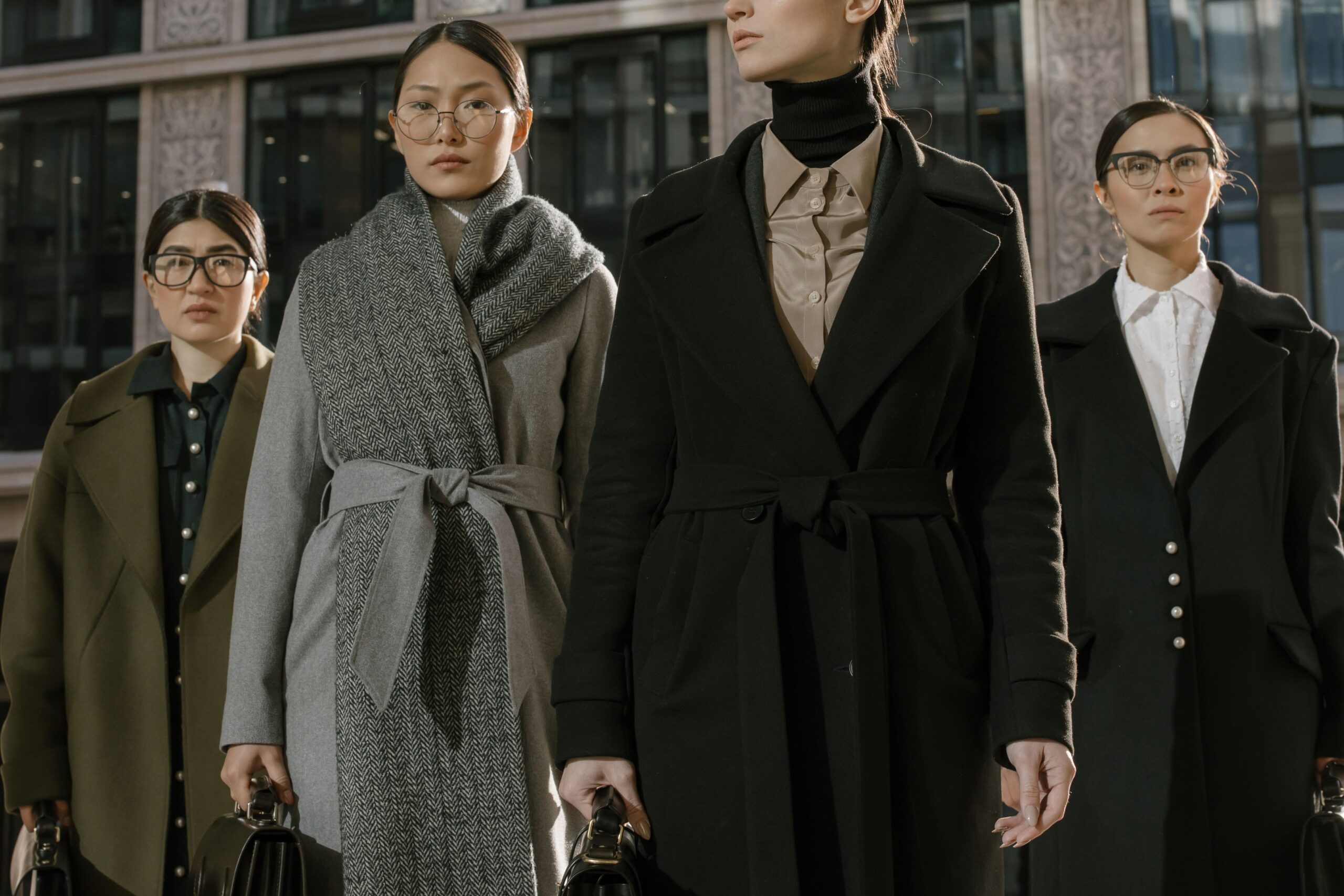
Fashion changes quickly. A silhouette that dominates social media one year can disappear the next. Colors move in and out of popularity, footwear trends change, bags become larger or smaller, and clothing proportions constantly evolve.
For consumers, this creates an interesting problem.
Following every trend can become expensive and exhausting, but completely ignoring fashion can make a wardrobe feel dated. The more practical approach is somewhere between those extremes: understanding trends while developing a personal style that remains useful beyond a single season.
Personal style is not simply about purchasing expensive clothing or owning a large wardrobe. It is about understanding which colors, proportions, materials, and accessories consistently work for your lifestyle and preferences.
Once those foundations are established, fashion becomes easier to navigate.
Personal Style Is Different From Fashion Trends
Fashion trends describe what is becoming popular across the broader market.
Personal style describes what an individual repeatedly chooses to wear.
The two can overlap, but they are not the same thing.
A trend might introduce oversized jackets, wide trousers, metallic accessories, or a particular color. Someone with a developed personal style does not necessarily reject those ideas. Instead, they decide which elements fit naturally into their existing wardrobe.
This distinction is important because trends are temporary by definition.
Personal style develops over a much longer period.
People who understand their preferences can experiment with trends without rebuilding their entire wardrobes every season.
Start by Examining What You Actually Wear
One of the easiest ways to understand personal style is to stop thinking about what you would like to wear and examine what you actually wear.
Most wardrobes contain patterns.
Perhaps you repeatedly choose straight trousers instead of skinny fits. Maybe you prefer relaxed jackets, neutral knitwear, structured bags, minimal sneakers, or simple jewelry.
These repeated choices contain useful information.
Look at the clothing worn most frequently during the previous few months.
Which pieces are easiest to combine?
Which items consistently feel comfortable?
Which outfits make you feel appropriately dressed without requiring much thought?
The answers often reveal more about personal style than a collection of inspiration photographs.
Identify Your Preferred Silhouettes
Silhouette is one of the strongest components of style.
Two outfits can use almost identical colors and materials while looking completely different because of proportion.
Someone may prefer a narrow upper body combined with wider trousers. Another person may favor oversized outerwear with straight-leg trousers. Others might consistently choose fitted jackets and more traditional proportions.
There is no universally correct silhouette.
The important thing is recognizing which proportions you enjoy wearing.
Once that is understood, shopping becomes more efficient because attractive products can be evaluated according to whether they actually fit the shapes already present in the wardrobe.
Build Around a Flexible Color Palette
Color has a major influence on wardrobe versatility.
This does not mean everyone needs to wear black, white, beige, and gray.
However, having several colors that work together makes it much easier to create outfits.
A wardrobe might be based around navy, gray, white, and brown. Another could use black, cream, olive, and burgundy. Someone who enjoys stronger colors might create an entirely different combination.
The specific palette matters less than compatibility.
If most garments can be combined with several others, the number of possible outfits increases dramatically.
Accent colors can then be introduced through knitwear, bags, shoes, scarves, or jewelry.
Understand the Difference Between Timeless and Boring
The phrase “timeless fashion” is sometimes interpreted as wearing extremely conservative clothing.
That is unnecessary.
Timelessness is usually about longevity rather than lack of personality.
A well-proportioned coat, quality knitwear, straightforward trousers, leather shoes, or a functional bag can remain relevant for years while still having distinctive details.
Even statement pieces can have longevity if they genuinely reflect the wearer’s preferences.
The real question is whether someone likes an item because it suits them or simply because it is currently receiving attention.
That distinction can prevent many unnecessary purchases.
Quality Should Be Evaluated Practically
Consumers often hear that they should “buy quality,” but quality is a broad concept.
Price alone does not establish quality.
When evaluating clothing, construction provides useful clues.
Look at stitching consistency, seam finishing, fabric behavior, hardware, lining, buttons, zippers, and how patterned sections align.
For knitwear, consider fiber composition and whether the garment is likely to retain its shape.
For outerwear, examine the lining, closures, insulation, and areas that experience repeated stress.
For bags, handles, corners, straps, stitching, edges, and hardware deserve attention.
The goal is not to become a professional product inspector. It is simply to look beyond branding and photographs.
Fabric Determines How Clothing Behaves
Material is closely connected to both appearance and longevity.
Cotton can vary enormously depending on weight and construction.
Wool can feel soft, structured, lightweight, or extremely warm depending on the fiber and weave.
Linen behaves differently from synthetic performance fabrics.
Leather changes with use and develops character over time.
Consumers who understand basic materials can make better predictions about how clothing will feel and age.
Material also affects silhouette.
A heavy fabric can hold a structured shape, while a lightweight fabric may drape around the body.
Two garments with identical measurements can therefore appear completely different.
Fit Is More Valuable Than a Familiar Size Label
Personal style becomes much easier to develop when consumers stop becoming attached to a particular size label.
An M from one manufacturer may fit like an S or L from another.
International shopping makes these differences even more noticeable.
Instead of focusing exclusively on labels, consumers can compare actual garment measurements.
Shoulder width, chest circumference, sleeve length, total length, waist, rise, thigh width, and inseam can provide much more useful information.
Keeping measurements from favorite garments makes this process even easier.
The objective is not to fit into a particular number.
The objective is to achieve the intended silhouette.
Accessories Can Create Continuity
Accessories often become signatures of personal style.
Someone might consistently wear silver jewelry.
Another person may prefer structured leather bags.
A particular style of watch, glasses, belt, or footwear can create continuity even when the clothing changes.
This is useful because personal style does not require every outfit to look identical.
Repeated details can connect different outfits visually.
Accessories are also an easy place to experiment.
A person with a mostly neutral wardrobe can introduce a stronger color through a bag or pair of shoes without changing the entire outfit.
Use Trends Selectively
Trends are not inherently negative.
They introduce new ideas and encourage experimentation.
Problems arise when consumers treat every trend as an instruction.
A better approach is to ask several questions.
Does this trend work with clothing I already own?
Would I still wear this if it disappeared from social media next month?
Does the silhouette suit my preferences?
Can I imagine at least several realistic outfits using it?
If the answer is yes, a trend can become a useful addition rather than a temporary purchase.
Online Fashion Research Has Become Part of Shopping
Modern consumers often research fashion long before making a purchase.
They compare official stores, department stores, marketplaces, resale platforms, overseas purchasing services, vintage sellers, specialist retailers, social-commerce sellers, and other channels.
This has dramatically expanded product access, particularly for consumers shopping internationally.
At the same time, it has increased the amount of information that needs to be evaluated.
Search results can contain reviews, product guides, community discussions, videos, seller information, comparison pages, and shopping resources.
In Korea, consumers exploring different areas of the fashion market may also encounter searches and guides concerning 레플리카 사이트 alongside information about conventional retail, resale, overseas purchasing, authentication, pricing, and other specialist shopping channels.
Regardless of the type of platform being researched, consumers should evaluate product information, purchasing conditions, return policies, seller transparency, and available customer support before making purchasing decisions.
Photographs Should Be Treated as Information, Not Proof
Online fashion depends heavily on photography.
High-quality photographs are useful, but they should not be the only basis for evaluating a product.
Lighting can change color.
Camera lenses can distort proportions.
Editing can alter texture.
The same garment may look different in studio lighting, natural daylight, or indoor lighting.
Consumers should therefore look for multiple photographs whenever possible.
Close-up images can help evaluate texture and construction, while photographs from different angles provide information about shape.
Video can be particularly helpful because movement reveals how a material behaves.
Learn to Distinguish Inspiration From Purchasing Intent
Social media has blurred the line between appreciating fashion and wanting to own it.
Seeing an attractive outfit does not necessarily mean every component needs to be purchased.
Sometimes the useful part of an image is simply an idea.
Perhaps the appeal comes from the color combination.
Maybe it is the proportion between a short jacket and wide trousers.
It could be the combination of casual shoes with formal clothing.
Instead of immediately searching for the exact products, consumers can identify the styling principle and reproduce it using items they already own.
This approach turns fashion content into inspiration rather than a continuous shopping list.
Consider Cost Per Wear
Purchase price provides only part of the financial picture.
A relatively expensive jacket worn 100 times may provide better practical value than an inexpensive statement piece worn twice.
This idea is commonly described as cost per wear.
It does not mean every purchase needs to be mathematically calculated.
Instead, it encourages consumers to consider realistic usage.
Where would I wear this?
How frequently?
Does it work with clothing I already own?
Will the material and construction survive regular use?
These questions can reveal whether a purchase is likely to become part of the wardrobe or remain mostly unused.
Avoid Building a Wardrobe for an Imaginary Lifestyle
Many unsuccessful purchases happen because consumers shop for situations that rarely occur.
Someone may buy formal clothing despite rarely attending formal events.
Another person may accumulate vacation clothing while traveling infrequently.
A wardrobe should primarily support real life.
Think about how time is actually spent.
Work, commuting, weekends, social occasions, travel, climate, and hobbies all influence what clothing is genuinely useful.
There is nothing wrong with owning occasional pieces, but they should not dominate a wardrobe designed for everyday life.
Climate Should Influence Style Decisions
Practical style varies by location.
A wardrobe designed for a warm climate will naturally differ from one intended for long winters.
Humidity, rainfall, temperature variation, and indoor heating all influence clothing choices.
Layering can be particularly useful in climates with significant seasonal changes.
Instead of owning completely separate wardrobes for every temperature, consumers can combine base layers, knitwear, jackets, and outerwear in different ways.
This creates flexibility without requiring excessive quantities of clothing.
Personal Style Evolves
Developing personal style does not mean choosing one aesthetic and following it forever.
Preferences change.
Lifestyle changes.
Bodies change.
Work environments change.
New designers and cultural influences introduce different ideas.
A wardrobe should be able to evolve with those changes.
The advantage of understanding personal style is not that change stops. It is that change becomes more intentional.
Consumers can identify which parts of their preferences remain consistent and which ones they want to explore.
Keep a Record of Successful Outfits
A surprisingly effective styling tool is simply taking photographs.
When an outfit works particularly well, photograph it.
Over time, these images become a personal reference library.
Patterns often emerge.
Certain trouser shapes may appear repeatedly.
Specific color combinations may consistently work.
A particular bag or pair of shoes may complement more outfits than expected.
This information can guide future purchases.
Instead of relying entirely on memory, consumers can see which items actually contribute to their wardrobes.
Remove Items That Consistently Do Not Work
Personal style is influenced not only by what is added but also by what is removed.
If an item repeatedly feels uncomfortable, difficult to combine, or inappropriate for everyday life, keeping it does not make the wardrobe more versatile.
Reviewing unused clothing can reveal purchasing mistakes.
Perhaps the color was difficult to coordinate.
Maybe the fit was wrong.
The material might require too much maintenance.
Understanding why an item failed is useful because it can prevent the same mistake from being repeated.
Brand Recognition Is Not the Same as Personal Style
Brands can communicate history, craftsmanship, cultural associations, and design identity.
However, simply wearing recognizable products does not automatically create personal style.
Style emerges from selection and combination.
A relatively inexpensive garment that fits perfectly and works naturally with someone’s wardrobe may contribute more to their appearance than a prestigious product that does not suit them.
Brand should therefore be one factor among many.
Fit, proportion, material, color, construction, usefulness, and personal preference remain important regardless of the label.
Build Slowly Instead of Trying to Finish a Wardrobe
A wardrobe does not need to be completed.
In fact, attempting to build an entire wardrobe quickly often leads to unnecessary purchases.
Personal preferences become clearer through experience.
Buying slowly allows consumers to identify genuine gaps.
Perhaps after several months it becomes obvious that a versatile pair of dark trousers would be useful.
Maybe a particular type of outerwear would solve repeated styling problems.
Purchasing in response to these observed needs is generally more effective than buying large quantities based on a theoretical checklist.
Confidence Comes From Familiarity
One reason people with recognizable personal style appear confident is familiarity.
They understand what works for them.
They know which proportions they prefer, which colors combine easily, and which types of accessories feel natural.
This reduces uncertainty.
Getting dressed becomes less about following rules and more about selecting from combinations that have already proven successful.
That confidence cannot always be purchased immediately.
It develops through repeated experience.
A Useful Wardrobe Is a Connected System
Individual products are easy to evaluate in isolation.
A beautiful jacket can seem irresistible on its own.
The more important question is how it connects with everything else.
Can it be worn with several pairs of trousers?
Does it work with existing shoes?
Can it be layered?
Does its color coordinate with commonly worn accessories?
Thinking of a wardrobe as a connected system changes the way purchases are evaluated.
Each new item should ideally create several additional combinations rather than only one new outfit.
Final Thoughts
Building personal style in a fast-moving fashion environment does not require ignoring trends or constantly purchasing new products.
It requires knowing the difference between inspiration and genuine preference.
The process begins with observation.
Look at the clothes that are actually worn. Identify preferred silhouettes. Understand which colors work together. Learn basic measurements and materials. Notice which accessories repeatedly improve outfits.
Then use trends selectively.
Some will fit naturally into an existing wardrobe and remain useful long after their peak popularity. Others can simply remain interesting ideas that do not need to become purchases.
The strongest wardrobes are rarely built in a single shopping trip.
They develop gradually as people learn what fits their bodies, lifestyles, climates, and preferences.
Fashion will continue to change.
Personal style can change too.
The difference is that personal style changes deliberately rather than automatically following whatever happens to be popular at the moment.
That makes getting dressed easier, shopping more focused, and a wardrobe significantly more useful over time.


How to Build a Timeless Personal Style in a World of Fast-Changing Fashion Trends

Healing the Whole Person: The Ultimate Guide to Dual Diagnosis Treatment at LIV Recovery Center

Do Watch Colors Match Seasons?

Choosing the Right Cavitation Machine: What Every Clinic Owner Should Know Before Buying

How to Spot a More Trustworthy Phone Tarot Service
Beware, the cult that victimized teenagers has brought its performances to Japan

How Does the FRM Exam Help Build a Career in Risk Analytics?

What Happens When You Stop Taking Ozempic For Weight Loss?

Generative Furniture Modeling Review 2026: Automating Prototyping Workflows
Why Healthcare Press Releases Need Regulatory Awareness
How to Build a Timeless Personal Style in a World of Fast-Changing Fashion Trends
Healing the Whole Person: The Ultimate Guide to Dual Diagnosis Treatment at LIV Recovery Center
Do Watch Colors Match Seasons?
Choosing the Right Cavitation Machine: What Every Clinic Owner Should Know Before Buying
How to Spot a More Trustworthy Phone Tarot Service
Beware, the cult that victimized teenagers has brought its performances to Japan
How Does the FRM Exam Help Build a Career in Risk Analytics?
What Happens When You Stop Taking Ozempic For Weight Loss?
Generative Furniture Modeling Review 2026: Automating Prototyping Workflows
Why Healthcare Press Releases Need Regulatory Awareness

The Private World of Marina Pearl LeBlanc, Matt LeBlanc’s Only Child

What is Shoujo Ramune? The Comprehensive Guide

Who is Christina Erika Carandini Lee? Everything About Christopher Lee’s Daughter

Who is Amra Nor Jenkins? The Untold Story About Jeezy’s Daughter

The Untold Truth of William Mapel: A Deep Dive into His Personal Life

Who is Nicoletta Ruhl? Age, Family, Bio

The Rise of Ryan Nikolaos Sampras: From Humble Beginnings to Stardom

The Untold Story of Denika Kisty: Her Family, Net Worth, and More

William Givens Jensen Today: What We Know About Robin Givens’ Son

Meet Dominique Boxley: Anthony Fantano’s Mysterious and Supportive Partner
-
 Celebrity1 year ago
The Private World of Marina Pearl LeBlanc, Matt LeBlanc’s Only Child
-
 Entertainment2 years ago
What is Shoujo Ramune? The Comprehensive Guide
-
 Celebrity2 years ago
Who is Christina Erika Carandini Lee? Everything About Christopher Lee’s Daughter
-
 Life Style2 years ago
Who is Amra Nor Jenkins? The Untold Story About Jeezy’s Daughter
-
 Celebrity2 years ago
The Untold Truth of William Mapel: A Deep Dive into His Personal Life
-
 Life Style2 years ago
Who is Nicoletta Ruhl? Age, Family, Bio
-
 Celebrity2 years ago
The Rise of Ryan Nikolaos Sampras: From Humble Beginnings to Stardom
-
 Celebrity2 years ago
The Untold Story of Denika Kisty: Her Family, Net Worth, and More